As an Amazon Associate I earn from qualifying purchases. This page may contain affiliate links.
Charging a car battery overnight is one of the easiest ways to recover a weak battery, but it only works safely if you match the charger to the battery and set it up correctly. This guide walks you through choosing the right settings, preparing the battery, connecting the charger in the right order, and deciding when an overnight charge is the wrong tool. By the end, you will know how to run a car battery charger overnight without overheating the battery or leaving the garage with a sulfated, dead pack in the morning.
When an Overnight Charge Makes Sense
An overnight charge suits a battery that has been drained by a forgotten dome light, a few weeks of sitting, or a cold snap that left it under-charged. It is a poor fit for a battery that has failed outright, one that swells or smells like rotten eggs, or one that will not hold a charge after a full cycle. If the battery is more than four or five years old and dies repeatedly, the cause may be age rather than a dead cell, and a longer charge will not fix that. For the broader picture of why batteries drain, see Car Battery Keeps Dying? Common Causes and What to Check.
Shopping for one? See our guide: 12V Car Battery Charger Review (2026): Pros, Cons & Who Should Buy.
What You Need Before You Start
Gather the basics before you connect anything. You need a charger with a battery-type setting, safety glasses, insulated gloves, a wire brush for the terminals, and a clean, ventilated space. Check that the charger’s output matches your battery voltage, which for nearly all passenger cars is 12 volts.
- Charger rated for 12V automotive batteries, ideally with a maintenance or float mode
- Safety glasses and nitrile or insulated gloves
- Wire terminal brush and a baking soda and water solution for corrosion
- A multimeter to check resting voltage before and after
- A flat, dry surface away from open flames, sparks and children
Choosing the Right Charger Settings
Most of the problems people have with overnight charging come from wrong settings rather than a bad charger. Look at the battery label to confirm its type, then set the charger to match.
Battery Type
Flooded lead-acid batteries are the most common. AGM and gel batteries need a different voltage profile, and many modern cars use AGM, especially with start-stop systems. Using a flooded setting on an AGM battery can undercharge it, and the reverse can overcharge it. If your charger has an AGM setting, use it for AGM batteries.
Amperage
For overnight use, a lower amperage is generally safer. Many manufacturers of chargers recommend a 2 amp setting for slow charging over many hours. Higher settings, such as 10 or 15 amps, shorten the time but generate more heat. Reserve high amperage for a fast top-up when you are watching the battery.
Maintenance and Float Mode
If the charger has a float or maintenance mode, use it once the battery reaches full charge. This keeps the battery topped up without overcharging. A charger without this feature should be disconnected or switched off once the battery is full, or the battery will be cooked by morning.
Step-by-Step: Connecting and Running the Charger
- Turn off the vehicle, remove the key, and close all doors so no dome light or accessory draws current.
- Check the battery case for cracks, bulging or leaks. If any are present, stop and have the battery inspected.
- Clean the terminals with the wire brush and baking soda solution if you see white or green buildup. Rinse with clean water and dry.
- Set the charger to the correct battery type and a low amperage, typically 2 amps for an overnight run.
- Connect the red clamp to the positive terminal first, then the black clamp to a bare metal ground point on the engine block or chassis, away from the battery.
- Plug in the charger and confirm the display shows charging. Some chargers take a moment to detect the battery.
- Check the battery after one or two hours. It should feel warm at most, never hot to the touch.
- Once the charger shows full or switches to float, you may leave it on or disconnect it.
Why the Ground Clamp Goes on the Chassis
Connecting the final clamp to the chassis rather than the negative terminal keeps any spark away from the battery, where hydrogen gas can build up while charging. This is a standard precaution recommended in most charger manuals.
Checking Resting Voltage
A fully charged 12-volt battery usually reads about 12.6 volts or higher at rest, after it has sat for a few hours. A reading around 12.4 volts suggests a charge of roughly three-quarters. Below 12.0 volts means the battery is deeply discharged and may need a longer charge or replacement. Use a multimeter to check before disconnecting.
Timing, Heat and Battery Health
How long the charge takes depends on how discharged the battery is, its capacity in amp-hours, and the charger’s output. As a rough guide, a 2-amp charge on a moderately flat battery can take many hours, so an overnight window of eight to twelve hours is typical. Do not assume a timer will stop the charge correctly; use a charger with automatic shutoff or float mode whenever possible.
Heat is the main risk. A battery that gets noticeably hot while charging is either overcharging or has an internal fault. Unplug it, let it cool, and test it before trying again. Never charge a frozen battery, as it can crack or leak. Let it warm to above freezing before connecting.
Common Mistakes to Avoid
- Using a high amperage setting overnight, which overheats the battery
- Choosing a flooded setting for an AGM battery
- Connecting the negative clamp to the battery terminal instead of a ground point
- Reversing the polarity, which can damage the charger and the car’s electronics
- Leaving the charger running indefinitely without float mode
- Ignoring a battery that will not hold charge after a full cycle
Tips for Better Results
- Charge in a space where a little heat and gas can escape safely
- Keep the charger’s cables untangled and away from moving parts
- If you charge often, a maintainer suits the job better than a standard charger; see Car Battery Maintainers, Trickle Chargers and Smart Chargers
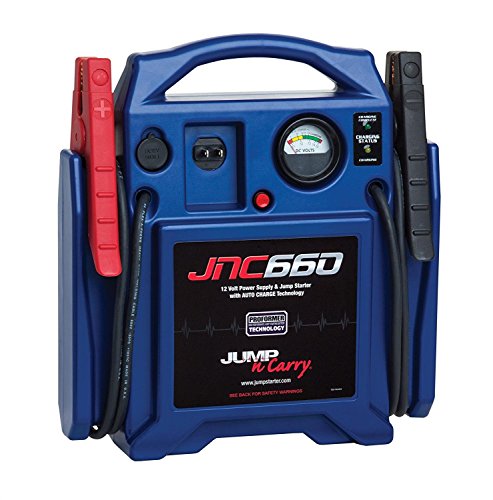
- For a quick jump rather than a full charge, a portable pack may be more practical; compare options in 8 Best Car Battery Jump Starters of 2026: Expert Picks for Every Need
- Keep a basic emergency kit in the car so a dead battery on the road is not a crisis; see Roadside Emergency Kit Checklist: What to Keep in Your Car
Recommended gear
A smart charger with a float mode is the most useful tool for an overnight job, since it stops the charge automatically once the battery is full. Look for a model that lists a 12V automotive setting and separate battery type selection.
- Smart battery charger with float mode: automatically moves to maintenance once full, reducing the risk of overcharging overnight. View on Amazon
- Battery charger with AGM setting: useful if your car uses an AGM battery, which needs a different voltage profile. View on Amazon
- Digital multimeter: lets you check resting voltage before and after charging. View on Amazon
- Battery terminal cleaning brush: clears corrosion so the clamps make solid contact. View on Amazon
FAQ
Is it safe to leave a car battery charger on overnight?
It is safe if the charger has automatic shutoff or float mode and you use a low amperage setting. Chargers without these features can overcharge the battery, so check the battery for heat during the charge and disconnect it once it is full.
How many amps should I use for an overnight charge?
A low setting, commonly around 2 amps, is the usual recommendation for overnight charging. Higher settings can overheat the battery if left unattended for many hours.
How long does it take to charge a dead car battery overnight?
It depends on how discharged the battery is and its capacity. A deeply flat battery may need longer than one night at a low amperage, while a moderately low battery often reaches full in eight to twelve hours.
Can I charge a battery while it is still in the car?
Yes, but turn off the engine and all accessories, and connect the final clamp to a metal ground point away from the battery. Disconnecting the battery first is sometimes recommended for modern cars with sensitive electronics, so check your owner’s manual.
What voltage should a charged car battery read?
A fully charged 12-volt battery typically reads about 12.6 volts or higher at rest. Readings below 12.0 volts indicate a deep discharge that may need more charging or replacement.
Why does my battery get hot while charging?
Heat usually means overcharging, a wrong setting, or an internal fault. Disconnect the charger, let the battery cool, and have it tested before trying again.
Can I charge a frozen car battery?
No. Charging a frozen battery can cause it to crack or leak. Bring it to a temperature above freezing before connecting the charger.
When should I replace the battery instead of charging it?
Replace the battery if it will not hold a charge after a full cycle, shows a swollen or cracked case, or is several years old and keeps failing. For a battery that is simply flat, a charge is usually enough. If you are unsure, a professional battery test at an auto parts store or repair shop can confirm its condition.
Conclusion
An overnight car battery charger works well when you match the battery type, use a low amperage, and rely on float mode or automatic shutoff. Check the battery for heat, confirm the resting voltage afterward, and treat repeated failures as a sign of age or a fault rather than a reason to charge longer. For a battery that is flat but healthy, a careful overnight charge is often all it needs. If the battery keeps failing, consult a qualified mechanic or battery specialist.