Car detailing brushes are specialized tools designed to clean tight, delicate, or textured surfaces that a standard sponge or towel cannot reach. Whether you are working on air vents, emblem badges, wheel lug nuts, or fabric upholstery, using the right brush helps remove dirt without scratching or damaging the surface. This guide covers the main types of detailing brushes, which features matter most, and how to care for them so they last through many washes.
Main Types of Detailing Brushes and How They Differ
Detailing brushes vary primarily by bristle stiffness, shape, and intended surface. Choosing the wrong stiffness for a surface is a common source of swirl marks and scratches. The sections below break down the most useful categories for vents, badges, wheels, and upholstery.
Soft Brushes for Vents and Badges
Vents and badges are often surrounded by painted or chrome-finished surfaces. Soft bristles, whether natural boar hair or a fine synthetic like nylon or polyester, are ideal here. The softness allows you to agitate dust and light grime from crevices without marring the adjacent clear coat or chrome. Boar-hair brushes are naturally soft and static-reducing, which helps prevent dust from clinging to the bristles. High-quality synthetic soft brushes are also widely available and tend to dry faster than natural hair. Look for brushes with a narrow, pointed tip or an angled shape to reach into the slats of dashboard vents and around the raised edges of emblem badges.
Stiffer Brushes for Carpets and Floor Mats
Carpet and floor mat fibers trap coarse dirt, sand, and salt that soft brushes cannot dislodge. Stiffer brushes with dense, medium-to-firm synthetic bristles are better suited here. A brush with a comfortable handle and a slightly curved or rectangular head gives you good leverage to scrub embedded debris. For rubber or all-weather floor mats, you can use a stiffer brush safely, but check the manufacturer’s recommendation for your specific mat material to avoid damaging textured surfaces. Always test a small hidden area first when using a stiffer brush on any interior surface.
Upholstery Brushes
Fabric upholstery requires a brush that is firm enough to lift dirt from the weave but gentle enough not to fray the fibers. Look for brushes labeled for upholstery use, which typically feature medium-stiffness synthetic bristles arranged in a wide, flat head. The broader face distributes pressure evenly, reducing the risk of over-scrubbing a single spot. Some upholstery brushes have a slight angle on the handle to make reaching seat crevices and side bolsters easier. For leather upholstery, you must use only soft brushes and mild cleaners, as stiff bristles can abrade the leather finish.
Wheel and Lug Nut Brushes
Wheels accumulate brake dust, road grime, and tar in areas that are difficult to access with a mitt. Wheel brushes come in several forms: a larger barrel brush with long, soft-to-medium bristles for cleaning the face of the wheel, and a smaller, narrower brush for lug nuts and the spaces between spokes. Some wheel brushes have a slight bend in the handle to improve reach. Bristle stiffness here should be matched to the wheel finish. Painted, clear-coated, or polished wheels call for soft bristles. Uncoated raw metal wheels, such as some aftermarket aluminum options, can tolerate a medium-stiff brush, but you should check the wheel manufacturer’s care instructions. A separate brush dedicated to wheels prevents transferring brake dust or road tar to paint surfaces. For more guidance on the overall washing process, see how to wash a car at home.
Drill Brushes
Drill brushes are attachments that connect to a standard power drill, allowing you to scrub carpets and floor mats with rapid rotation. They are effective for loosening heavy dirt and stains on durable loop-pile or cut-pile carpet fibers. However, you must never use a drill brush on leather upholstery, delicate fabric, or any surface with a thin or fragile coating. The rotational speed and pressure can damage these materials. Even on carpets, use the lowest speed setting on your drill and keep the brush moving to avoid concentrating friction in one area. Always test on an inconspicuous spot first. Follow the drill brush manufacturer’s instructions for attachment and speed limits.
Features That Actually Matter
Not all detailing brushes are built to the same standard. A few specific features determine whether a brush will clean effectively without causing damage.
Bristle Material
Natural boar hair is soft, fine, and naturally anti-static, making it a top choice for delicate surfaces like painted trim and vents. Synthetic bristles, such as nylon or polyester, offer greater durability, faster drying, and resistance to chemicals. The choice between natural and synthetic often comes down to the surface being cleaned. For paint-safe tasks, natural hair is preferred. For harsh cleaners or frequent wet use, synthetic is more practical.
Metal-Free Ferrules
The ferrule is the metal band that holds the bristles in place on the handle. On many brushes, this ferrule is made of nickel-plated brass or steel. If the ferrule is not recessed or covered, it can accidentally contact the paint or chrome and leave a scratch. Metal-free ferrules, typically made from plastic or resin, eliminate this risk entirely. Some brushes use a crimped plastic collar instead of a metal band. For any brush that will be used near painted surfaces, look for a metal-free or fully covered ferrule design.
Handle Design and Grip
A brush that is uncomfortable to hold will make your detailing session harder and less precise. Handles with a rubberized or textured grip reduce hand fatigue and give you better control when cleaning lug nuts or tight vent slats. Ergonomic curves that match the natural grip of your hand allow you to apply consistent pressure without straining. For brushes used inside the vehicle, a longer handle can help you reach deep into floor wells or across the dashboard.
Brush Shape and Size
The shape of the brush head should match the geometry of the area you are cleaning. Small, pointed or cone-shaped brushes are suited for vents and badge crevices. Wide, flat brushes work well on upholstery and floor mats. Curved or angled brushes help you clean around wheel spokes and lug nuts. Having a set of brushes in different sizes gives you the flexibility to tackle each job without forcing a mismatched tool into a delicate space.
Keeping Interior and Exterior Brushes Separate
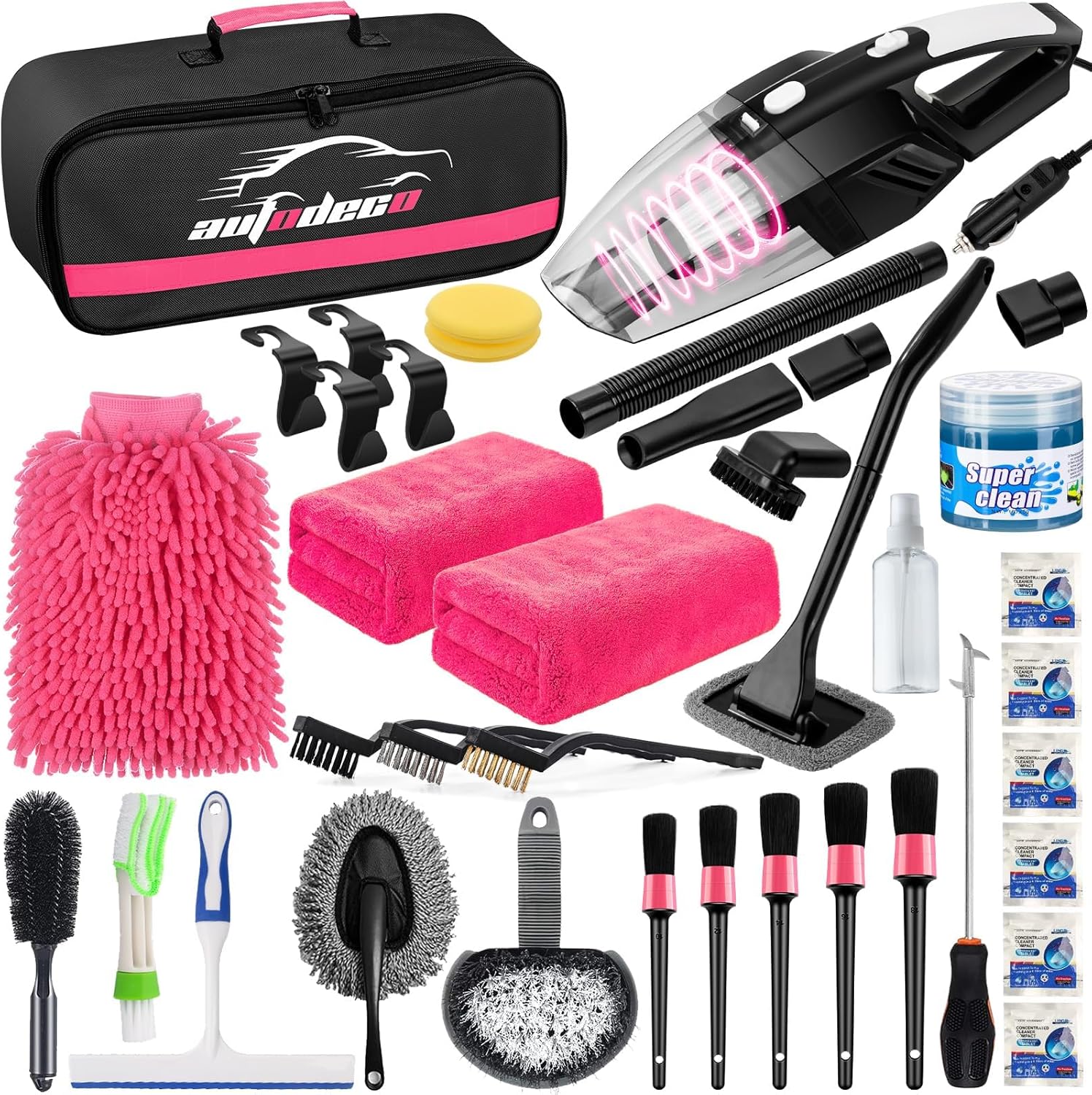
Cross-contamination is one of the easiest mistakes to make with detailing brushes. Brushes used on wheels collect abrasive brake dust, tar, and road grime. If you then use that same brush on interior vents or upholstery, you risk embedding those harsh particles into soft surfaces and potentially scratching painted trim. Similarly, a brush used on floor mats can pick up salt and sand that could damage dashboard plastic or leather. Designate specific brushes for interior use only and separate brushes for wheels and exterior trim. Mark the handles with tape or a label so you can quickly grab the right one. This practice also extends the life of the brushes by preventing premature wear from harsh contaminants. For more information on building a complete detailing kit, see the detailing brushes section.
Common Buying Mistakes
Several pitfalls are easy to make when selecting detailing brushes. One of the most frequent is buying a brush that is too stiff for the intended surface. A brush that feels medium or firm in your hand can easily scratch clear coat or soft plastic if the bristle tips are not rounded or flagged. Another common mistake is overlooking the ferrule design. A metal ferrule that contacts the paint during use will leave a scratch every time. Cheap brushes with poorly glued bristles can shed during use, leaving fibers behind in vents or on upholstery. Finally, buying a single brush for all tasks forces compromises. A set of two or three brushes with different bristle stiffness levels and shapes gives you much better results for the variety of surfaces inside and outside the vehicle. For a deeper look at the full car care process, visit car care and detailing.
How to Clean and Maintain Your Detailing Brushes
Keeping your brushes clean is essential to prevent dirt and cleaner residues from being redeposited during the next use. After each detailing session, rinse the brush under warm water to remove loose debris. For synthetic brushes, you can use a mild soap or brush cleaner to break down grease and stubborn grime. Work the soap through the bristles with your fingers, then rinse thoroughly. Boar-hair brushes should be cleaned gently with a mild soap; avoid soaking the ferrule area excessively, as water can weaken the glue that holds the bristles. After washing, shake off excess water and reshape the bristles with your fingers. Lay the brushes flat on a towel to dry, or hang them with the bristles pointing downward. Storing brushes bristle-up in a container can trap moisture and lead to mold or bristle deformation. Avoid using harsh solvents or bleach on any brush as these can damage both natural and synthetic bristles. For drying delicate surfaces after brushing, microfiber towels for cars are a good companion tool to have on hand.
FAQ
Can you use the same brush for wheels and paint?
It is not recommended. Wheel brushes collect brake dust, which contains fine metal particles that can scratch clear coat and paint. Designate separate brushes for wheels and for painted surfaces to avoid contamination.
Are drill brushes safe for leather seats?
No. Drill brushes rotate at high speed and can abrade, tear, or permanently mark leather upholstery. Use them only on durable carpet fibers and rubber floor mats. For leather, use a soft brush by hand with a cleaner specifically for leather.
How do you clean detailing brushes after use?
Rinse immediately after use with warm water. For synthetic brushes, use a mild soap and work it through the bristles. For natural boar-hair brushes, use a gentle cleaner and do not soak the ferrule. Reshape the bristles and dry flat or hanging bristles-down.
Do you need metal-free ferrules on detailing brushes?
For any brush that will be used on or near painted surfaces, yes. Exposed metal ferrules can scratch clear coat, chrome, and polished trim. Look for brushes with plastic or resin ferrules, or designs where the ferrule is fully recessed or covered.
Choosing the right detailing brushes for vents, badges, wheels, and upholstery comes down to matching bristle stiffness, ferrule design, and brush shape to each specific surface. Keeping interior and exterior brushes separate prevents cross-contamination, and regular cleaning extends the life of the brushes. With a small set of well-chosen brushes, you can clean the tight spaces on your car thoroughly without risking scratches or damage.