Cleaning your car’s interior effectively requires more than a single rag and a spray bottle. The right tools — from vacuum attachments and upholstery brushes to spot extractors, steam cleaners, and pet hair removers — make the job faster and protect delicate surfaces like screens and leather. This guide covers the main categories of interior cleaning tools and how to use them safely.
Core Tool Categories
Vacuum Attachments
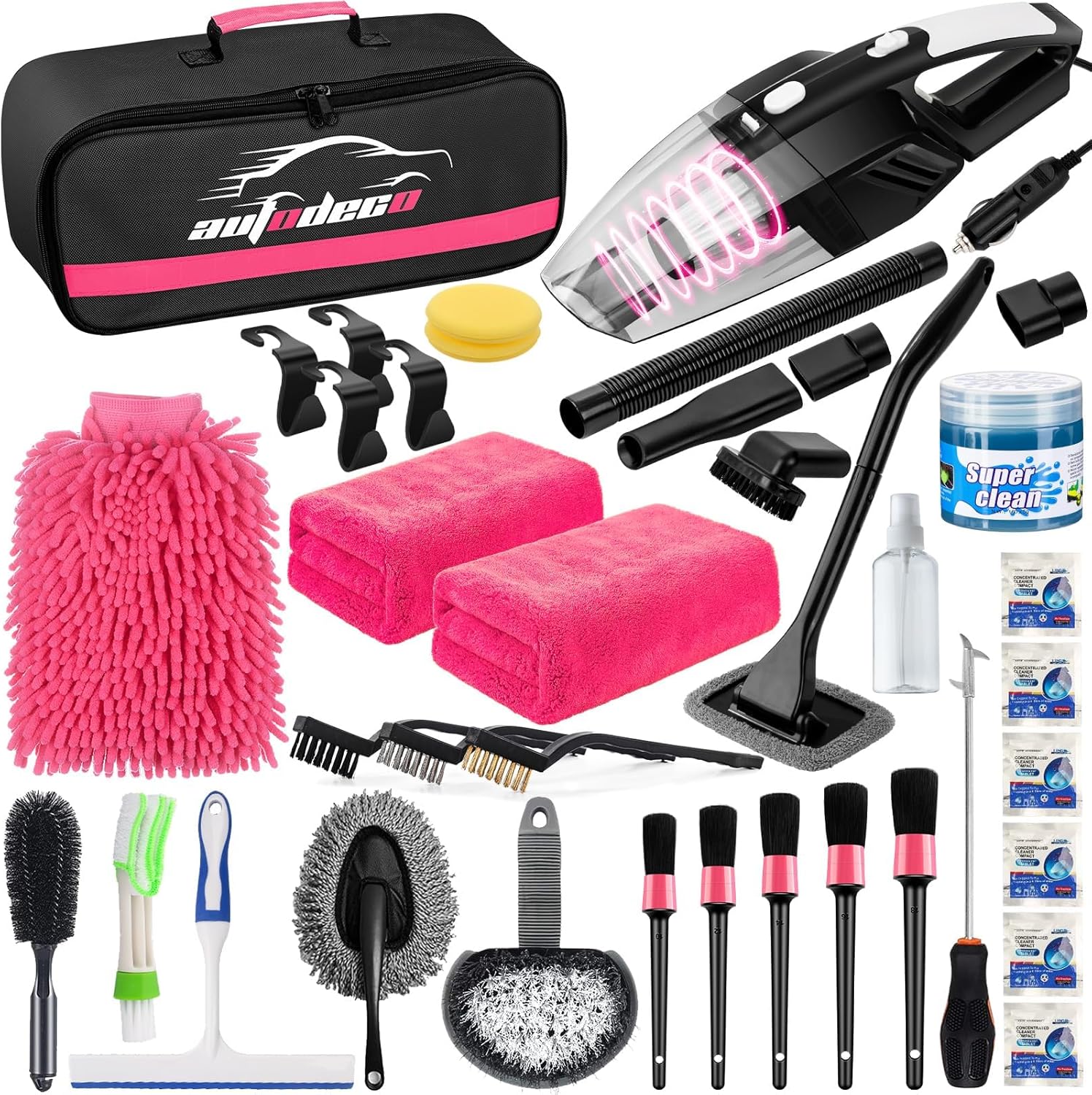
A good vacuum is the foundation of interior cleaning, but its attachments determine how thorough you can be. Crevice tools reach between seats and into tight gaps. Soft-bristle brush attachments are safe for vents, dashboard crevices, and delicate trim. Turbo brushes with rotating bristles agitate carpet fibers and pull out embedded dirt and pet hair. Many attachments are designed to fit standard vacuum hoses, but it is wise to check compatibility with your specific vacuum model before purchasing. For pet hair, a rubber-edged attachment helps lift hair from fabric without scratching surfaces.
Upholstery Brushes
Brushes with stiff bristles work well on carpeted floor mats and heavy fabric seats, helping to loosen ground-in grime before vacuuming. Softer brushes are better for delicate upholstery, such as microfiber or woven seat materials. Always use a brush with moderate pressure to avoid fraying threads or pushing dirt deeper. Upholstery brushes can be used with a fabric cleaner — spray lightly, agitate, then vacuum. Avoid using stiff brushes on leather or vinyl, as they can cause scratches or wear.
Spot Extractors for Fabric Seats
Spot extractors (also called portable carpet cleaners) spray a mixture of water and cleaning solution into fabric, then immediately vacuum it back up. They are ideal for treating stains, spills, and high-traffic areas on seats and carpets. Because extractors leave the fabric damp, proper drying is critical to prevent mildew. After extraction, open the doors and windows and allow the interior to air out fully. Always follow the machine manufacturer’s instructions for solution ratios and cleaning technique. Test any cleaning fluid on a hidden area of fabric first to check for colorfastness and compatibility.
Steam Cleaners
Steam cleaners use high-temperature vapor to dissolve grease, kill bacteria, and lift stains without harsh chemicals. They can be effective on floor mats, carpets, and fabric seats when used carefully. However, steam poses risks to several interior surfaces. Direct steam can damage leather by drying it out or causing cracking. The heat may loosen adhesives on headliners and warp electronic displays or dashboard screens. Never direct steam at touchscreens, instrument clusters, or audio equipment. For general fabric cleaning, use the lowest steam setting and avoid saturating the material. After steam cleaning, ventilate the vehicle thoroughly and allow everything to dry before closing it up.
Pet Hair Rubber Tools
Rubber pet hair tools, often shaped like squeegees or round brushes, use static and friction to gather hair from fabric, carpet, and even rubber floor mats. They work by pushing hair into clumps that you can then pick up by hand or vacuum. These tools are gentler than metal combs and less likely to damage upholstery. For best results, vacuum the seat first to remove loose debris, then use the rubber tool in overlapping strokes, and finish with a final vacuum pass. Some rubber tools are also effective on pet hair trapped in carpet fibers that ordinary vacuum brushes miss.
Glass Cleaning Tools
For streak-free windows and mirrors, a dedicated glass cleaning tool such as a microfiber glass towel or a squeegee is essential. Use a cleaner formulated for automotive glass — avoid household glass cleaners that may contain ammonia, which can damage factory-tinted window films. Check with your tint installer or the film manufacturer for approved cleaners. Wipe the glass in one direction (horizontal on the outside, vertical on the inside) to help you identify streaks. A squeegee with a rubber blade can remove cleaner quickly, but be careful on curved windshields to avoid scratching.
Microfiber Towels for Screens
Touchscreens, gauges, and infotainment displays require special care because they are prone to scratches and can be damaged by harsh chemicals. Use only clean, soft microfiber towels designed for screens — these are typically high-GSM (grams per square meter) and lint-free. Lightly dampen the towel with water or a screen‑safe cleaner (one labeled for electronics) and wring it out so it is barely moist. Never spray liquid directly onto a screen; moisture can seep into edges and damage the display. Wipe gently without pressing hard. For more on choosing the right cloth, see our guide on microfiber towels for cars.
Important Safety and Technique Tips
Test Cleaners on Hidden Spots
Even products labeled “safe for automotive interiors” can react unpredictably with certain dyes, coatings, or materials. Before using any cleaner on visible upholstery, carpet, or leather, apply a small amount to a hidden area — under a seat, behind a panel, or on a section of carpet that will be covered by a mat. Wait several minutes to see if any color change, bleeding, or damage occurs. This simple step can prevent costly mistakes.
Ventilation and Drying Time
Moisture left inside a vehicle after cleaning can lead to musty odors and mildew growth, especially under seats and in carpet padding. After using an extractor, steam cleaner, or wet cleaning method, ventilate the car as much as possible. Open all doors and windows, and if you can, park in a shaded spot with the windows cracked. A portable fan placed inside helps circulate air. Do not close the car windows or park it in direct sunlight until the fabric and carpet feel completely dry to the touch. This may take several hours depending on humidity and temperature. If you cleaned headliners or thick carpet padding, extra precautions are warranted — see the car care and detailing section for more detailed drying advice.
Caution with Leather, Electronics, Headliners, and Screens
Leather seats should be cleaned with a dedicated pH‑balanced leather cleaner and conditioned afterward. Avoid steam, strong detergents, and stiff brushes. Electronics, including infotainment screens and climate controls, are vulnerable to moisture. Use only a slightly damp microfiber cloth and never direct spray. Headliners are easily sagged if saturated; clean them with a gentle upholstery cleaner applied to a cloth, not directly to the fabric, and blot rather than scrub. For all these surfaces, refer to your vehicle owner’s manual for the manufacturer’s cleaning recommendations.
Features That Actually Matter
When choosing tools, focus on the features that affect safety and results rather than flashy extras. The table below summarizes key considerations.
| Tool Type | Key Feature to Look For | Caution |
|---|---|---|
| Vacuum Attachments | Turbo brush for pet hair; soft brush for vents | Verify fit with your vacuum hose size |
| Upholstery Brushes | Bristle stiffness suited to your fabric | Avoid on leather and vinyl |
| Spot Extractor | Adequate water pressure and strong suction; compare spec sheets | Empty and rinse tank after every use to prevent mold |
| Steam Cleaner | Adjustable steam output levels | Do not use on leather, electronics, headliners, or screens |
| Pet Hair Tool | Rubber or silicone bristles | Test on a small area to ensure it does not snag fabric |
| Microfiber Towels | High GSM and lint‑free construction | Use separate towels for screens and glass to avoid cross‑contamination |
| Glass Cleaning Tools | Squeegee with a soft rubber blade | Check tint warranty; ammonia‑free cleaner only |
Common Buying Mistakes
One frequent mistake is choosing a steam cleaner without adjustable steam output, which can make it unsafe for sensitive interior parts. Another is buying a brush that is too stiff for your seat material, leading to scratches or worn fabric. For vacuum attachments, assuming universal fit can be costly — always measure or check compatibility with your vacuum brand. Some people overlook the importance of drying time: a spot extractor that leaves carpets wet may require many hours of ventilation, which is impractical for daily drivers. Pet hair tools vary widely in effectiveness; a rubber squeegee works well on low-pile fabric but may not grab hair from thick carpet as effectively as a brush with rubber nubs. Finally, ignoring the need to test cleaners on hidden areas can result in permanent stains or bleaching. Always confirm compatibility before a full application.
Care and Upkeep of Your Tools
Proper maintenance extends the life of your cleaning equipment and prevents contamination during future use. After each session, rinse extractor tanks thoroughly and allow them to air dry. Brush heads and rubber pet hair tools should be cleaned of trapped hair and debris; a small comb or another brush helps. Microfiber towels should be washed separately from cotton items and without fabric softener, which clogs the fibers. Air dry or tumble dry on low heat. For steam cleaners, descaling may be needed if you use tap water — follow the manufacturer’s descaling schedule. Store all tools in a dry, clean area away from direct sunlight to prevent rubber parts from degrading. For more on selecting and caring for your cleaning cloths, refer to our article on microfiber towels for cars.
FAQ
Can I use a steam cleaner on leather seats?
No. The high heat and moisture from steam can damage leather by drying it out, causing cracking or discoloration. Use a leather-specific cleaner and conditioner instead, and follow the cleaning instructions in your vehicle owner’s manual.
How do I remove pet hair from car seats?
Start by vacuuming with a turbo brush attachment. Then use a rubber pet hair tool in overlapping strokes to gather leftover hair. A damp microfiber towel also works well — the moisture helps hair clump. Finish with one more vacuum pass to pick up the clumps.
What is the best way to clean car windows without streaks?
Use a dedicated automotive glass cleaner or a mixture of distilled water and isopropyl alcohol. Apply it to a clean, lint‑free microfiber glass towel — never spray directly onto the window to avoid overspray on trim. Wipe in one direction, then switch to a dry section of the towel for the final pass. For tinted windows, always check that the cleaner is ammonia‑free.
Do I need to test cleaners before using them?
Yes. Always test any new cleaner on a hidden area of upholstery, carpet, or leather before applying it to visible sections. This helps you confirm that the product will not cause discoloration, bleeding, or damage. Waiting a few minutes can save you from a costly mistake.
Choosing the right car interior cleaning tools saves time and protects your vehicle’s surfaces. Focus on tool quality, material compatibility, and safety precautions such as proper ventilation and drying. For additional guidance, explore our resources on car care and detailing and interior cleaning tools.