By Lauren Holland
Updated November 2026
A car wash vacuum coin box is the payment unit that powers a self-serve vacuum at a car wash bay. This guide explains how the box accepts and counts money, what usually goes wrong, how to troubleshoot a dead or unresponsive vacuum, and how to get a clean interior without wasting time or quarters. Most problems are simple, and you can often sort them out in a few minutes with a flashlight and a little patience.
How a Car Wash Vacuum Coin Box Works
The coin box sits on or near the vacuum post and does three jobs. It accepts payment, tracks how much credit you have, and sends a signal to a relay or timer that switches the vacuum motor on. Some units take only coins, while others also accept bills, tokens or a card reader. Many self-serve vacuums run on a timed cycle, often a few minutes per credit, and the timer counts down while the motor runs.
Shopping for one? See our guide: Car Wash with Interior Vacuum: 4 Best Kits Compared for 2026.
Inside the box you will usually find a coin validator, a small logic board, a relay, and a cash box or drop chamber. The validator checks each coin’s weight, diameter and metal content against a set of programmed values. Coins that pass move on to the counter, and coins that fail are rejected and returned.
Common Components
- Coin validator: Measures and sorts coins by size and weight.
- Logic board: Keeps track of credit and controls the timer.
- Relay or contactor: Switches power to the vacuum motor.
- Cash box: Holds accepted coins, usually behind a locked door.
- Display or indicator lights: Show remaining time or credit.
Why a Car Wash Vacuum Coin Box Stops Working
Before you assume the vacuum is broken, check the most common causes. In most cases the problem is either the coin acceptance path or the power supply.
- Coin jam. A coin wedged in the chute or validator is the most frequent cause. Look for a coin stuck halfway through the slot.
- Worn or dirty coin path. Grime, sand and sticky residue from wet floors can make a validator reject good coins. Coins that bounce back out are often a sign of this.
- Bent or foreign coins. Foreign currency, slugs, bent quarters and worn coins may fail the size or weight test.
- Power interruption. A tripped breaker, a loose plug or a faulty GFCI outlet can cut power to the whole unit.
- Full cash box. Some units stop accepting coins when the internal box is full, which can look like a fault.
- Dead timer or relay. A worn relay or a failed logic board can leave the motor silent even though the display lights up.
Step-by-Step Troubleshooting
Work through these steps in order. Stop as soon as the vacuum starts, and avoid opening the cash box or any high-voltage area unless you are authorized to do so.
Step 1: Check the Obvious First
Confirm that the vacuum hose is fully seated and that the nozzle is not blocked. Make sure the unit is plugged in and that the power switch, if there is one, is on. Look at the display. If nothing lights up, the problem is probably power. If lights come on but the motor does not run, the problem is likely the relay, timer or credit logic.
Step 2: Inspect the Coin Slot
Use a flashlight to check the slot for a visible coin or debris. Do not stick metal tools deep into the mechanism. A soft plastic tool or a bent paper clip that does not reach the wiring is usually safe for clearing a stuck coin. If a coin is wedged tightly, stop and report it to the car wash operator rather than forcing it.
Step 3: Test With Different Coins
Try a fresh quarter, dime or the coin denomination the machine specifies on its label. Clean, undamaged coins are most likely to be accepted. If bills are accepted, try a flat, uncreased bill. A coin that is rejected repeatedly may be the culprit, so switch coins before concluding the machine is faulty.
Step 4: Check Power at the Outlet
If the display is dead, check the breaker and any GFCI outlet nearby. Many outdoor outlets trip after moisture exposure. Press the reset button on the GFCI and try again. If the breaker trips repeatedly, stop and call the operator or a licensed electrician. Water and high-voltage wiring together are a serious hazard.
Step 5: Report the Fault
If the unit still does not work after these checks, note the bay number, the time and what you tried. Report it to the car wash staff or the number posted on the machine. Do not open the cash box or attempt internal repairs yourself.
Getting the Most From Your Vacuum Time
Once the vacuum runs, a little planning saves money and time. Start with the trunk and floor mats, since loose debris is the easiest to remove. Then move to the seats and dashboard, and finish with the carpet. Use the crevice tool for seams, the brush attachment for upholstery, and a narrow nozzle for vents. Keep the nozzle a short distance from the carpet so it lifts dirt without pulling the fibers out.
Suggested Vacuum Order
- Remove floor mats and shake them out away from the car.
- Clear the trunk and any loose items.
- Vacuum the carpet from back to front, working in overlapping rows.
- Use the crevice tool along the seat rails, console and door sills.
- Detail the vents, cupholders and steering column with a brush attachment.
- Vacuum the seats, including the seams, and finish with the mats.
Tools Worth Bringing
| Item | Why It Helps |
|---|---|
| Crevice tool | Reaches seat seams, console gaps and door sills. |
| Brush attachment | Lifts dust from dashboards, vents and upholstery. |
| Small brush or toothbrush | Loosens grit stuck in trim and tight corners. |
| Pocket change or small bills | Keeps you from running short mid-cleaning. |
Common Mistakes
- Forcing a jammed coin. Pushing metal tools into the validator can damage sensors and wiring.
- Using bent or damaged coins. Coins that are misshapen or worn often fail to register.
- Ignoring the timer. Running out of credit mid-clean can leave you with an uneven result. Keep a few extra coins nearby.
- Vacuuming with the nozzle pressed flat. This can scratch trim and pull fibers from carpet.
- Working in wet conditions. Standing water near an outlet or coin box is a shock risk. Stay dry and report flooding.
- Assuming every fault is permanent. Many problems are a single stuck coin or a tripped outlet.
Tips for a Better Result
Bring a small bag for trash and a microfiber cloth for wiping down surfaces after vacuuming. If you are doing a deeper clean, consider pairing the vacuum session with a wash, since loosened dust is easier to remove when the exterior is also clean. Those who want a more complete routine may find our guide on Shampoo and Vacuum Car Wash: A Step-by-Step Guide for Beginners useful. For tight spaces, see Car Wash Vacuum Attachment: How to Choose and Use One for a Cleaner Interior.
If you vacuum regularly, keep a set of coins in the car so you are never caught short. Check your local car wash’s posted hours and payment policy before you go, and confirm the current accepted coins and bills on the machine itself, since these details can change.
Recommended gear
Keeping a compact vacuum at home can reduce how often you rely on coin-operated units. A few items also make self-serve sessions faster and more effective.
- Crevice and brush attachments: Useful for reaching seams and vents at any vacuum station. View on Amazon
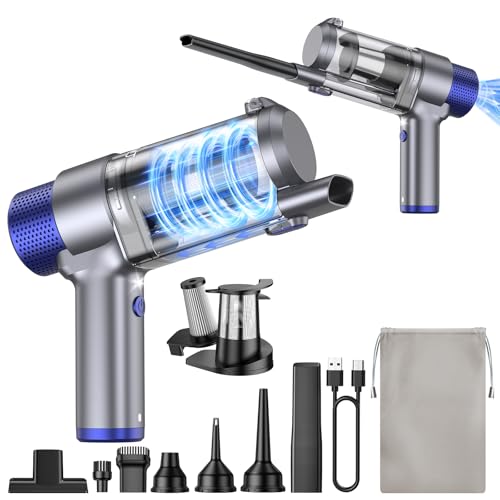
- Portable car vacuum: Handy for quick touch-ups between wash visits. View on Amazon
- Microfiber cleaning cloths: Good for wiping dust off the dashboard after vacuuming. View on Amazon
FAQ
Why does my car wash vacuum coin box keep rejecting quarters?
Dirty, bent or worn quarters are the most common cause. Try a different quarter, and check the coin slot for grime. If the same coin is repeatedly returned, the validator may need cleaning, which the operator should handle.
Can I open the coin box to clear a jam?
No. Only authorized staff should open the cash box or internal compartments. Report the jam so it can be cleared safely.
Why does the display light up but the vacuum does not run?
The logic board may be working while the relay, timer or motor circuit is not. This points to a fault that needs service, so report it to the operator.
Do all car wash vacuums take bills?
No. Some accept only coins, while others accept bills, tokens or cards. Check the label on the unit before you start.
What should I do if a vacuum eats my money and does nothing?
Note the bay number and time, then report it to the car wash staff. Many operators can issue a refund or credit after checking the unit’s records.
How long does a typical vacuum session last?
It depends on the machine’s timing and how much you have paid in. Plan for a few minutes per credit and check the display for remaining time.
Is it safe to use a vacuum in the rain?
Avoid it when standing water or wet floors are present. Electrical equipment and water together create a shock risk. If the area is flooded or an outlet looks damaged, do not use the unit and report it.
Should I ask an electrician to look at a faulty coin box?
Yes, if the problem involves power, breakers or wiring. For repeated trips or burning smells, stop and consult a licensed electrician or the car wash operator right away.
Conclusion
A car wash vacuum coin box is simple in principle: it takes your payment and switches on the motor. Most failures come from stuck or rejected coins, a tripped outlet, or a dead relay, and many of these can be identified in a few minutes. Keep clean coins on hand, work methodically through your vacuum, and report anything that involves wiring or the cash box. A thorough interior clean is well within reach with a little preparation.
Related reading
Ready to choose one?
About Lauren Holland
Lauren Holland is part of our editorial team and reviews and edits our car care & garage supplies guides, checking product details against manufacturer specifications and owner feedback.