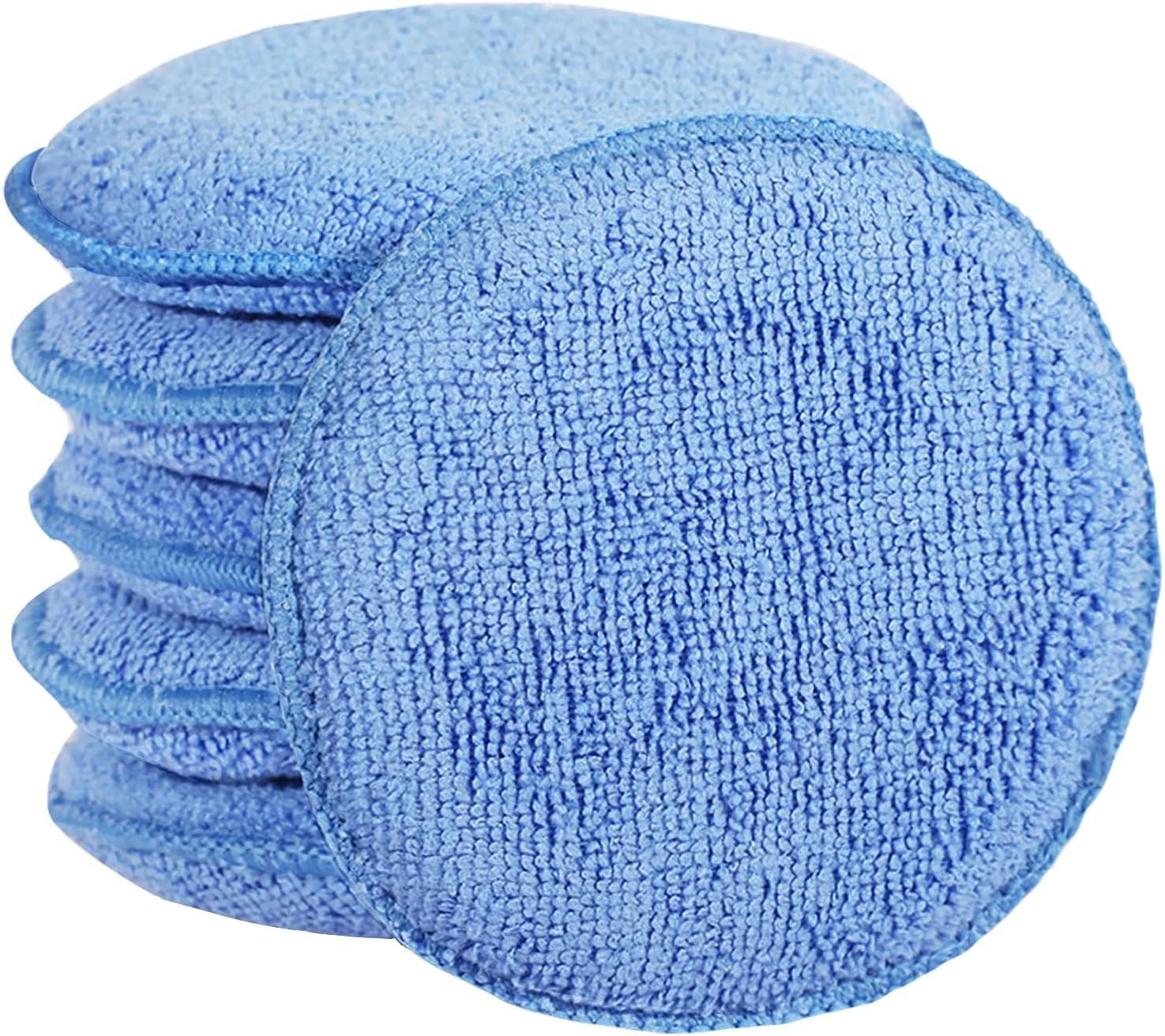
Drying a car after washing is a critical step that can either protect your paint or introduce swirl marks and water spots. The goal is to remove water without dragging dirt across the surface and to prevent minerals from drying and etching into the clear coat. This guide covers the tools, techniques, and habits that help you achieve a spot-free, swirl-free finish every time.
Choosing the Right Drying Towel
The type of towel you use makes the biggest difference. Three common microfiber weaves serve different drying purposes:
- Twisted-loop microfiber towels – These have longer, looped fibers that trap water efficiently. They are ideal for the initial pass because they hold a lot of moisture without becoming saturated too quickly. Use them for the main body panels.
- Waffle weave towels – The open, honeycomb pattern wicks water away from the surface and lets the towel dry quickly between passes. Waffle weave towels are excellent for final drying and for glass because they leave minimal lint.
- Plush microfiber towels – High-pile, plush towels are soft and absorbent but can be heavier. They work well for blotting and for delicate areas like trim. Avoid using a very thick plush towel for dragging across large panels because it may hold too much water and become heavy, increasing the risk of dragging dirt.
For best results, use a dedicated drying towel that has not been used for wax removal or wheel cleaning. Keep several towels on hand so you can switch to a dry one as soon as the current towel becomes damp. Keep a few spare towels ready, especially for larger vehicles.
Blotting Versus Dragging
The way you move the towel across the paint directly affects swirl risk.
- Blotting – Press the towel onto the surface and lift straight up. This technique is safest because it does not drag any remaining particles across the paint. Use blotting for the first pass on each panel, especially if you suspect any leftover dirt or if the car has not been rinsed thoroughly.
- Dragging – Pull the towel gently across the surface in a straight line. Dragging is faster but increases the chance of creating micro-scratches if the towel picks up debris. If you drag, use a light touch and a clean, damp towel. Many detailers recommend dragging only for the final drying pass after most water has been blotted away.
A combination approach works well: blot the majority of water, then lightly drag to pick up remaining droplets. Always work from the top of the car downward to avoid dragging water from dirty lower panels over clean upper areas.
When to Use a Drying Aid
A drying aid is a spray-on product such as a quick detailer or a spray wax applied to the wet panel before you dry it. It adds lubrication, which reduces friction and helps prevent swirl marks. It also leaves a thin layer of protection that can make future washes easier.
To use a drying aid, mist the panel lightly after rinsing but before you touch it with a towel. Then blot or drag as usual. The lubricant helps the towel glide and also encapsulates any microscopic particles. Drying aids are especially useful on dark-colored paint where swirls are more visible. They also help prevent water spots by encouraging water to sheet off rather than bead up.
Using an Air Blower or Car Dryer
Air blowers designed for car drying use filtered, heated or ambient air to blow water off the surface. They are an excellent alternative to towels because they never touch the paint, eliminating the risk of swirl marks entirely. Look for a blower with a high-velocity nozzle and a filter that removes dust and debris from the intake air.
Leaf blowers are sometimes used as a budget alternative, but they typically do not have filtered intakes. Unfiltered leaf blowers can blow fine dust and pollen onto wet paint, which then gets trapped under water droplets and can cause scratches when you later dry with a towel. If you use a leaf blower, check that the intake is clean and consider attaching a fine mesh filter if possible. Even then, a dedicated car dryer is safer and more effective.
To use an air blower, start at the top of the car and work downward, holding the nozzle at a low angle to push water off the panels. Pay special attention to crevices such as side mirrors, door handles, and trim. After blowing off most of the water, you can finish with a gentle blotting pass using a waffle weave towel.
Drying in the Shade
Direct sunlight accelerates evaporation, which leaves mineral deposits behind as hard water spots. Even if your water is soft, the sun can cause water to dry before you have a chance to wipe it off. Always dry your car in the shade or, if that is not possible, at a time of day when the sun is low. A garage or carport is ideal. If you must dry in the sun, work one panel at a time and keep a spray bottle of water or quick detailer handy to re-wet any area that starts to dry before you reach it.
Handling Hard Water Spots
Hard water contains dissolved minerals that leave white or cloudy spots when they dry on paint. The best prevention is to dry quickly and thoroughly. If your tap water is very hard, consider using a spot-free rinse system that deionizes the water, or do a final rinse with distilled water from a garden sprayer. Distilled water has no minerals, so even if a few drops remain, they will not leave spots.
If you already have hard water spots, they may require a dedicated water spot remover or a light polish. To avoid them in the future, never let water air-dry on the paint. Use a drying aid or a spray wax to help water sheet off, and always dry the car immediately after rinsing.
Door Jambs and Mirrors
Water trapped in door jambs, trunk edges, and behind side mirrors can drip out later and leave streaks on your freshly dried paint. After you finish the main body, open each door, the hood, and the trunk. Use a separate, slightly damp microfiber towel to wipe out the jambs and the rubber seals. For side mirrors, angle them downward and blow compressed air or use a towel to remove water from the housing crevices. A small detailing brush can help wick moisture from tight gaps.
Ignoring these areas is a common cause of reappearing water spots minutes after you thought you were done.
Caring for Your Drying Towels
Proper towel maintenance keeps them absorbent and lint-free. Wash microfiber towels separately from cotton or synthetic rags. Use a liquid detergent that is free of fabric softeners, bleach, and dyes. Fabric softener clogs the fibers and ruins absorbency. Wash in warm water (not hot) and rinse thoroughly. Avoid using dryer sheets; they deposit chemicals that reduce the towel’s ability to trap water.
Dry microfiber towels on a low-heat setting or air-dry them. High heat can melt the synthetic fibers. Once dry, store them in a clean, sealed container or bag to keep dust and debris off. Never use a drying towel that has fallen on the ground without washing it first, because even a small piece of grit can cause swirl marks.
Common Mistakes to Avoid
- Using a bath towel or cotton terry cloth – These materials are too abrasive and leave lint.
- Reusing a damp towel without switching – A wet towel cannot absorb more water and will just push water around, increasing drying time and risk of spots.
- Drying in direct sunlight – As mentioned, this causes water spots and makes it harder to see missed areas.
- Applying too much pressure – Pressing hard forces water into the towel but also pushes dirt against the paint. Let the towel do the work.
- Using the same towel for wheels and paint – Wheel towels pick up brake dust and grit that will scratch clear coat.
FAQ
Can I use a leaf blower to dry my car?
You can, but it is not ideal. Most leaf blowers do not have filtered intakes, so they may blow dust and pollen onto the wet paint. If you use one, check that the intake is clean and consider adding a filter. A dedicated car dryer with filtered air is a safer choice.
How often should I replace my drying towels?
Replace a drying towel when it no longer feels plush, when it starts to shed lint, or when it develops a musty odor that washing does not remove. With proper care, quality microfiber towels can last many washes.
What is the best way to dry a black car without swirl marks?
Use a clean, high-quality waffle weave or twisted-loop towel, apply a drying aid for extra lubrication, and blot rather than drag. Drying in the shade is especially important on dark paint because swirls are more visible.
Should I use a drying aid every time?
It is not required, but it helps reduce friction and adds a layer of protection. If you are in a hurry or your paint is in good condition, you can skip it. For dark-colored cars or when drying in less-than-ideal conditions, a drying aid is highly recommended.
Drying your car properly takes a little extra time but pays off in a finish that stays glossy and scratch-free. By choosing the right towel, using a gentle technique, and paying attention to conditions like sunlight and water hardness, you can avoid swirl marks and water spots every time. For more on the tools and products that support a safe drying routine, explore our guides on car drying tools and microfiber towels for cars. And if you are building a full wash-and-dry workflow, our how to wash a car at home article covers the entire process from start to finish.