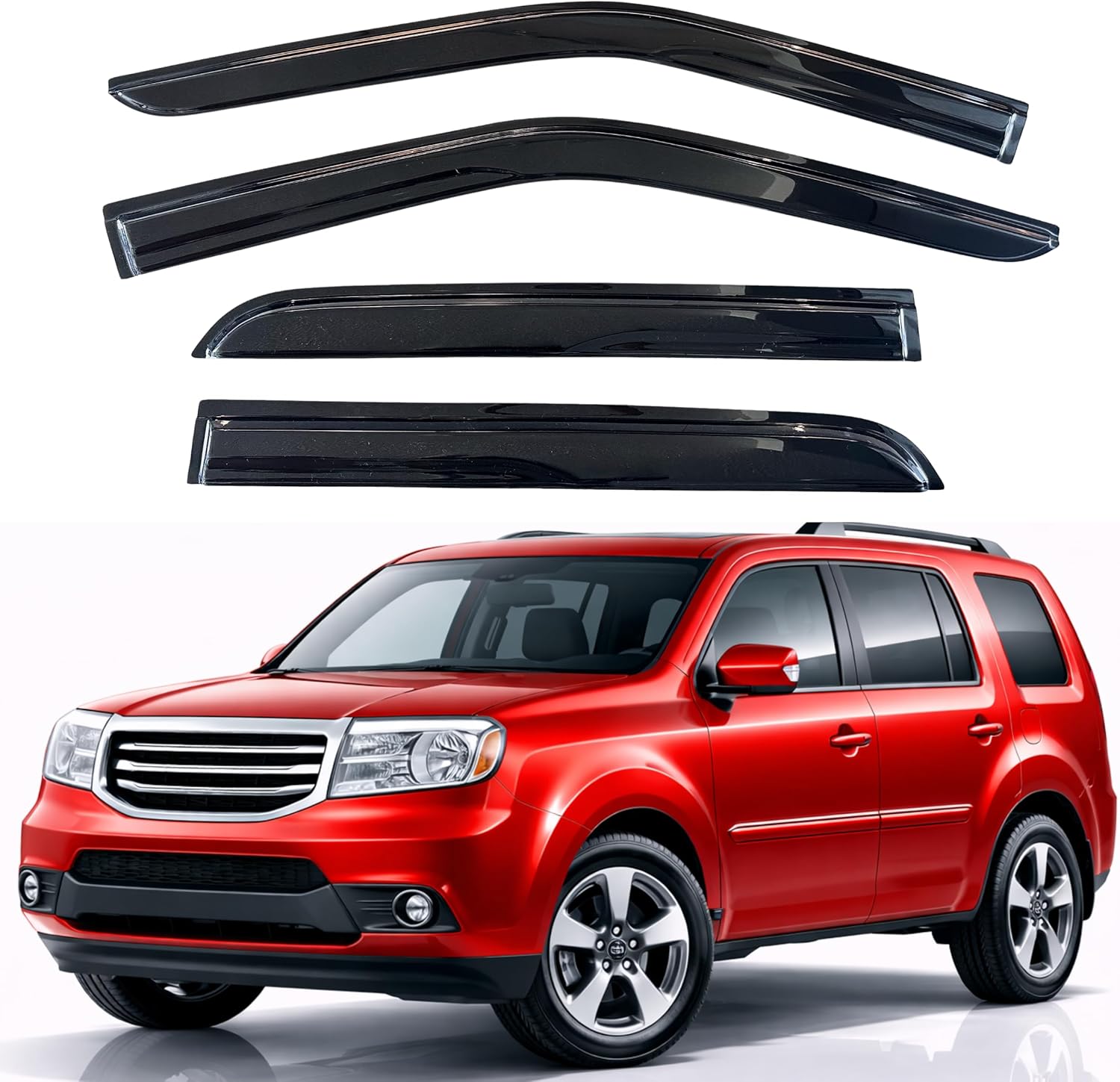
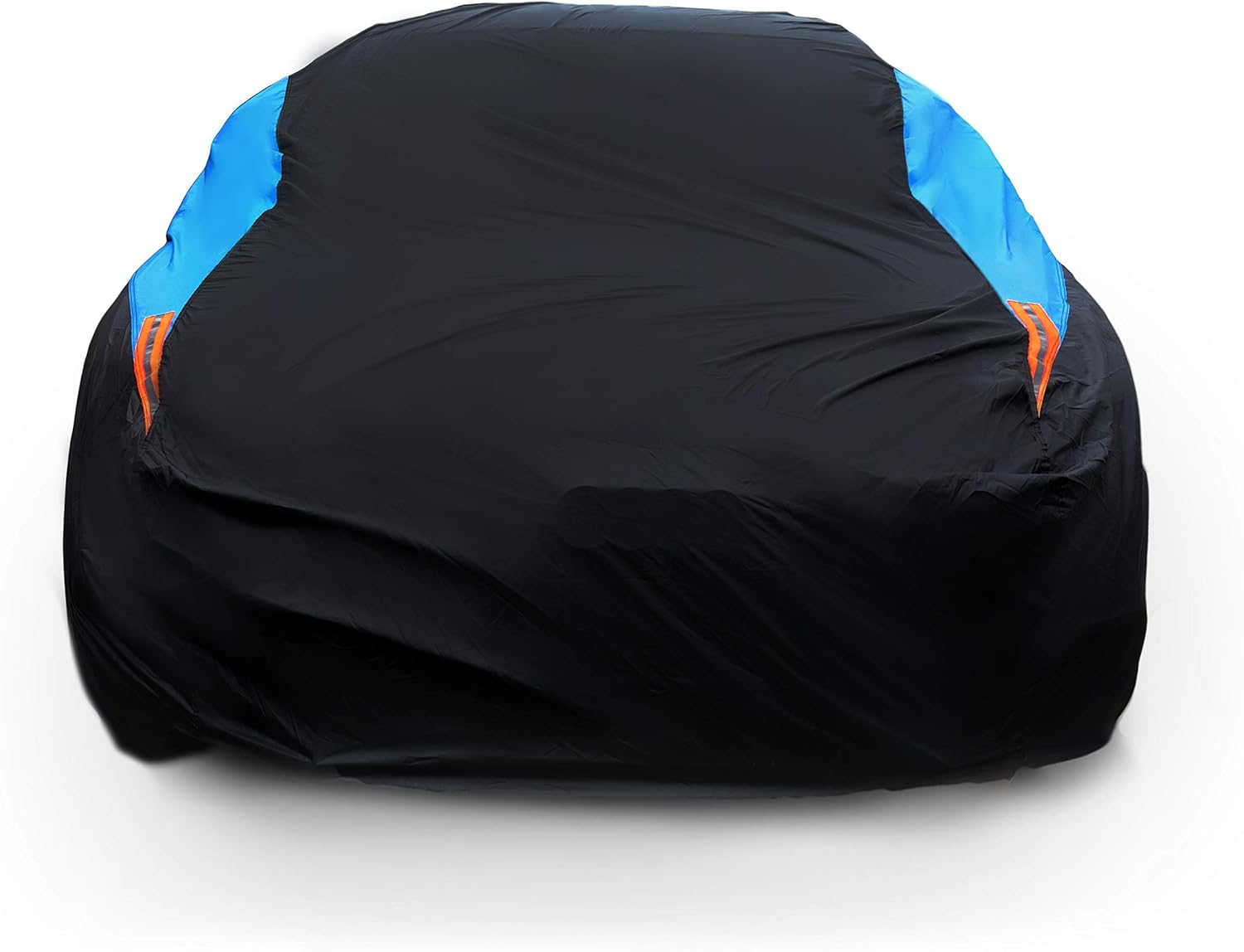
Using a car cover is one of the most effective ways to protect your vehicle’s paint from dust, bird droppings, tree sap, and UV rays. But doing it wrong can scratch the finish, trap moisture, or shorten the cover’s life. This guide covers the correct techniques for putting on, taking off, and storing a car cover so your vehicle stays protected and your cover lasts as long as possible.
What You Need
Before you begin, gather the following items to make the process smooth and safe for your paint:
- Car cover – Make sure it is the correct size and shape for your vehicle. A cover that is too loose can flap in the wind; one that is too tight may strain seams or miss covering certain panels.
- Storage bag – Most covers come with a bag. If yours didn’t, use a breathable cloth or mesh bag. Never store a cover in a plastic bag, which traps moisture.
- Microfiber cloths – Use these to quickly wipe off any dust or moisture from the car’s surface before covering. Microfiber is gentle on clear coat.
- Clean, dry, and shaded area – Avoid covering a hot car (paint can soften slightly, making scratches more likely) and always work away from direct wind.
Step-by-Step Instructions
How to Put a Car Cover On
- Start with a clean, dry car. This is the most important rule. Any dirt, bird droppings, or sap left on the paint will be ground into the finish by the cover as it moves in the wind. Wash and dry the vehicle thoroughly. If you cannot wash it, at least use a quick detailer spray and a microfiber cloth to remove surface dust.
- Unfold the cover and orient it. Lay the cover on the hood or roof (or on a clean blanket on the ground) and find the front and rear ends. Many covers have labels sewn inside indicating which end is the front. If yours doesn’t, note the shape: the front usually has cutouts for the windshield and side mirrors.
- Work front to back. Drape the cover over the front bumper and hood first. Pull it gently over the roof, then down over the rear deck and bumper. This method prevents dragging the inside of the cover across the paint more than once. If you have side mirrors, slip the mirror pockets over them carefully.
- Smooth out wrinkles. Walk around the car and pull the cover taut so it lies flat against the body. Avoid leaving loose sections that can catch wind.
- Fasten straps and locks. Most covers have elastic hems and one or two straps that go under the car. Attach the straps to the designated loops, then tighten them so the cover is snug but not stretched. If your cover includes a grommet for a cable lock, thread a cable lock through and secure it to discourage theft. Always check the manufacturer’s instructions for strap placement.
- Double-check mirror and antenna covers. If your cover has separate pockets for mirrors, make sure they are fully seated. For antenna pockets, fold them over the antenna carefully to avoid bending it.
How to Take a Car Cover Off
- Unfasten all straps and locks. Start by removing any cable lock and unhooking all straps. Release the elastic hem from the bumpers.
- Reverse the front-to-back method. Begin at the front and lift the cover straight up off the hood. Avoid dragging it across the hood or fenders. Work your way backward, lifting rather than sliding the cover off the roof and rear panels. If the cover is large, ask a helper to hold one side so it doesn’t brush the paint.
- Fold as you remove. As you lift each section, fold the cover loosely on itself. This keeps the inside surface (which touches the paint) from contacting the outside (which may have grit). Lay the folded cover on a clean surface or directly into the storage bag.
- Inspect the paint. After removing the cover, run a hand over the painted surfaces to feel for any grit that may have been trapped. If you find any, use a quick detailer and a microfiber cloth to clean the area before the next use.
How to Store a Car Cover
Proper storage prevents mildew, odors, and damage to the cover’s fabric. Here are the key steps:
- Dry the cover thoroughly. If the cover is wet from rain, morning dew, or washing, never store it damp. Hang it over a clean fence, a clothesline, or a drying rack in a well-ventilated area away from direct sunlight. Turn it inside out to dry both sides. Drying may take several hours; check that no moisture remains before folding.
- Clean the cover when needed. Follow the manufacturer’s care instructions. Most covers can be hand-washed with mild soap and cold water, then air dried. Do not machine wash or dry unless the label specifically allows it, as agitation can damage coatings.
- Fold carefully to avoid creases. Lay the cover flat on a clean surface. Fold it in half lengthwise, then fold the front and rear ends toward the center. Continue folding into a compact rectangle that fits the storage bag. Smooth out wrinkles as you go to prevent permanent creases that can weaken the fabric.
- Use the storage bag. Place the folded cover into its breathable bag. Do not force it into a too-small bag; if the bag is damaged, replace it with a cotton or mesh bag. Store the bag in a cool, dry place out of direct sunlight. Avoid keeping it in the trunk if the trunk gets hot, as heat can degrade the fabric.
Indoor vs. Outdoor Covers
Choosing between an indoor and an outdoor cover depends on where the car is parked most of the time. Here is a quick comparison:
| Feature | Indoor Cover | Outdoor Cover |
|---|---|---|
| Primary purpose | Protect from dust, accidental bumps, and minor scratches in a garage or storage area. | Protect from rain, snow, UV rays, bird droppings, tree sap, and wind-blown debris. |
| Fabric | Usually lighter, non-woven or soft cotton/polyester blend. Breathes well to let trapped moisture escape. | Heavier, multi-layer, waterproof or water-resistant, often with a UV-reflective coating. May have a soft inner lining. |
| Fit and features | Often form-fitting but may lack tie-down straps. Elastic hems are common. | Includes straps, reinforced grommets for locks, and sometimes mirror/antenna pockets. Elastic hems are heavier. |
| Ventilation | Naturally breathable; no special vents needed. | Many outdoor covers have built-in air vents to reduce wind lift and allow moisture to escape. |
| Storage | Same drying and folding requirements. Lighter fabric dries faster. | More important to dry thoroughly before storing because heavy layers can hold moisture longer. |
If you occasionally park outside but also keep the car in a garage, an outdoor cover will still work for indoor use, but it is bulkier and more expensive. An indoor cover used outdoors will quickly degrade and may not keep water out.
Common Mistakes
- Covering a dirty or wet car. Dirt and grit act like sandpaper. Moisture trapped under the cover can cause mildew on the fabric and rust on the car’s surface.
- Putting the cover on backward. The front end often has mirror pockets and a different shape. Forcing it on backward strains seams and leaves panels uncovered.
- Not securing straps. A loose cover can billow in the wind, flapping against the paint and causing micro-scratches. Straps that hang down can drag on the ground and pick up debris.
- Storing the cover wet or dirty. Even if you plan to use it again soon, always dry and clean the cover first. Mildew can ruin the fabric in a single week of storage.
- Folding the cover carelessly. Crumpling it into a ball creates deep creases and can abrade the inside liner. Always fold neatly.
Troubleshooting
The cover does not fit snugly
If the cover is too loose, check that you have the correct size for your vehicle model. Many manufacturers offer size charts based on overall length and shape. If the cover is too tight, it may stretch the seams or leave gaps. Do not force it; look for a cover designed for your car’s dimensions. Straps should be adjusted so the cover is taut but not stretched tight across mirrors or bumpers.
The cover blows off in strong wind
First, confirm that all under-car straps are properly fastened and tightened. A cable lock through the grommet adds weight and security. If the cover still lifts, consider parking the car in a more sheltered location or using a cover with built-in wind vents. Never rely solely on the elastic hem to hold the cover in high wind.
Water pools on the cover
Outdoor covers are designed to repel water, but if water pools in large puddles, the fabric may be losing its water resistance or the cover may not be tight enough to shed water. Try tightening the straps so the cover has a slight “roof” shape. If the problem persists, the cover may need to be re-waterproofed with a spray-on fabric treatment approved by the manufacturer.
The inside of the cover is dirty
Dirt on the inside lining means the cover was placed on a dirty car or was dragged across the ground. Wash the cover according to the care label, and always clean the car before covering it. After washing, dry the cover completely and inspect it for any remaining grit.
FAQ
Can I put a car cover on a wet car?
No. Covering a wet car traps moisture against the paint, which can lead to water spots, mildew, and even paint damage over time. Always dry the car thoroughly before covering it. If it starts raining while the cover is on, that is fine — the cover is meant to handle rain — but remove the cover as soon as the weather clears to let any trapped condensation evaporate.
How often should I use a car cover?
Use the cover whenever the car is parked for an extended period, whether overnight or for weeks. If you drive daily, you may only need to cover the car when it sits for several days. Frequent removal and reinstallation increase the risk of scratching, so balance protection with convenience. Some owners use the cover only during seasonal storage or when parking under trees.
Can I wash a car cover in a washing machine?
Check the care label first. Many covers are hand-wash only. If machine washing is allowed, use a front-loading machine on a gentle cycle with cold water and mild detergent. Never use bleach or fabric softener. Hang the cover to dry — never put it in a dryer, as heat can damage waterproof coatings and shrink the fabric. Follow the manufacturer’s instructions exactly.
How should I fold a car cover to avoid creases?
Lay the cover flat on a clean surface. Fold it lengthwise in half, then bring the front and rear ends toward the center. Continue folding into a rectangle the size of the storage bag. Smooth the fabric with your hands as you go. Avoid sharp folds that can create permanent creases. If the cover has a soft inner liner, try to keep that side facing inward to protect it.
Taking a few extra minutes to put on, remove, and store your car cover the right way will keep your vehicle’s paint in great condition and extend the life of the cover. For more tips on choosing and maintaining car covers and other exterior accessories, browse the related guides on Auto Supply Guide.