By Lauren Holland
Updated November 2026
An OBD2 scanner for Subaru Forester lets you pull the trouble codes stored in the engine computer, see what the car is reporting in real time, and clear a check engine light once the cause is handled. Subarus from the late 1990s onward use the standard 16-pin OBD2 port under the dash on the driver’s side, so any generic code reader will connect. This guide walks through the steps and the limits of what a scanner can tell you.
Check Compatibility Before You Buy
Most Forester models from 1998 onward use OBD2 with the standard SAE J1962 connector, and generic scanners handle the engine (powertrain) codes without trouble. Where people run into problems is with systems outside the engine computer. Airbag (SRS), ABS, and transmission data often need a scanner that supports those modules specifically. Check the product listing for “all systems” or enhanced diagnostics if you want to read more than engine codes. Scanners that read Subaru-specific manufacturer codes, called P1xxx and B/C/U-series codes, give more detail than generic P0xxx codes alone.
Shopping for one? See our guide: 3 Best OBD2 Scanners for Nissan Rogue Compared (2026).
Read the Codes Step by Step
- Turn the ignition off. Locate the OBD2 port under the dashboard, usually near the steering column on the driver’s side.
- Plug the scanner in firmly. Turn the ignition to the “ON” position without starting the engine.
- Power up the scanner and select the vehicle or let it auto-detect the protocol.
- Choose “Read Codes.” Write down every code exactly as shown, including the prefix letter and any suffix.
- Look up each code to confirm what the manufacturer means. A P0420 on a Forester usually points to catalytic converter efficiency, but it can also come from an oxygen sensor or an exhaust leak.
- Check “freeze frame” data if it’s available. This shows engine speed, coolant temperature, and fuel trim at the moment the fault was stored, which helps you tell a one-time event from a recurring problem.
Use Live Data to Narrow Down the Fault
Codes tell you which circuit or system reported a problem. Live data tells you how it’s behaving. Watch short-term and long-term fuel trims, oxygen sensor voltage, and misfire counts while the engine idles and then while it’s driven at steady speed. Subaru boxer engines are sensitive to vacuum leaks and aging sensors, so fuel trim values that drift far from zero are often the first useful clue. Record a few readings, then compare them after any repair.
Clear Codes and Confirm the Repair
Clear codes only after you’ve recorded them and made a repair or confirmed the cause. Clearing a code erases the stored fault and resets readiness monitors, so the car will need a few drive cycles before the monitors complete again. Drive normally for several days, including a mix of city and highway driving, then rescan. If the same code returns, the problem is still present. If the check engine light stays off and the codes don’t come back, the repair held. We also found 7 Best Rooftop Tents for Subaru Forester Options Compared for 2026 useful on this point.
Common Mistakes
- Clearing codes before writing them down, which removes the freeze frame data you need.
- Replacing parts based on the code title alone instead of checking related wiring and live data.
- Ignoring pending codes, which can indicate a fault that hasn’t triggered the light yet.
- Assuming a cleared light means the car has passed an emissions check. Readiness monitors must be complete first.
- Using a scanner that only reads engine codes when the issue is an airbag or ABS warning.
Recommended Gear
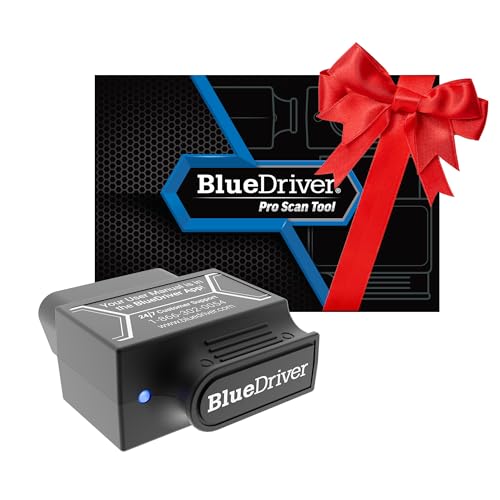
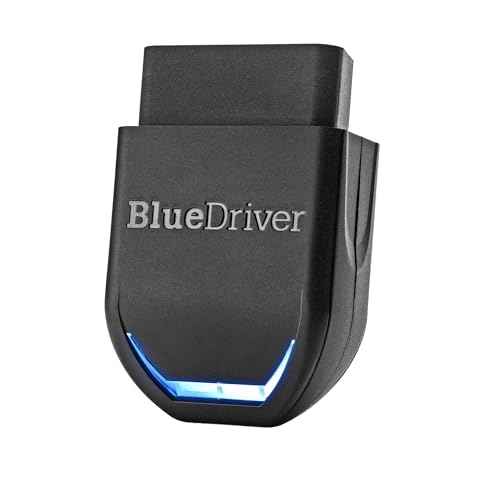
- Bluetooth OBD2 adapter with a companion app: Useful for viewing live data on a phone while someone else drives or checks the engine. View on Amazon
- Handheld code reader with live data: A standalone unit works without a phone and is handy in a garage with no signal. View on Amazon
For more background, see OBD2 Scanners and Code Readers: What They Can and Cannot Tell You and Wireless Bluetooth OBD2 Scanner: How to Pick and Use One at Home. If your Forester has an airbag warning, OBD2 Scanner with SRS: How to Read Airbag Codes Yourself (Step-by-Step) covers that system specifically.
FAQ
Will a generic OBD2 scanner work on a Subaru Forester?
Yes, for engine and emissions codes on any Forester with the standard 16-pin port. Airbag, ABS, and transmission data may require a scanner with enhanced or multi-system support.
Can clearing codes fix the problem?
No. Clearing only erases the stored code and resets the readiness monitors. If the underlying fault remains, the code will return after a few drive cycles. A related read: Obd2 Scanner for Subaru: Read and Clear Codes at Home (Step-by-Step).
Should I see a mechanic for a check engine light?
If the scanner shows codes you can’t confidently diagnose, or the car runs poorly, have a qualified technician look at it. Safety-related systems like brakes and airbags should always be checked by a professional.
Conclusion
A basic OBD2 scanner gives a Forester owner a clear starting point: the stored codes, the freeze frame data, and the live readings that show how the engine is behaving. Use those findings to guide your repair, not to guess at parts. Clear codes only after the cause is addressed and the car has completed its drive cycles.
Related reading
Ready to choose one?
About Lauren Holland
Lauren Holland is part of our editorial team and reviews and edits our car care & garage supplies guides, checking product details against manufacturer specifications and owner feedback.