By Lauren Holland
Updated November 2026
An obd2 scanner for Subaru lets you read the trouble codes that set your check engine light, see the conditions the car was in when the fault happened, and clear the light once the repair is done. Most Subarus from 1996 onward use the standard OBD2 port under the dash, so a basic reader will work across Forester, Outback, Impreza, and Legacy models. This guide walks through connecting the tool, pulling codes, and deciding what to do next.
What You Need Before You Start
Any generic OBD2 reader will read Subaru powertrain codes, but a scanner that supports live data and freeze frame will tell you far more. Keep the following on hand:
Shopping for one? See our guide: 3 Best OBD2 Scanners for Nissan Rogue Compared (2026).
- An OBD2 scanner with code reading, freeze frame, and live data support
- A notepad or phone camera to record every code exactly as shown
- A flashlight to locate the port
- Your VIN, usually on the dashboard near the windshield or on the driver door jamb
How to Connect and Read Codes on a Subaru
- Turn the ignition off. Locate the 16-pin OBD2 port, usually under the driver side dash near the steering column, sometimes behind a small cover.
- Plug the scanner firmly into the port. Some scanners power up immediately; others need the key turned to the “ON” position without starting the engine.
- Turn the ignition to ON and wait for the scanner to link with the vehicle. Your screen should show the make, model, and protocol.
- Select “Read Codes.” Write down every code, including the first letter (P for powertrain, B for body, C for chassis, U for network).
- Check freeze frame data for each code. This snapshot shows engine RPM, coolant temperature, and fuel trim at the moment the fault was stored.
Interpreting Codes Before You Clear Them
Clearing a code turns off the light but does not fix the problem. If the cause is still present, the code and light will return, often within a few drive cycles. Use the code to narrow down the cause, and treat it as a starting point rather than a final diagnosis.
| Code type | Common Subaru example | Typical first check |
|---|---|---|
| P0171 / P0174 | System too lean | Vacuum leaks, MAF sensor, PCV hose |
| P0300 to P0304 | Random or cylinder misfire | Spark plugs, coil packs, injector wiring |
| P0420 | Catalyst efficiency below threshold | Oxygen sensor readings, exhaust leaks |
| P0455 | Large EVAP leak | Gas cap seal, purge valve, hoses |
Clearing Codes and Confirming the Repair
Once you have fixed the cause, use the scanner’s “Erase Codes” function with the engine off. Then drive the car through a full cycle that includes a cold start, steady highway speed, and a stop-and-go section. Readiness monitors need this to complete, and a scan afterward will show whether the code stayed away. Owners often report that the light stays off after a clean drive cycle, but some monitors take several days of normal driving to reset.
Common Mistakes to Avoid
- Clearing codes before writing them down, which erases the freeze frame data you need.
- Replacing parts based only on the code description without checking wiring and vacuum lines first.
- Ignoring pending codes, which can show a fault the car has not yet confirmed.
- Assuming an empty scan means the car is fine, since intermittent faults may not have set yet.
- Using a cheap scanner that cannot read freeze frame or live data, which limits your diagnosis.
Recommended Gear
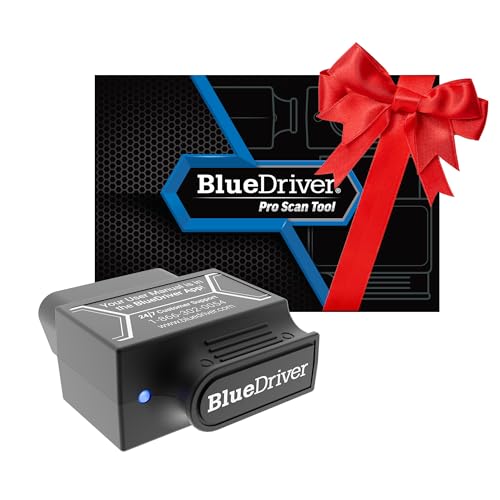
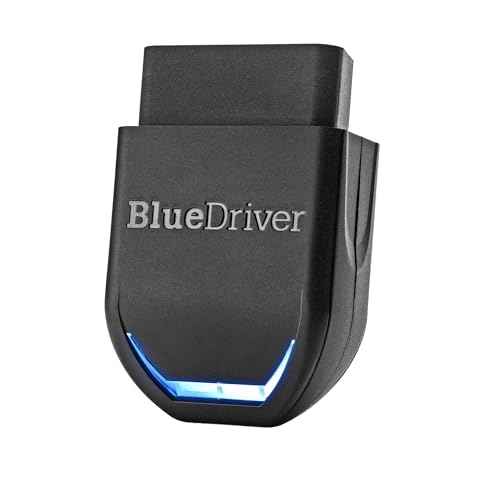
A Bluetooth reader paired with a phone app is a practical choice for home use because it shows live sensor data and stores past scans. Look for a unit that explicitly lists Subaru compatibility and supports the ISO and CAN protocols used on 2008 and newer models. View on Amazon
A handheld code reader with freeze frame support is a good option if you do not want to rely on a phone. It is simple to use in a dark garage and makes quick checks easy. View on Amazon
FAQ
Will an obd2 scanner for Subaru work on older models?
Most Subarus from 1996 onward have an OBD2 port, but the scanner must support the protocols used by that year. Very early OBD2 cars may need a scanner with broader protocol support.
Can I clear a check engine light without fixing the problem?
Yes, but the light will usually return if the fault is still present. Clearing codes is best done after a repair is confirmed.
Do I need to disconnect the battery after clearing codes?
No. A scanner’s erase function is enough to clear stored codes. Disconnecting the battery can reset radio presets and other settings and is rarely needed.
Conclusion
An obd2 scanner for Subaru gives you the codes, freeze frame data, and live readings you need to start diagnosing at home. Record every code before clearing anything, and use the results to guide your checks rather than replacing parts blindly. If a code keeps returning or involves safety systems such as the airbag or brakes, consult a qualified technician.
Related reading
- OBD2 Scanner for Subaru Outback: Read and Clear Codes at Home
- OBD2 Scanner for Subaru Forester: How to Read and Clear Codes at Home
- OBD2 Scanner for Subaru Crosstrek: How to Read and Clear Codes at Home
- Xtool D5S OBD2 Scanner: How to Read and Clear Car Codes at Home
Ready to choose one?
About Lauren Holland
Lauren Holland is part of our editorial team and reviews and edits our car care & garage supplies guides, checking product details against manufacturer specifications and owner feedback.