By Lauren Holland
Updated November 2026
An OBD2 scanner for Subaru Crosstrek lets you read the fault codes your car stores, see live sensor data, and clear the check engine light once a repair is done. The Crosstrek has used the standard OBD2 port since the model’s first generation, so any reasonably capable generic scanner will connect. This guide walks through choosing a tool, reading codes, and using that information without guessing.
What You Need Before You Start
Most of the work requires only a scanner and a few minutes. Gather these items first:
Shopping for one? See our guide: 3 Best OBD2 Scanners for Nissan Rogue Compared (2026).
- A scanner that supports OBD2 (SAE J1979) protocols and reads generic P0 codes
- Your phone or notebook to record codes exactly as displayed
- The ignition key, and the engine off to start
- A way to look up codes, such as the scanner’s app or a repair database
Step-by-Step: Reading Codes on the Crosstrek
- Locate the port. On the Crosstrek, the 16-pin OBD2 connector sits under the dash on the driver’s side, usually near the steering column or fuse panel area. Look for a trapezoid-shaped plug.
- Connect the scanner. Plug it in firmly with the ignition off.
- Turn the key to ON. Do not start the engine yet. Wait a few seconds while the scanner powers up and links to the car.
- Select the vehicle or protocol. If the scanner asks for make and model, choose Subaru or the Crosstrek. If it auto-detects, let it.
- Read the codes. Record every code, including pending codes. Pending codes often show a problem that has not yet triggered the light.
- Look at freeze frame data. This snapshot shows engine RPM, coolant temperature, and load at the moment the fault was stored. It helps you judge whether the problem happened during a cold start, at highway speed, or under load.
Interpreting Codes Without Guessing
A trouble code tells you which circuit or system reported a problem, not which part to replace. Treat the first code as a starting point and check the related sensor, wiring, and connections before buying anything. Common Crosstrek codes include misfire codes in the P0300 range, oxygen sensor codes such as P0130 to P0167, and evaporative emission leak codes in the P0440 family. Many owners report that a loose gas cap or a cracked vacuum hose triggers an EVAP code, so inspect those first. You may also like Obd2 Scanner for Subaru: Read and Clear Codes at Home (Step-by-Step).
| Code range | System | Quick first check |
|---|---|---|
| P0300–P0308 | Engine misfire | Spark plug condition and ignition coil connector |
| P0130–P0167 | Oxygen sensors | Sensor wiring and exhaust leaks upstream |
| P0440–P0457 | EVAP emissions | Gas cap seal and purge valve hoses |
Clearing Codes and Checking the Result
Clear codes only after you have recorded them and completed the repair. Erasing codes before a fix removes the evidence you need and turns the light off temporarily, not permanently. Use the scanner’s erase function, then turn the ignition off for 30 seconds. Start the engine and confirm the light stays off. Drive through a normal cycle, including a cold start and some highway time, because many monitors need that to run again. If the code returns, the fault is still present. For a broader look at what these tools can and cannot reveal, see OBD2 Scanners and Code Readers: What They Can and Cannot Tell You. If you want a model-specific walkthrough for a similar Subaru-adjacent platform, Toyota RAV4 OBD2 Scanner: How to Read and Clear Codes at Home covers comparable steps.
Choosing the Right Scanner for Your Crosstrek
A basic code reader covers most home needs. A Bluetooth model paired with a phone app adds live data graphs, which are useful for diagnosing intermittent problems. Look for one that supports enhanced Subaru data if you plan to check transmission or ABS modules, since generic readers may only reach engine codes. If you want a phone-based setup, Wireless Bluetooth OBD2 Scanner: How to Pick and Use One at Home explains what to compare.
Recommended Gear
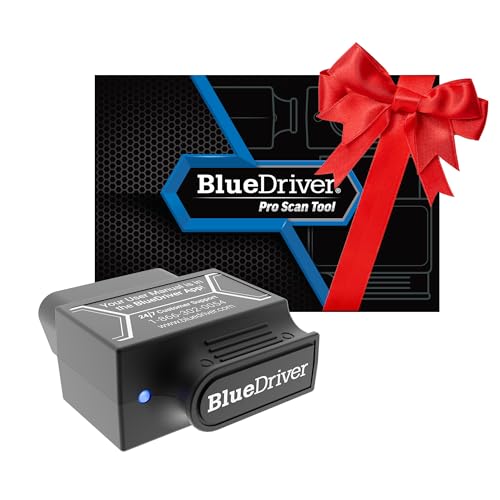
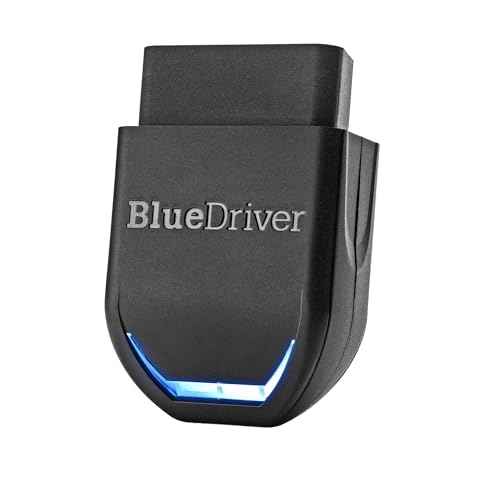
- Bluetooth OBD2 adapter: Pairs with a phone app and shows live sensor graphs, which helps when a fault comes and goes. View on Amazon
- Handheld code reader: Works without a phone, which suits a glovebox tool for quick checks in the driveway. View on Amazon
Common Mistakes and Tips
- Clearing codes before writing them down, which erases your only record of the fault.
- Replacing an oxygen sensor for an EVAP code, or the reverse. Match the part to the code’s system.
- Ignoring pending codes, which can point to an intermittent problem before the light comes on.
- Assuming a cleared light means a fixed car. Confirm by driving a full cycle.
- Leaving the scanner plugged in while driving. Unplug it once you have finished.
FAQ
Will any OBD2 scanner work on a Subaru Crosstrek?
Most generic OBD2 scanners read engine codes on the Crosstrek because it uses the standard 16-pin port. Enhanced Subaru systems such as transmission or ABS may need a more capable tool.
Can I clear the check engine light myself?
Yes, a scanner can erase codes and turn the light off. Clear codes only after recording them and completing the repair, or the fault may return.
Do I need to consult a professional for every code?
Many codes can be checked at home, but brake, airbag, and fuel system faults carry safety risks. Consult a qualified technician for those before driving the car.
Conclusion
An OBD2 scanner gives a Crosstrek owner a clear view of what the car is reporting. Record every code, check the simplest causes first, and confirm the repair before clearing anything. With that routine, most engine light problems become manageable weekend jobs.
Related reading
- Toyota Corolla OBD2 Scanner: How to Read and Clear Codes at Home
- Obd2 Scanner with Throttle Relearn: Step-by-Step Guide for Home Mechanics
Ready to choose one?
About Lauren Holland
Lauren Holland is part of our editorial team and reviews and edits our car care & garage supplies guides, checking product details against manufacturer specifications and owner feedback.