By Lauren Holland
Updated November 2026
An OBD2 scanner for Subaru Outback lets you read the trouble codes stored in your car’s computer, see live sensor data, and clear a check engine light once the fault is fixed. Most Outbacks from 1996 onward use the standard OBD2 port under the dashboard, so a basic code reader works on the vehicle. This guide covers what to look for in a scanner, how to pull codes step by step, and how to avoid the mistakes that send people chasing the wrong part.
What to Look for in an OBD2 Scanner for Subaru Outback
Any scanner that reads generic OBD2 codes will show you the basic powertrain codes (P-codes). Subaru also uses manufacturer-specific codes for the transmission, ABS, airbag, and body control modules, and a generic reader often can’t see those. If you want to check more than the engine, look for a scanner that advertises multi-system support or Subaru-specific coverage.
Shopping for one? See our guide: 3 Best OBD2 Scanners for Nissan Rogue Compared (2026).
Useful features to compare:
- Live data streaming, so you can watch fuel trims, coolant temperature, and O2 sensor readings in real time.
- Freeze frame data, which records conditions at the moment a fault was stored.
- Readiness monitor status, which you’ll need before a smog check.
- Bluetooth or app support if you prefer reading codes on a phone. See Wireless Bluetooth OBD2 Scanner: How to Pick and Use One at Home for how these compare.
How to Read Codes on Your Outback
- Turn the ignition to the “on” position without starting the engine. The check engine light should illuminate briefly.
- Locate the OBD2 port, a 16-pin connector usually under the driver’s side dashboard, near the steering column.
- Plug in the scanner firmly and turn the ignition on.
- Select “Read Codes” (or the equivalent menu item) and wait for the scan to finish.
- Write down every code, including any pending or permanent codes, along with the freeze frame data.
A code like P0171 (system too lean, Bank 1) or P0300 (random misfire) points you to a system, not a single part. Use the code as a starting point, then check the live data before replacing anything.
Diagnosing Before You Clear Codes
Clearing a code turns off the light, but it doesn’t fix the cause. If the fault returns, the light comes back on and your readiness monitors reset, which can make a smog test fail. Diagnose first, repair, then clear.
Some practical checks:
- For lean codes on a Subaru, inspect the intake hoses and PCV valve for cracks or leaks before suspecting the fuel system.
- For misfire codes, compare cylinder-specific data and check spark plugs and coil packs.
- Watch short-term and long-term fuel trims at idle and at 2,500 RPM. Large positive values suggest the engine is running lean.
Subaru owners often report that a single cracked vacuum line causes lean codes that look like a fuel pump problem. Checking the cheap parts first saves time.
Clearing Codes and Confirming the Fix
After repairs, use the scanner’s “Erase Codes” function. Then drive the car through a mixed cycle of city and highway speeds, typically 20 to 30 minutes, to let the monitors run. Re-scan afterward. If the code returns or the light comes back on, the repair didn’t address the root cause.
Common Mistakes
- Clearing codes before repairing the fault, which hides the evidence you need.
- Assuming a generic reader can see ABS, airbag, or transmission faults on every model year.
- Replacing oxygen sensors based on a code alone without checking live data.
- Ignoring pending codes, which often warn of a problem before the light turns on.
Recommended Gear
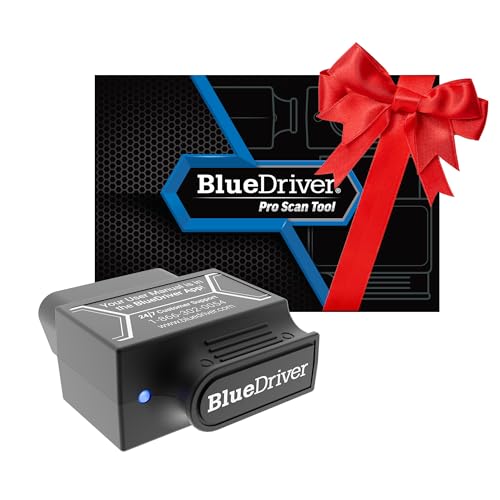
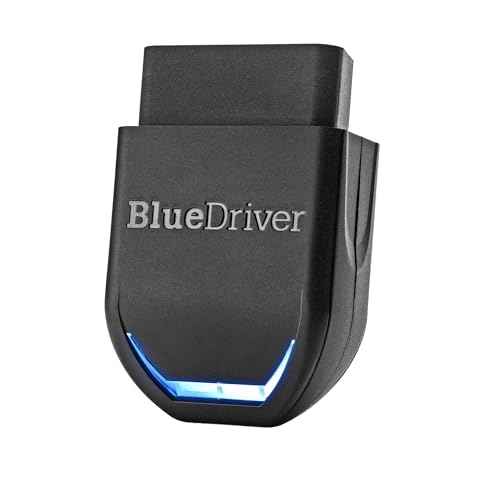
- Bluetooth OBD2 adapter with a phone app: Useful for watching live data while you drive a test loop. View on Amazon
- Handheld code reader with live data: A standalone unit that works without a phone, handy in the garage. View on Amazon
FAQ
Will an OBD2 scanner work on every Subaru Outback?
Most Outbacks sold in the US from 1996 onward use the OBD2 standard, so the port and basic engine codes will work. Some transmission, ABS, and airbag codes require a scanner with multi-system support.
Can I clear a check engine light without fixing the problem?
You can, but the light will usually return if the fault is still present. Clearing codes also resets readiness monitors, which can cause a smog check to fail.
How long should I drive after a repair before re-scanning?
Plan on a mixed drive of 20 to 30 minutes, including some steady highway speed, so the readiness monitors can complete. A re-scan afterward confirms whether the fault is gone. You may also like Obd2 Scanner for Subaru: Read and Clear Codes at Home (Step-by-Step).
Conclusion
A capable OBD2 scanner gives you the codes, live data, and freeze frame information you need to diagnose your Outback at home. Read the codes, check the live data, and fix the cause before clearing anything. If a fault involves brakes, airbags, or steering, have a qualified shop verify the repair.
Related reading
- Toyota Corolla OBD2 Scanner: How to Read and Clear Codes at Home
- Obd2 Scanner with Throttle Relearn: Step-by-Step Guide for Home Mechanics
- Obd2 Scanner with Crankshaft Relearn: Steps to Finish the Job
- Obd2 Scanner for Volkswagen: Read Codes and Fix Common Faults
- Obd2 Scanner for Trucks: How to Read and Clear Codes Yourself
Ready to choose one?
About Lauren Holland
Lauren Holland is part of our editorial team and reviews and edits our car care & garage supplies guides, checking product details against manufacturer specifications and owner feedback.