By Lauren Holland
Updated November 2026
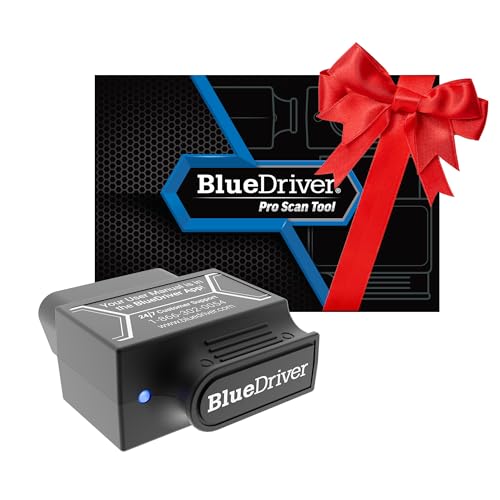
A fixd bluetooth obd2 scanner is a small plug-in device that reads your car’s diagnostic trouble codes and sends them to a companion app on your phone. In this guide you’ll learn how to plug it in, pair it, read the code behind a check engine light, and decide whether the fault is something you can handle in your driveway. The whole process usually takes under ten minutes once the device is paired. For a deeper look, OBD2 Scanner With Bluetooth: How to Read Codes From Your Phone in 5 Steps covers this in detail.
What You Need Before You Start
Most of the setup is handled by the app, but a few basics make the first session go smoothly. Have these ready:
Shopping for one? See our guide: 3 Best OBD2 Scanners for Nissan Rogue Compared (2026).
- A vehicle built in 1996 or later, since all US passenger cars and light trucks from that model year use the standard OBD2 port.
- Your phone with Bluetooth turned on and the manufacturer’s app installed.
- The key in the ignition position (engine off is fine for reading codes).
- A notepad or phone note to record each code exactly as it appears.
Step-by-Step: Connecting and Reading Codes
Start by locating the port. It sits under the dashboard on the driver’s side, usually within a foot or two of the steering column and often behind a small cover.
- Plug in the scanner. Push it straight into the 16-pin port until it seats fully. Don’t force it at an angle.
- Turn the ignition to ON. The device should power up, typically showing a light on its body.
- Pair over Bluetooth. Open your phone’s Bluetooth settings or the app and select the scanner. Some devices require a short pairing code, so check the manual if prompted.
- Open the app and run a scan. Choose the option to read trouble codes. A full scan can take anywhere from 30 seconds to a couple of minutes depending on how many modules your car reports.
- Write down every code. Codes look like P0301 (a letter followed by four digits). Record the complete code and any freeze-frame data the app shows, such as engine speed or coolant temperature at the moment the fault was logged.
Interpreting What the Codes Tell You
A code identifies the system that reported a problem, not the part to replace. The first letter points to the system: P for powertrain, B for body, C for chassis and U for network. Look up the code in the app’s definition or a reliable reference, then check whether the fault is steady or intermittent.
| Code type | What it usually means | Typical first step |
|---|---|---|
| P0300 to P0308 | Engine misfire on one or more cylinders | Inspect spark plugs and coil packs |
| P0420 | Catalyst efficiency below threshold | Check for exhaust leaks and oxygen sensor readings first |
| P0455 | Large evaporative emission leak | Inspect the gas cap and its seal |
Before buying parts, confirm the diagnosis. A single misfire code can come from a worn plug, a cracked coil or a vacuum leak, and replacing the wrong part wastes time. For more background on what codes can and cannot tell you, see OBD2 Scanners and Code Readers: What They Can and Cannot Tell You.
Clearing Codes and Knowing When to Stop
Clearing a code turns off the check engine light and resets readiness monitors, but the fault returns if the cause is still there. Only clear codes after you’ve fixed the problem or recorded the data you need. If the light returns within a few drive cycles, the fault is still active. Check the device’s connection status before assuming the scanner is at fault, because a loose plug or a dead Bluetooth link can look like a stubborn code. If the app won’t connect at all, Obd2 Scanner Not Connecting to ECU: 7 Fixes to Try First covers the most common causes.
Any repair involving fuel system, brakes, airbags or high-voltage hybrid components should go to a qualified technician. Stop there if you’re unsure.
Common Mistakes
- Clearing codes before writing them down, which erases the freeze-frame data you need.
- Assuming the code names the exact failed part rather than the circuit or system.
- Ignoring a flashing check engine light, which signals an active misfire that can damage the catalytic converter.
- Leaving the scanner plugged in while driving, which can drain the battery on some vehicles.
- Pairing with the wrong Bluetooth entry when several OBD devices are nearby.
Recommended Gear
- A replacement gas cap with a tight seal is the first thing to check when a P0455 or P0456 evaporative code appears. View on Amazon
- A basic spark plug socket with a rubber insert helps you check plugs quickly when a misfire code points to ignition. View on Amazon
FAQ
Will a fixd bluetooth obd2 scanner work on any car?
It works on most vehicles sold in the US from 1996 onward because they use the standard OBD2 port. Some very old or specialty vehicles may read only generic codes.
Does clearing a code fix the problem?
No. Clearing only removes the stored code and turns off the light. If the underlying fault remains, the code will return.
Can I leave the scanner plugged in all the time?
It’s best not to. Some plug-in devices draw small amounts of power, and leaving one connected for long periods can slowly drain the battery.
Conclusion
A fixd bluetooth obd2 scanner gives you the code behind a warning light in a few minutes, so you can decide what to do next. Write down every code, check the simplest causes first, and only clear codes after the repair is done. When a fault involves safety systems or fuel delivery, a professional technician is the right call.
Related reading
Ready to choose one?
About Lauren Holland
Lauren Holland is part of our editorial team and reviews and edits our car care & garage supplies guides, checking product details against manufacturer specifications and owner feedback.