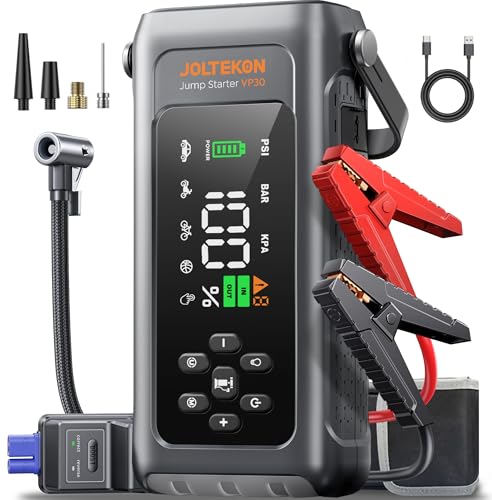
By Lauren Holland
Updated November 2026
Choosing a vector car battery charger comes down to what your battery actually needs: a simple maintainer to keep a seasonal vehicle topped off, a multi-voltage unit for mixed equipment, or a smart charger with desulfation and engine-start features for a battery that has already started to fail. This guide compares seven chargers from the Vector and Vector-adjacent maintainer lineup and similar automatic units, judged on charge output, voltage support, battery chemistry compatibility, protection features, and the patterns owners commonly report. Nothing here is based on our own bench testing; it draws on manufacturer specifications and typical owner feedback.
Our top picks at a glance
- 1
 TOP CHOICEBest overallVector VECBC4 4 Amp Battery Charger/MaintainerView on Amazon
- 2
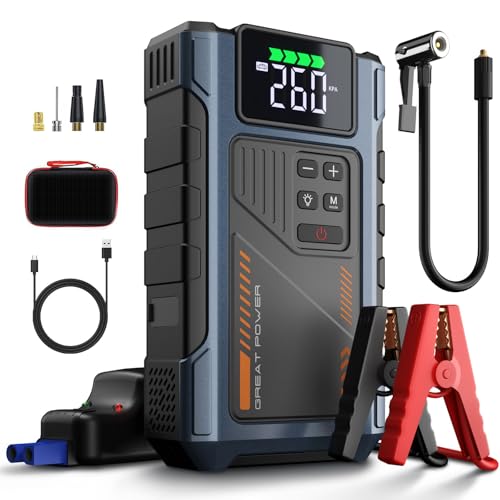 TOP CHOICEBest for jump starting and inflationCar Battery Charger Jump Starter with Air CompressorView on Amazon
- 3
 TOP CHOICEBest for older or neglected batteriesTowerTop 2/10/25 Amp 12V Smart Car Battery ChargerView on Amazon
- 4
 Best for shop and garage useSchumacher Electric 15A Car Battery Charger & MaintainerView on Amazon
- 5
 Best for fast chargingAZZUNOX 12V/24V Car Battery Charger MaintainerView on Amazon
- 6
 Best for lithium and sealed batteriesNOCO GENIUS2 2A Smart Battery ChargerView on Amazon
- 7
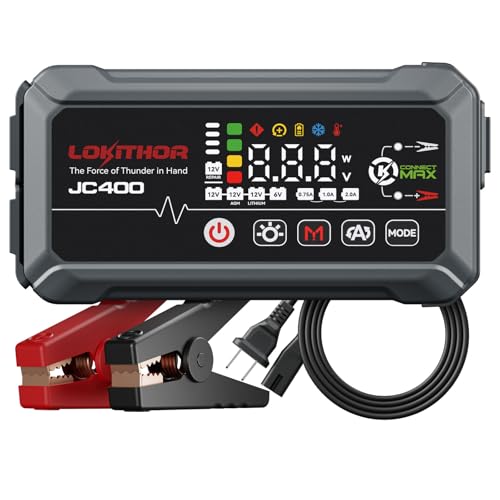 Best budget pickLOKITHOR JC400 Car Battery Charger & Jump StarterView on Amazon
Our Top Picks
Quick Comparison
| Product | Best for | Key feature |
|---|---|---|
| Vector VECBC4 4 Amp Battery Charger/Maintainer | Routine maintenance on a 6V or 12V battery | Manual 6V/12V selector |
| Car Battery Charger Jump Starter with Air Compressor | Roadside emergencies and tire inflation | Combined jump box and 150 PSI air pump |
| TowerTop 2/10/25 Amp 12V Smart Car Battery Charger | Weak or sulfated batteries | Auto desulfator and engine start |
| Schumacher Electric 15A Car Battery Charger & Maintainer | Shop and workshop charging | 15A boost with microprocessor control |
| AZZUNOX 12V/24V Car Battery Charger Maintainer | Fast recovery of drained batteries | Up to 50A fast charging with 12V/24V support |
| NOCO GENIUS2 2A Smart Battery Charger | Lead-acid and lithium (LiFePO4) batteries | Temperature compensation and force mode |
| LOKITHOR JC400 Car Battery Charger & Jump Starter | Budget-minded owners wanting charge plus jump | Multi-mode charger with 2500A jump capability |
Vector VECBC4 4 Amp Battery Charger/Maintainer
Vector VECBC4 4 Amp Battery Charger/Maintainer with 6V/12V Selector
Best for: Routine maintenance on a 6V or 12V battery
This is a good fit for owners who keep a car, motorcycle, lawn tractor, or boat stored for long stretches and want a dependable maintainer rather than a feature-heavy smart unit. The manual voltage selector makes it useful across several battery types in the same garage.
Key specs
- Output: 4 amp charger/maintainer
- Voltage: 6V and 12V selectable
Pros
- Simple, straightforward operation
- Handles both 6V and 12V batteries
- Well suited to keeping a stored battery topped off
Cons
- A 4 amp output is slow for recovering a deeply drained battery
- Fewer automatic protection features than smart chargers
Bottom line: Pick this if you mainly need reliable maintenance for stored vehicles or powersports batteries and want a simple, no-frills unit.
View on AmazonCar Battery Charger Jump Starter with Air Compressor
Car Battery Charger Jump Starter with Air Compressor, 4500A Jump Box for Car Battery Portable Jumper Cables with Battery Pack, 12V Jumpstart Combo 150PSI Tire Inflator Air Pump (8.5L Gas/7.0L Diesel)
Best for: Roadside emergencies and tire inflation
This combo unit suits drivers who want one device in the trunk that can jump a dead battery, charge a battery, and inflate a tire. It is especially practical for people who travel rural roads or keep a single emergency kit.
Key specs
- Jump starter rating: 4500A peak
- Integrated air compressor: 150 PSI maximum
- Vehicle compatibility stated for gas and diesel engines
Pros
- Covers jump starting, charging, and inflation in one unit
- Includes included jumper cables
- Useful for emergencies where no outlet is available
Cons
- Combo units compromise slightly on dedicated charger refinement
- Requires periodic recharging of the unit itself
Bottom line: A strong choice for drivers who want emergency power and air in a single device.
View on AmazonTowerTop 2/10/25 Amp 12V Smart Car Battery Charger
TowerTop 2/10/25 Amp 12V Smart Car Battery Charger, Fully Automatic Battery Maintainer with Engine Start, Auto Desulfator, Battery Repair, Winter Mode, for AGM, STD, Gel, Deep Cycle Batteries
Best for: Weak or sulfated batteries
This fully automatic smart charger is aimed at owners dealing with older batteries that have lost capacity. The desulfation and repair modes target sulfation buildup, and the adjustable current lets you choose a slower charge for maintenance or a faster one for recovery.
Key specs
- Selectable output: 2, 10, and 25 amp
- Voltage: 12V
- Battery types: AGM, standard, gel, and deep cycle
Pros
- Multiple amp settings for maintenance or recovery
- Desulfation and repair modes for aging batteries
- Winter mode for cold-weather charging
Cons
- Desulfation results vary with how damaged the battery is
- No 6V support
Bottom line: Best for owners reviving older 12V batteries who want automatic modes and a range of charge rates.
View on AmazonSchumacher Electric 15A Car Battery Charger & Maintainer
Schumacher Electric 15A Car Battery Charger & Maintainer, 6V/12V – SC1280 | 3A Trickle Charge, Restores Batteries, Fully Automatic & Microprocessor Controlled – Power Sport, Auto, Marine Batteries
Best for: Shop and workshop charging
Schumacher is a long-established name in battery chargers, and this 15 amp unit is aimed at people who regularly work on multiple vehicles or need stronger boost than a basic maintainer. The microprocessor control handles stages automatically.
Key specs
- Output: 15A boost, 3A trickle charge
- Voltage: 6V and 12V
- Fully automatic, microprocessor controlled
Pros
- Higher amperage for faster recovery
- Covers 6V and 12V batteries
- Strong brand reputation for garage use
Cons
- Larger footprint than compact maintainers
- Overkill for a single car kept in storage
Bottom line: Pick this if you charge batteries often and want the extra amperage a workshop calls for.
View on AmazonAZZUNOX 12V/24V Car Battery Charger Maintainer
AZZUNOX 12V/24V Car Battery Charger Maintainer, Max 50A Fast Charging | 250A Cranking Engine Starter, Auto Battery Maintainer, Desulfator, Repair & Winter Modes
Best for: Fast recovery of drained batteries
This unit is designed for owners who need a drained battery back in service quickly and want to handle both 12V passenger vehicles and 24V systems. Its high rated output sets it apart from standard maintainers.
Key specs
- Voltage: 12V and 24V
- Maximum fast-charging output: 50A
- Cranking engine starter rating: 250A
Pros
- High output for quick recovery
- Supports both 12V and 24V systems
- Includes desulfation and winter modes
Cons
- High output requires care with small batteries
- Less commonly documented by independent sources than long-established brands
Bottom line: Suited to owners who need the fastest charge rate and occasionally work with 24V equipment.
View on AmazonNOCO GENIUS2 2A Smart Battery Charger
NOCO GENIUS2 2A 6/12V Smart Battery Charger, Trickle Charger & Maintainer | Overcharge Protection, Desulfator, Temperature Compensation, Force Mode, For Lead-Acid (Wet, Gel, AGM) & Lithium (LiFePO4)
Best for: Lead-acid and lithium (LiFePO4) batteries
NOCO is widely known for compact smart chargers, and the GENIUS2 is aimed at owners who want one charger that handles wet, gel, AGM, and lithium chemistries. The temperature compensation is useful for batteries in unheated garages.
Key specs
- Output: 2A
- Voltage: 6V and 12V
- Battery types: lead-acid (wet, gel, AGM) and LiFePO4
Pros
- Supports lithium as well as lead-acid chemistries
- Overcharge protection and temperature compensation
- Compact and easy to store
Cons
- 2A output is slow for full recovery
- Force mode should be used cautiously on damaged batteries
Bottom line: Best for owners with mixed battery types or lithium packs who value protection features over raw speed.
View on AmazonLOKITHOR JC400 Car Battery Charger & Jump Starter
LOKITHOR JC400 2A/1A/750mA 6/12V Car Battery Charger & 2500A Jump Starter | Automotive Battery Maintainer, Trickle Charger and Desulfator, 12V Jump Box, Jumper Starter for Car 8.5L Gas/6.5L Diesel
Best for: Budget-minded owners wanting charge plus jump
This combination unit offers multiple charge modes and jump capability at a budget-friendly position in the lineup. It suits owners who want a backup jump starter with maintenance functions in one device.
Key specs
- Charge modes: 2A, 1A, and 750mA
- Voltage: 6V and 12V
- Jump rating: 2500A peak
Pros
- Combines maintainer and jump starter functions
- Selectable charge rates
- Covers 6V and 12V batteries
Cons
- Lower peak rating than some premium jump boxes
- Owner feedback on long-term durability is limited
Bottom line: A practical starting point for owners who want an emergency jump and light maintenance without a premium price.
View on AmazonBuying Guide
Battery Chemistry and Compatibility
Check whether the charger supports your battery type. Lead-acid batteries (flooded, AGM, and gel) are the most common in cars. Lithium iron phosphate (LiFePO4) batteries need a charger with a specific lithium profile, because applying a lead-acid charge curve can damage them. Confirm the charger’s stated chemistry support before buying.
Good picks for this: NOCO GENIUS2 2A Smart Battery Charger, TowerTop 2/10/25 Amp 12V Smart Car Battery Charger
Voltage Support: 6V, 12V, and 24V
Most passenger cars use 12V systems, but older vehicles, golf carts, and some equipment use 6V batteries. Heavy trucks and certain commercial equipment run 24V. A charger that handles more than one voltage is useful in a shared garage, but always confirm the voltage selection before connecting.
Good picks for this: Vector VECBC4 4 Amp Battery Charger/Maintainer, AZZUNOX 12V/24V Car Battery Charger Maintainer
Charge Rate (Amperage)
Amperage determines how quickly the charger moves energy into the battery. A 2 to 4 amp maintainer is ideal for keeping a stored battery topped off. A 10 to 15 amp charger recovers a discharged battery in a practical time frame. Higher outputs are useful in a workshop but can overheat a small battery if misused. Match the rate to the battery’s capacity, usually expressed in amp-hours.
Good picks for this: Schumacher Electric 15A Car Battery Charger & Maintainer, TowerTop 2/10/25 Amp 12V Smart Car Battery Charger
Protection Features
Look for overcharge protection, reverse polarity protection, short-circuit protection, and spark-proof connection design. Smart chargers that switch to float or maintenance mode after a full charge reduce the risk of overheating and gassing. These features matter most when the charger runs unattended for days or weeks.
Good picks for this: NOCO GENIUS2 2A Smart Battery Charger, Schumacher Electric 15A Car Battery Charger & Maintainer
Desulfation and Repair Modes
Sulfation, the buildup of lead sulfate crystals on battery plates, reduces capacity over time. Desulfation modes apply pulsed charging intended to break down these crystals. Results vary widely: a battery with severe physical damage or internal shorts will not recover. Treat desulfation as a possible rescue for a weak battery, not a guaranteed fix.
Good picks for this: TowerTop 2/10/25 Amp 12V Smart Car Battery Charger, AZZUNOX 12V/24V Car Battery Charger Maintainer
Portability and Extra Functions
If you need emergency use, a jump starter or air compressor adds value, but a combo unit may trade some charging refinement for convenience. Check the physical size, cable length, and whether the unit stores easily in a trunk or on a shelf.
Good picks for this: Car Battery Charger Jump Starter with Air Compressor, LOKITHOR JC400 Car Battery Charger & Jump Starter
Durability and Care
Keep the charger dry, cool, and away from direct engine heat. Inspect clamps and cables for corrosion before each use. Store the unit with cables coiled loosely to avoid stressing the connections. Regular cleaning of battery terminals improves charging efficiency and reduces the chance of poor contact.
Good picks for this: Vector VECBC4 4 Amp Battery Charger/Maintainer, NOCO GENIUS2 2A Smart Battery Charger
FAQ
Can a vector car battery charger fully recover a dead battery?
It can recover many discharged batteries, but a battery with physical damage, internal shorts, or severe sulfation may not return to full capacity. If a battery will not hold a charge after a full cycle, have it load-tested by a qualified shop.
Is it safe to leave a battery charger connected overnight?
Smart chargers with automatic float or maintenance modes are designed for long connection periods. Basic manual chargers without an automatic shutoff should be disconnected once the battery is full. Always check the manufacturer’s instructions.
What is the difference between a charger and a maintainer?
A charger delivers a higher current to recharge a depleted battery. A maintainer uses a low current to offset self-discharge and keep a battery at full charge. Many modern units do both automatically.
Which connection should I make first when charging?
Generally, connect the positive clamp to the positive terminal first, then connect the negative clamp to a grounded metal surface away from the battery. Disconnect in reverse order. Follow the manual for your specific charger, as procedures vary.
Can I use a 12V charger on a 6V battery?
Only if the charger has a voltage selector set to 6V or is rated for both voltages. Applying the wrong voltage can damage the battery or charger. Verify the battery’s label before connecting.
Do lithium batteries need a special charger?
Yes. Lithium iron phosphate batteries require a charger with a lithium charging profile. Some lead-acid chargers can damage lithium packs, so confirm the charger’s stated support for LiFePO4 before use. A qualified technician can advise on specific battery models.
Conclusion
For most owners, the Vector VECBC4 offers a simple maintainer for stored vehicles, while the TowerTop and NOCO units suit older or mixed-chemistry batteries. Workshop users with frequent charging needs may prefer the Schumacher 15A or AZZUNOX fast-charge model. For roadside readiness, the combination jump starter with air compressor covers the most scenarios in one unit. Match the charge rate, voltage, and chemistry support to your battery, and confirm the specifications in the manufacturer’s manual before connecting.
Sources
- Background on how lead-acid and lithium battery chemistries differ and how they should be charged (energy.gov)
- Electrical and battery safety guidance for charging stored energy systems (nfpa.org)
- Workplace guidance on handling batteries and preventing hazards such as hydrogen gas buildup (osha.gov)
Related reading
- Solar Powered Car Battery Trickle Charger: 8 Best Picks for Every Need (2026)
- Solar Car Battery Charger: A Step-by-Step Guide for Beginners
- Solar Battery Trickle Charger for Car: 7 Best Picks for Every Need (2026)
About Lauren Holland
Lauren Holland is part of our editorial team and reviews and edits our car care & garage supplies guides, checking product details against manufacturer specifications and owner feedback.