Choosing a car cover depends on where you park and what you want to protect against. Indoor covers guard against dust and light scratches, while outdoor covers must handle rain, snow, sun, and wind. The fabric’s breathability versus waterproofness directly affects whether moisture gets trapped against the paint, so understanding these trade-offs is essential before you buy.
How Indoor and Outdoor Covers Work
Indoor covers are designed for garage or storage use. They are typically lightweight and soft, meant to keep dust, pollen, and accidental bumps off the paint. Since the environment is controlled, they do not need to repel water or resist UV rays. Their main job is to prevent scratches from dust or light contact.
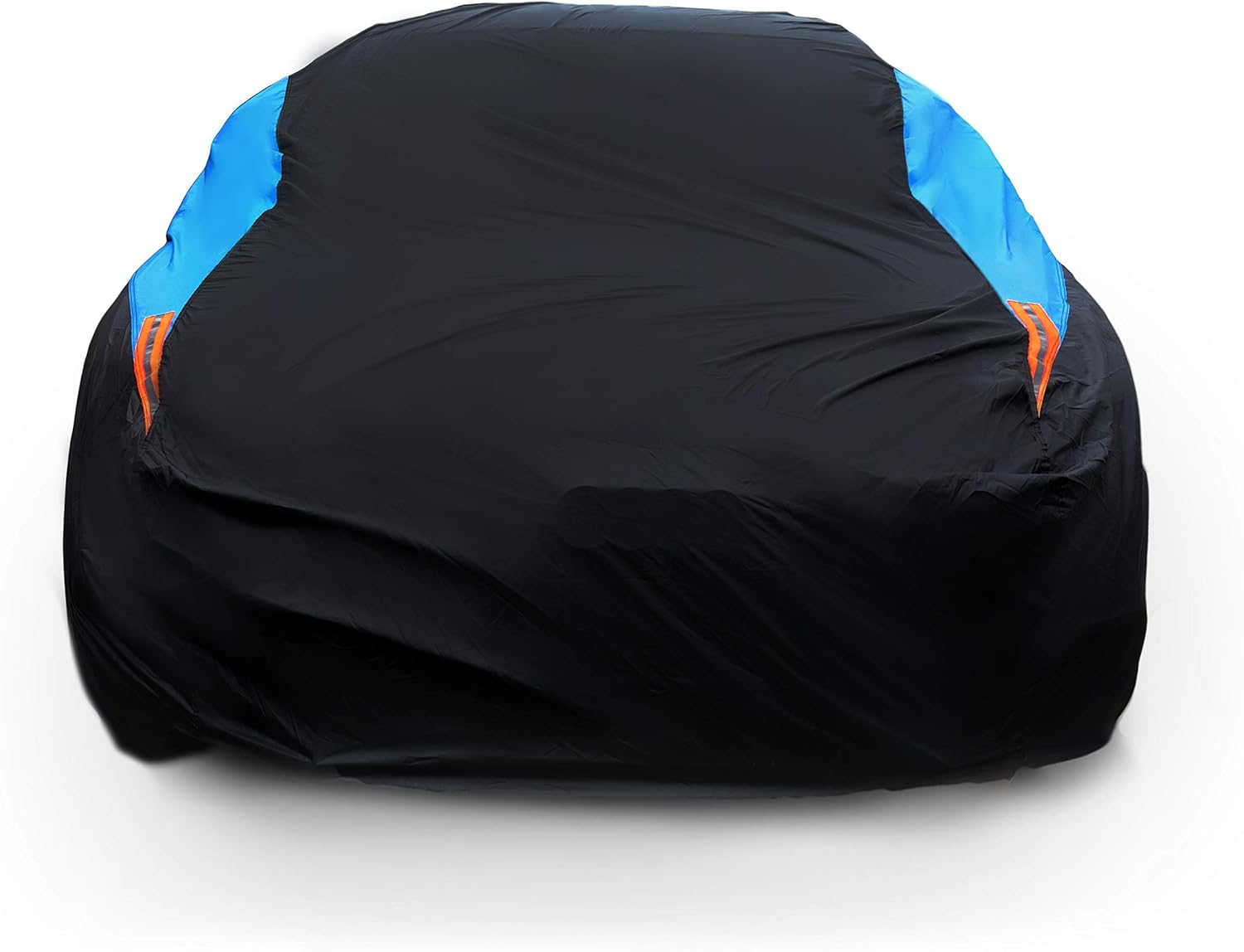
Outdoor covers face a much tougher job. They must shed rain and snow, block ultraviolet light, resist wind, and handle temperature swings. Outdoor covers are heavier, often with multiple layers. A typical outdoor cover has a soft inner layer that rests against the paint, a middle layer for insulation or moisture management, and a tough outer layer that repels water and resists tearing.
Some outdoor covers are fully waterproof, while others are water-resistant and rely on breathability to let moisture escape. The choice between these two depends on your climate and how long the cover will stay on the car.
Breathable vs Waterproof Fabrics
Breathable fabrics allow air and water vapor to pass through. This is important because condensation can form under a cover when temperatures change. If moisture cannot escape, it can sit on the paint and lead to rust, corrosion, or mildew. Breathable covers are ideal for humid climates or long-term storage where the car may not be uncovered for weeks.
Waterproof fabrics block liquid water entirely. They are excellent for rain and snow, but they can trap moisture underneath if the cover is not also breathable. Many modern outdoor covers use a waterproof membrane that is also breathable, often called a “breathable waterproof” fabric. These combine the best of both worlds but cost more.
Fabric construction also matters. Non-woven fabrics are common in budget outdoor covers; they are water-resistant but not fully waterproof and have limited breathability. Woven fabrics with a laminated membrane offer better breathability and waterproofness. Multi-layer covers use a combination of materials to achieve both properties. Always check the manufacturer’s description for breathability ratings or specifications.
If you live in a dry climate, a breathable water-resistant cover may be sufficient. In wet or snowy areas, a waterproof cover with breathability is a better choice. For long-term outdoor storage, a breathable waterproof cover prevents trapped moisture from damaging the paint.
Side-by-Side Comparison Table
| Aspect | Indoor Cover | Outdoor Cover |
|---|---|---|
| Primary protection | Dust, light scratches | Rain, snow, sun, wind |
| Fabric weight | Lightweight, soft | Heavy-duty, multi-layer |
| Breathability | Usually high | Varies; breathable options preferred |
| Water resistance | None or minimal | Waterproof or water-resistant |
| Straps and tie-downs | Rare | Common (elastic hems, straps) |
| Mirror and antenna pockets | Optional | Common |
| Sizing options | Universal to custom | Universal to custom |
| Typical cost | Lower | Higher |
This table highlights the main differences. Your choice depends on where the car is parked and what weather it faces.
When an Indoor Cover Is the Better Choice
An indoor cover makes sense if you have a garage, carport, or enclosed storage. It protects against dust, pollen, and minor bumps without the need for heavy waterproofing. Indoor covers are also easier to handle, fold, and store because they are lighter.
If you have a classic car, a show car, or a vehicle that you only drive occasionally, an indoor cover keeps it clean between drives. It also reduces the need for frequent washing. For daily drivers parked in a garage, an indoor cover is optional but can keep the interior and exterior cleaner.
Indoor covers are typically less expensive than outdoor covers, so they are a good value if you do not need weather protection. They also take up less storage space when not in use.
When an Outdoor Cover Is the Better Choice
An outdoor cover is necessary if your car sits outside, whether in a driveway, on the street, or in an uncovered lot. It protects against rain, snow, hail, bird droppings, tree sap, and UV rays. Outdoor covers are also useful for long-term storage in a yard or during winter months.
If you live in an area with harsh sun, an outdoor cover with UV protection helps prevent paint fading and interior damage. In snowy climates, a cover that sheds snow and resists ice is important. Outdoor covers with built-in straps and tie-downs resist wind, preventing the cover from blowing off and scratching the paint.
For vehicles that are parked outside full-time, invest in a high-quality outdoor cover with breathable waterproof fabric. It will last longer and protect better than a cheap cover that traps moisture. Wind concerns are real: a loose cover can flap and cause paint abrasion. Proper straps and a snug fit minimize this risk.
Sizing, Fit and Installation
Car covers come in three fit categories: universal, semi-custom, and custom. Universal covers are sized by vehicle class (compact, midsize, SUV, truck) and use elastic hems to create a snug fit. They work for many models but may not cover mirror or antenna protrusions perfectly.
Semi-custom covers are shaped to fit a specific body style, such as sedan or hatchback, and often include mirror pockets and antenna pockets. They provide a better fit than universal covers without the cost of a full custom cover.
Custom covers are made to the exact dimensions of your vehicle, including mirrors, antennas, spoilers, and other features. They offer the best fit and protection but cost more and may take longer to produce.
When measuring your car for a cover, follow the manufacturer’s sizing guide. Measure the overall length, width including mirrors, and height. Compare these measurements to the cover’s size chart. A cover that is too loose can flap in the wind and cause scratches, while one that is too tight may stress seams or not cover the bumpers fully.
Mirror pockets and antenna pockets are common on semi-custom and custom covers. They prevent the cover from lifting around the mirrors and reduce stress on the fabric. If your antenna is removable, you can take it off before covering to avoid damage. Some covers have a reinforced patch for a fixed antenna.
For outdoor covers, straps and tie-downs are essential. Look for covers with an elastic hem that hugs the car’s shape, plus additional straps that go under the car or attach to the wheels. Some covers have grommets for a cable lock, which also helps secure the cover in wind and deters theft. Always follow the manufacturer’s instructions for installing straps to avoid damaging the paint or undercarriage.
Before putting on any cover, wash and dry your car thoroughly. Dirt and grit on the paint act like sandpaper when the cover rubs against them. A clean, dry car ensures the cover protects rather than scratches. Pay attention to areas around wheel wells and the lower body where dirt accumulates.
Upkeep and Long-Term Ownership
Car covers require regular care to stay effective. Remove the cover periodically to air out the car and the cover itself. This prevents moisture buildup and allows you to check for any dirt or debris under the cover. In humid climates, weekly airing is a good practice.
When not in use, store the cover in a dry place. Many covers come with a storage bag. Fold the cover loosely rather than compressing it tightly, which can damage the fabric or coating. Keep it away from direct sunlight and moisture to prevent mildew.
Clean the cover according to the manufacturer’s instructions. Most covers can be hand-washed or machine-washed on a gentle cycle with mild detergent. Avoid fabric softeners, which can reduce breathability and water repellency. Air-dry the cover completely before storing or putting it back on the car. Never put a wet cover on the car, as it can trap moisture and cause paint issues.
Over time, the water repellent coating on an outdoor cover may wear off. You can restore it with a spray-on fabric treatment designed for outdoor gear. Check the cover’s seams and elastic for wear each season. Replace a cover that shows significant fading, tearing, or loss of elasticity.
Wind can be a concern with outdoor covers. A properly fitted cover with straps and tie-downs stays in place in moderate wind. In extreme wind, consider removing the cover to prevent damage to the paint or the cover itself. Some covers include a cable lock that loops through grommets and under the car to deter theft and wind lift.
FAQ
Can I use an indoor cover outside?
Indoor covers are not designed for weather exposure. They lack waterproofing, UV resistance, and wind straps. Using one outdoors can damage the cover and your car’s paint. If you need to park outside, choose an outdoor cover.
How do I prevent moisture under a waterproof cover?
Look for a cover that is both waterproof and breathable. These covers use membranes that block liquid water while allowing vapor to escape. If you already have a non-breathable waterproof cover, remove it periodically to let the car dry out, especially after rain or temperature changes.
What size cover do I need for my truck or SUV?
Measure the overall length, width including mirrors, and height of your vehicle. Compare these to the manufacturer’s size chart. Trucks and SUVs often require a large or extra-large universal size, but a semi-custom or custom cover provides a better fit, especially if you have a bed cap or roof rack.
How do I keep the cover from blowing off?
Use a cover with an elastic hem and additional tie-down straps that go under the car. Some covers have a buckle strap system that secures around the middle of the vehicle. For extra security, use a cable lock through the grommets. Always follow the manufacturer’s installation instructions.
Final Thoughts
Choosing between an indoor and outdoor car cover comes down to where you park and what you need to protect against. Breathable fabrics are important for avoiding trapped moisture, while waterproofing is key for outdoor use. A cover that fits well, with mirror pockets and secure straps, will protect your car without causing scratches. Keep the car clean before covering, store the cover properly, and inspect it regularly to get the longest service life. For more details on specific cover types, browse our guide to car covers and other exterior accessories.