When you look for a car detailing kit, it is easy to be drawn in by large, colorful packages that promise everything you need. In reality, many pre-assembled kits contain small bottles, cheap towels, and novelty sprays that run out quickly or leave streaks. A genuinely useful detailing kit focuses on a handful of high-use items that let you wash, dry, clean the interior, and protect the finish. Understanding what those core items are—and what you can skip—helps you build or choose a set that actually saves time and effort. This guide walks through the essentials grouped by task, points out common filler, and shows how to organize your products for the long haul.
Core Items for a Useful Detailing Kit
A complete kit should cover exterior washing, interior care, glass cleaning, and surface protection. The following checklist groups those items by category so you can see at a glance what belongs in a practical setup.
Exterior Wash System
The foundation of any detailing session is a reliable wash method. You need two buckets—one for soapy water and one for rinsing your mitt. Each bucket should have a grit guard, which is a plastic grid that drops to the bottom. The grit guard traps dirt particles so they do not get swirled back onto your paint when you dip the mitt. Without a grit guard, you risk scratching the clear coat.
Use a dedicated car wash soap that is pH-balanced. Dish soap strips wax and dries out rubber trim, so stick with a product labeled for automotive use. A wash mitt made of microfiber or natural lambswool is ideal; it holds plenty of suds and lifts dirt away from the surface. Avoid sponges with large open cells, as they can trap grit.
For wheels and tires, you need a separate cleaner and a dedicated brush. Wheel cleaners are formulated to break down brake dust without harming painted or clear-coated wheels. A brush with stiff nylon bristles reaches into lug nut cavities and along the barrel. Never use the same mitt or bucket on wheels that you use on the paint, because wheel grime contains abrasive particles.
Drying Towels
After rinsing, drying quickly prevents water spots. A large, plush microfiber drying towel (often called a waffle weave or twist-loop towel) absorbs several times its weight in water. You can also use a synthetic chamois or a dedicated drying cloth, but microfiber is gentle and leaves no lint. Have one clean towel for the body and a separate, older towel for door jambs and sills.
Interior Cleaning Supplies
The interior requires a few targeted products. An all-purpose interior cleaner works on vinyl, plastic, and leather surfaces. Spray it onto a microfiber towel—not directly onto the dashboard—to avoid overspray on windows. For upholstery and carpet, a dedicated fabric cleaner or a low-moisture foam is safer than soaking the material. You also need a soft-bristle brush to agitate dirt from floor mats and seat fabric.
Leather seats benefit from a cleaner that is pH-balanced for leather, followed by a conditioner if the manufacturer recommends it. Check your owner’s manual first; some modern leather coatings do not need conditioning.
Glass Cleaner and Towels
Streak-free windows require a cleaner that does not leave residue. An ammonia-free glass cleaner is safe for tinted windows. Use a separate set of microfiber towels for glass—ideally a waffle-weave or a lint-free cloth dedicated only to windows. Even clean towels can transfer wax or polish residue that causes haze.
Microfiber Towels in Bulk
You cannot have too many good microfiber towels. Expect to use at least four or five during a typical wash and detail: one for the paint (wash mitt is separate), one for drying, one for interior, one for glass, and one for wheels and tires. Buy towels with different pile heights or colors and label them by task. High-quality 300–400 GSM (grams per square meter) towels are suitable for paint; lower-GSM towels work for wheels and jambs. More information on selecting the right cloth can be found on our page about microfiber towels for cars.
Wax, Sealant, or Ceramic Coating
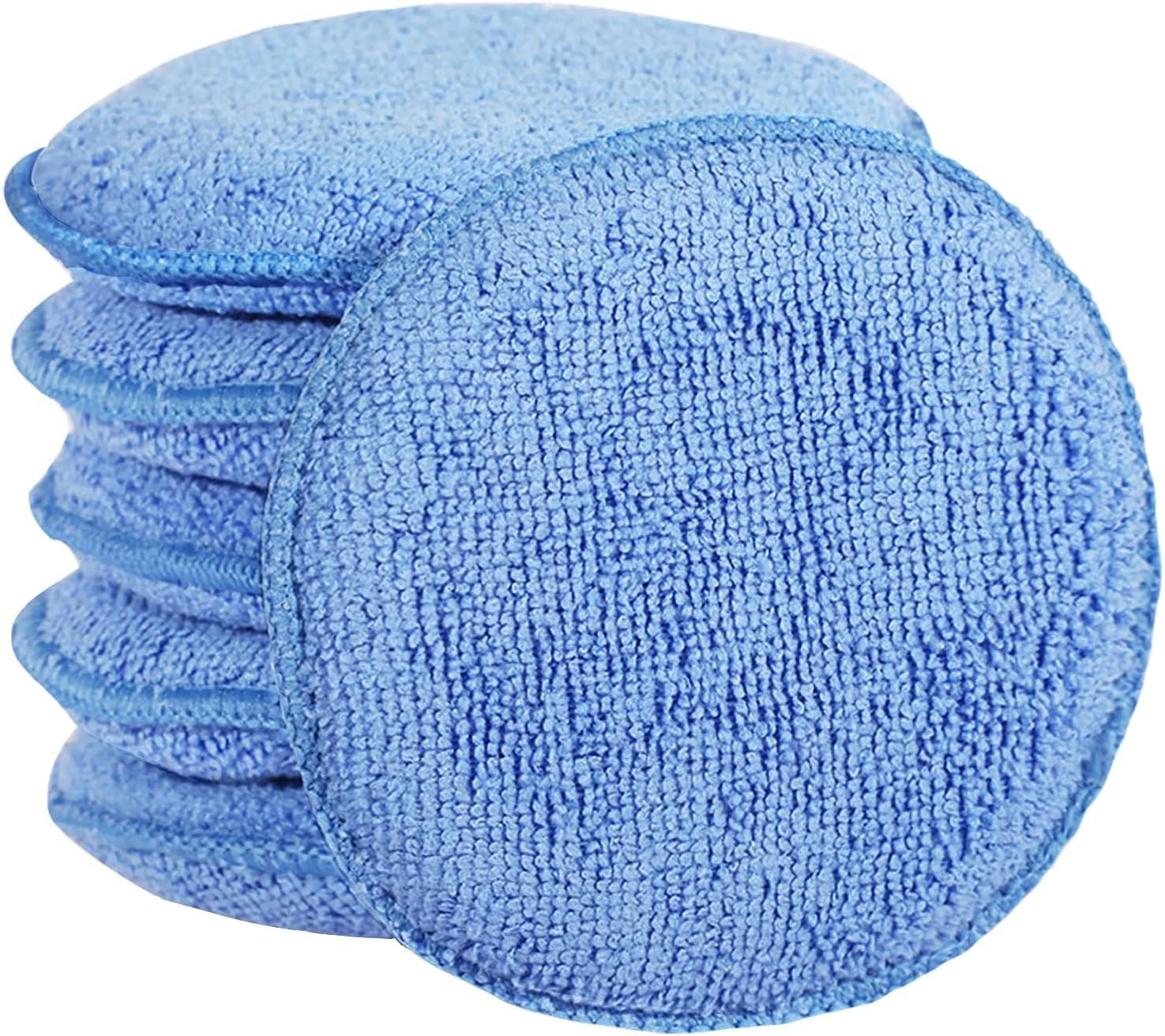
Protection is the last step after washing and drying. A spray wax or sealant is the easiest for beginners and can be applied quickly after every wash. Paste waxes last longer but take more effort. Ceramic spray coatings offer months of protection and a deep gloss, though they require careful application and curing. Whichever you choose, make sure you have a set of applicator pads or foam blocks dedicated to product application, plus a separate set of buffing towels to remove residue.
What You Can Skip (Common Filler)
Many store-bought detailing kits include items that are either low quality, redundant, or rarely used. Recognizing these helps you avoid spending money on what you will eventually throw away.
- Sample-size bottles – Tiny bottles of wax, tire shine, or interior spray run out after one or two uses. You either repurchase at full retail or never get enough coverage. A useful kit uses full-size containers or concentrates you mix yourself.
- Low-quality microfiber towels – Kits often include one or two scratchy, thin cloths that shed lint. These towels are acceptable for wiping engine bay grime or door jambs, but they should not touch paint or glass. You are better off buying a pack of dedicated towels separately.
- Scented sprays or air fresheners – A novelty pine tree or a small bottle of “new car” spray adds nothing to the cleaning process. It is fine if you enjoy the scent, but it does not replace actual cleaning.
- Multi-surface sprays that claim to do everything – Such products often leave a greasy film on glass or a dull residue on plastic. A few dedicated cleaners (interior, glass, wheel) work better than one all-in-one spray.
- Tire dressing aerosol cans – These can overspray onto paint and are difficult to apply evenly. A gel or wipe-on dressing gives you more control and lasts longer.
If a kit contains more than one or two of these filler items, it is likely not worth the package price. Instead, consider assembling your own set from individual products.
Building Your Own Kit
Putting together your own detailing kit lets you choose exactly what you need and avoid the clutter of unwanted extras. Follow these steps to create a custom set that suits your vehicle and your routine.
Step 1: Start with the Wash Station
Purchase two buckets that are large enough to hold a full wash mitt and have a pour spout for easy emptying. Add two grit guards and a bottle of car wash soap that lathers well and rinses clean. Pick one wash mitt for paint and a second, cheaper mitt or brush for wheels.
Step 2: Gather Drying and Detailing Towels
Buy a large drying towel and at least six to eight general-purpose microfiber towels in a weight suitable for your tasks (300–400 GSM for paint, lower GSM for glass and wheels). If you plan to apply wax or sealant, add two more towels for buffing and a foam applicator pad.
Step 3: Choose Interior Cleaners
Select an all-purpose interior cleaner that can handle dashboards, door panels, and vinyl. For glass, get an ammonia-free glass cleaner. If you have leather, buy a dedicated leather cleaner (and conditioner if needed). A stiffer brush for carpets and a soft brush for vents and leather are useful additions.
Step 4: Pick a Wheel and Tire Setup
Wheel cleaner comes in acid-based and pH-neutral formulas. Acid-based cleaners are strong but require careful handling; pH-neutral is safer for all wheel finishes. Use a separate bucket, brush, and towel for wheels to avoid cross-contamination. Tire dressing is optional, but a gel or water-based product is easier to apply and lasts through multiple washes.
Step 5: Add Protection
Choose one protection product: a spray wax, a paste wax, a sealant, or a ceramic spray. Read the instructions for cure times and application methods. Most should be applied in the shade on a cool panel, and many need time to cure before they get wet. Check the manufacturer’s label before you start.
Step 6: Organize Your Supplies
Use a plastic caddy or a tool box to keep bottles upright and towels separate. Label your towels with a permanent marker or use colored microfiber towels for different tasks (blue for paint, yellow for glass, red for wheels). Store liquids away from extreme heat or freezing temperatures, and keep towels in a sealed container to prevent dust and oil contamination.
For a comprehensive walkthrough of the entire process, see our guide on how to wash a car at home.
Quick-Reference Table: Essential vs. Skip
Use this table to quickly identify what should be in your kit and what is usually waste.
| Category | Essential Items | Common Filler to Avoid |
|---|---|---|
| Exterior Wash | Two buckets with grit guards, car wash soap, wash mitt, wheel cleaner, wheel brush | Single bucket with no grit guard, dish soap, cheap sponge |
| Drying | Large microfiber drying towel | Scratchy chamois, small “free” cloths |
| Interior | All-purpose cleaner, fabric cleaner, soft brush, leather products if needed | Multi-surface sprays, scented air fresheners, small sample bottles |
| Glass | Ammonia-free glass cleaner, dedicated glass towel | Multi-surface spray that leaves film |
| Towels | At least 6–8 high-quality microfiber towels in various weights | One or two low-GSM lint-shedding towels |
| Protection | Spray wax, paste wax, sealant, or ceramic spray; applicator pads; buffing towels | Novelty “as seen on TV” waxes, tiny single-use packets |
Storing Your Detailing Kit
Proper storage keeps your products effective and your towels ready for use. Keep all chemicals in a cool, dry place out of direct sunlight. Microfiber towels should be washed separately from cotton rags using a detergent that has no fabric softener or dryer sheets. After washing, air dry or tumble dry on low heat. Store clean towels in a sealed bin or zip-top bag so they stay free of dust and garage grime. For more tips on interior care, read our guide on car interior cleaning tools.
Make a habit of rinsing your buckets after each use and letting them dry upside down. Replace wash mitts and applicator pads when they show signs of fraying or flattening. A well-maintained kit will serve you for many cleanings without needing to restock constantly.
Top Picks to Compare
If you would rather start from a short list, these are popular options on Amazon for this search. Check each listing’s details, size and current price before you buy.


FAQ
Can I use dish soap to wash my car?
Dish soap is not recommended because it strips wax and can dry out rubber seals. Use a dedicated car wash soap that is pH-balanced to protect the paint and existing protection.
How many microfiber towels do I need for a full detail?
A practical minimum is six to eight towels: one for washing (the mitt), one for drying, one for interior, one for glass, one for wheels, and two for applying and buffing wax or sealant. Having extras ensures you always have a clean one for each task.
Is a ceramic spray coating better than wax?
Ceramic spray coatings typically last longer than wax—often several months—and provide a harder surface that repels water and dirt. Wax offers a deeper, warmer shine but may need reapplication every few washes. The best choice depends on how much time you want to spend on protection and your preference for appearance.
Should I buy a pre-assembled kit or build my own?
Building your own gives you control over quality and avoids filler items. If you are a beginner and find a kit that contains only the essentials listed above—two buckets, grit guards, soap, a good mitt, multiple towels, glass cleaner, interior cleaner, and a spray wax—it can be a convenient start. Read the product description carefully to ensure no small bottles or cheap towels are included.
Assembling a useful detailing kit comes down to choosing the right tools for each task and ignoring the extras that add bulk but not value. Focus on the wash station, high-quality towels, and a protection product that fits your schedule. Once you have those pieces in place, maintaining your car’s appearance becomes a straightforward process. For a deeper look into the broader category, visit our guide to detailing kits and the full car care and detailing section.