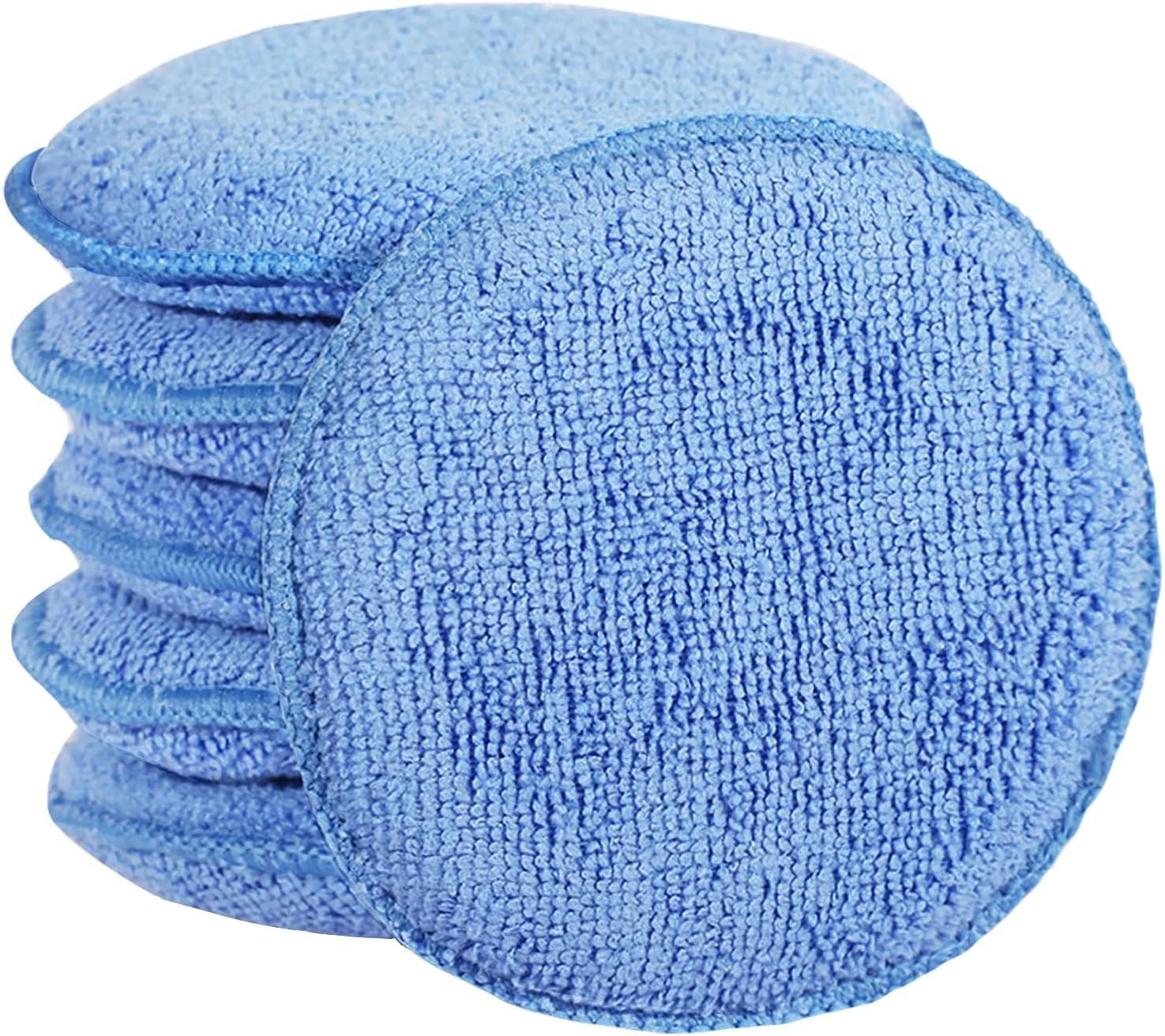
If you are deciding between car wash brushes and wash mitts, the short answer is that a soft microfiber wash mitt is safer for painted panels, while brushes earn their place on tall vehicles, wheels, and tires. The right choice depends on what you are cleaning and how much reach you need. This guide explains how each tool works and where a brush is worth adding to your bucket.
The Short Answer
Body brushes can trap grit between bristles and drag it across the paint, which causes fine scratches called swirl marks. A wash mitt lifts dirt into the fibers and keeps it away from the surface, especially when you use the two-bucket method. That makes mitts the gentler option for the main body panels.
Brushes are still useful. A long-handle brush brings the roof of a truck or SUV within reach without a stepladder. Wheel brushes and spoke brushes clean brake dust out of tight areas, and a stiff tire brush scrubs rubber sidewalls without touching paint. The key is to match the bristle stiffness to the surface and keep separate tools for wheels and paint. Before you start, follow the vehicle owner’s manual and the product manufacturer’s instructions for any soap or cleaner you use. For a full step-by-step approach, see the guide on how to wash a car at home.
How Each Option Works
Soft bristle body brushes
Soft bristle brushes are designed for gentle contact with painted surfaces. They typically have dense synthetic bristles that hold plenty of soapy water, which helps lubricate the surface during the wash. The risk is that bristles also hold dirt. Once a brush picks up grit from a lower panel or a grimy rear hatch, that grit can scratch the next panel it touches. If you use a body brush, keep it dripping with soapy water, rinse it often, and use it only on surfaces that have already been rinsed free of loose dirt.
Body brushes help on large flat areas where a mitt is awkward, like the center of a hood or the roof of a tall vehicle. They are not the best tool for a full paint wash when you care about minimizing swirls.
Wash mitts
A wash mitt is typically made of microfiber or chenille and slips over your hand. The plush fibers trap dirt inside the mitt rather than letting it roll across the paint. When you use two buckets, you dip the mitt in the soap bucket, wash a panel, then swish the mitt in the rinse bucket to drop the dirt before re-soaping. That keeps the dirty water away from the wash bucket and reduces the chance of scratching. Pair a good mitt with a quality drying towel; see the microfiber towels for cars guide for drying advice.
For most people, a mitt is the safer everyday choice for hoods, doors, fenders, and rear panels. It gives you direct feel for the surface and is easier to rinse thoroughly between panels.
Long-handle brushes for trucks and SUVs
Long-handle brushes extend your reach so you can wash a roof or upper body panels while standing on the ground. They are the practical answer for trucks, SUVs, vans, and any vehicle with a tall roof. The brush head may have soft bristles, a foam pad, or a combination. A soft-bristle head works like a body brush but with more leverage; a foam head holds soapy water and glides over the surface with less agitation.
The same grit warning applies. Rinse the head in a bucket or with a hose between sections, and do not drag it across the paint when it is dry or loaded with dirt.
Wheel brushes and spoke brushes
Wheels collect brake dust, road film, and tar that ordinary car wash soap may not loosen. Wheel brushes come in several shapes: a wide brush for the face of the wheel, a narrower brush that fits between spokes, and a small detailing brush for lug nuts and tight corners. Some have angled handles to reach the inner barrel.
Choose a wheel brush labeled as safe for clear-coated wheels, because many factory wheels have a clear coat that can scratch just like paint. Brake dust can contain fine metal particles, so wear gloves and avoid breathing dust when you clean wheels. Follow the product instructions for any wheel cleaner you combine with the brush.
Tire brushes
Tire brushes have stiffer bristles than body or wheel brushes because rubber sidewalls can handle more scrubbing. They remove caked-on mud, old tire dressing, and yellowing grime from the rubber. Use them only on tires, never on paint, wheel faces, or clear coat. If a tire brush has a stiff bristle on one side and a softer one on the other, use the softer side for lower sidewalls and the stiff side for tread and deep grooves. Keep this brush separate from every paint-contact tool.
Side-by-Side Comparison Table
| Tool | Best for | Bristle stiffness | Paint safety | Notes |
|---|---|---|---|---|
| Soft body brush | Roofs, hoods, large panels | Soft | Moderate risk if grit gets trapped | Keep wet and rinse frequently |
| Wash mitt | Painted body panels | Not a brush | High when used with two buckets | Best all-around paint tool |
| Long-handle brush | Truck and SUV roofs and upper panels | Soft to medium | Same grit risk as a body brush | Adds reach without a ladder |
| Wheel brush | Wheel faces, spokes, lug nuts | Soft to medium | Never use on paint | Choose a shape that fits your wheels |
| Tire brush | Rubber sidewalls and tread | Stiff | Never use on paint or clear coat | Keep separate from other brushes |
When a Body Brush Is the Better Choice
Choose a soft body brush when reach is the main problem. On a tall truck or SUV, leaning over the roof with a mitt is awkward and puts stress on your back. A long-handle brush lets you stand upright and work across the roof and upper body panels without a ladder. It is also handy for rinsing and washing large flat surfaces quickly when you are not worried about perfect gloss.
A body brush can also help on textured surfaces like plastic bed liners, lower cladding, or grille areas where a mitt cannot get into the gaps. For those jobs, keep the brush dedicated to that purpose and rinse it well before moving near painted panels.
When a Wash Mitt Is the Better Choice
Choose a wash mitt for everyday paint washing if you want the lowest scratch risk. The two-bucket method with a mitt is widely accepted as the safest hand-wash approach for clear coat finishes. Use it on hoods, doors, fenders, and any large smooth area. You also get better control around mirrors, door handles, and trim because your hand is directly on the surface.
If your vehicle has a soft or matte finish, a mitt is the safer choice over any brush. Matte paint and vinyl wraps scratch more easily, and a brush can leave visible marks. Follow the manufacturer’s care instructions for those finishes. For a complete setup, the car detailing kit guide can help you gather the right tools.
Separate Tools for Wheels and Paint
Brake dust is the main reason to keep wheel tools separate. It contains fine metal and carbon particles that are abrasive to clear coat. If you use the same brush on a wheel and then on a painted fender, you can grind that debris into the paint. Keep at least three separate tools: one for paint, one for wheels, and one for tires. Color-coding handles or labeling each brush makes it easy to grab the right one, even in a busy garage.
Use the same rule for buckets, mitts, and drying towels. A wheel-only mitt or sponge prevents cross-contamination. Store wheel and tire brushes away from body brushes so they do not drip onto clean tools. The car care and detailing section has more on building a safe wash routine.
Upkeep and Long-Term Ownership
Brushes last only as long as they stay clean and well maintained. After each use, rinse the brush thoroughly with water until it runs clear. For body brushes, work some mild soap through the bristles to release trapped dirt and oils. For wheel and tire brushes, you may need to agitate the bristles to loosen brake dust and rubber residue. Follow the brush manufacturer’s cleaning instructions when they are available.
Let brushes dry completely before storing. Hang them bristle-side down or stand them upright so the bristles do not stay bent. Store them away from direct sunlight and heat, which can dry out and crack synthetic bristles. Check regularly for loose, broken, or pulled bristles; if a brush starts shedding, it can leave scratches and is no longer worth using.
Do not soak brushes in strong solvents or harsh cleaners unless the label says it is safe. Aggressive chemicals can damage the bristles and the handle. A simple rinse and dry routine after every wash is enough to keep most brushes in good condition.
FAQ
Can I use a car wash brush on my paint?
Yes, but only a soft-bristle brush, and only if you keep it dripping with soapy water and rinse it often. A wash mitt is gentler for the main painted panels because it traps dirt in the fibers instead of dragging it across the surface.
Are wheel brushes safe for all wheels?
Many wheel brushes are safe for clear-coated wheels, but check the product manufacturer’s instructions before you buy or use one. Match the brush size and shape to your wheel design, and never use a tire brush or stiff brush on a wheel face.
How do I clean car wash brushes after use?
Rinse each brush with water until the water runs clear, wash the bristles with mild soap, and let the brush dry completely before storing. Keep wheel and tire brushes separate from body brushes so grit does not transfer.
Do I need separate brushes for wheels and paint?
Yes. Brake dust contains abrasive metal particles that can scratch clear coat. Use dedicated brushes for paint, wheels, and tires, and label them so you do not mix them up.
Car wash brushes are not inherently bad; they just need the right job. Use a mitt for paint, a long-handle brush for tall roofs, and dedicated brushes for wheels and tires. Rinse every tool after each wash and store it dry, and your equipment will stay ready for the next time.