By Lauren Holland
Updated November 2026
Choosing a car wax polishing tool comes down to how much paint you need to cover, how much time you want to spend, and how much control you need over pressure and speed. A small hand-held pad works fine for a weekend touch-up on a sedan, while a dual action or rotary machine makes more sense for a full-size SUV or a car with heavy oxidation. This guide compares seven products across power source, pad compatibility, speed range, and ease of use, using manufacturer specifications and the patterns owners commonly report, so you can match a tool to your garage and your skill level.
Our top picks at a glance
- 1
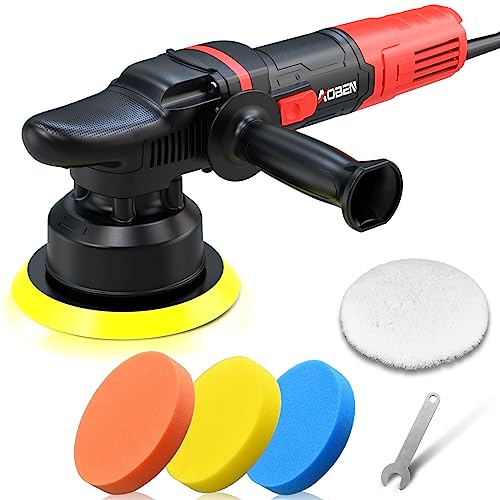 TOP CHOICEBest overallAOBEN Car Buffer Polisher,6 inch Dual Action Polisher,Random Buffer PoView on Amazon
- 2
 TOP CHOICEBest for cordless convenienceProtmex Cordless Car Buffer Polisher w/ 2x2000mAh 21V Batteries, OrangView on Amazon
- 3
 TOP CHOICEBest for heavier paint correctionLDHTHOPI Buffer Polisher, 1600W 7 Inch/6 Inch Rotary Buffer Polisher WView on Amazon
- 4
 Best for hand applicationFONAROLL Microfiber Wax Applicator Pads, Car Wax Applicator, Buffing &View on Amazon
- 5
 Best for battery-powered detailingcotaros Cordless Car Buffer Polisher, 8-Speed, 2*21V 2000mAh BatteriesView on Amazon
- 6
 Best budget pickOFISPEED Buffer Polisher, 1600W Rotary Car Buffer, 6 Inch/7 Inch, BlueView on Amazon
- 7
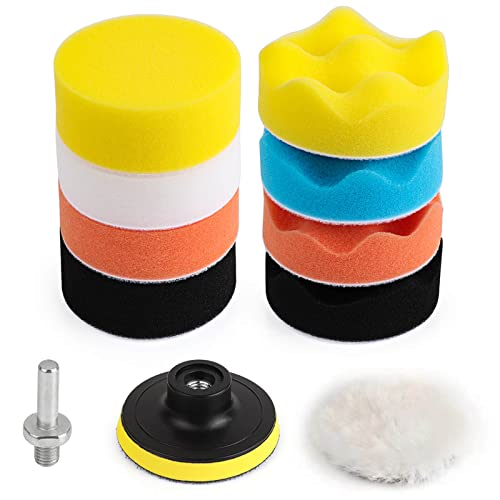 Best for drill-powered waxingKshineni 3 Inch Drill Buffing Pad, 11 Pcs Car Foam Polishing Pads Kit,View on Amazon
Our Top Picks
| Product | Best for | Key feature |
|---|---|---|
| AOBEN Car Buffer Polisher | Most home garages | Six variable speeds, 1000–4500 RPM |
| Protmex Cordless Car Buffer Polisher | Driveway detailing without a cord | Two 21V batteries and 18 extra attachments |
| LDHTHOPI Buffer Polisher | Heavier correction work | 1600W motor with 7 speeds |
| FONAROLL Microfiber Wax Applicator Pads | Hand waxing and small areas | Six 5-inch foam applicator pads |
| cotaros Cordless Car Buffer Polisher | Owners who want cordless freedom with an LED readout | 8 speeds, 2×21V batteries, random orbital action |
| OFISPEED Buffer Polisher | Budget-conscious buyers | 1600W rotary, 6 or 7 inch pad options |
| Kshineni 3 Inch Drill Buffing Pad Kit | Quick jobs with a drill you already own | 11-piece foam pad kit for drill attachment |
AOBEN Car Buffer Polisher,6 inch Dual Action Polisher,Random Buffer Polisher kit with 6 Variable Speed 1000-4500rpm,Detachable Handle,4 Buffing Pads for Car detailing Polishing and Waxing
AOBEN Car Buffer Polisher,6 inch Dual Action Polisher,Random Buffer Polisher kit with 6 Variable Speed 1000-4500rpm,Detachable Handle,4 Buffing Pads for Car detailing Polishing and Waxing
AOBEN Car Buffer Polisher, 6 Inch Dual Action Polisher with 4 Buffing Pads
Best for: Most home garages and all-around waxing and polishing
This is a corded dual action polisher suited to owners who want one machine for waxing, light polishing, and general detailing. The dual action (random orbital) motion reduces the risk of burning through paint compared with a pure rotary tool, which makes it a sensible starting point for a first machine.
Key specs
- 6-inch pad size
- Six variable speeds, 1000–4500 RPM
- Detachable handle
- Four buffing pads included
Pros
- Wide speed range covers both wax application and light polishing
- Dual action motion is more forgiving for beginners
- Detachable handle makes it easier to handle on vertical panels
Cons
- Corded operation limits reach on larger vehicles
- Four pads may not be enough for a complete job on a large car
Bottom line: A strong choice for owners who want one dependable corded polisher for regular waxing and light correction.
View on Amazon
Protmex Cordless Car Buffer Polisher w/ 2x2000mAh 21V Batteries, Orange | 6 Inch Car Buffer Waxer Kit, Car Polishing Machine w/Extra 18 PCS Attachments & 6 Variable Speeds
Protmex Cordless Car Buffer Polisher w/ 2x2000mAh 21V Batteries, Orange | 6 Inch Car Buffer Waxer Kit, Car Polishing Machine w/Extra 18 PCS Attachments & 6 Variable Speeds
Protmex Cordless Car Buffer Polisher with 2 Batteries, 6 Inch Waxer Kit
Best for: Driveway detailing without a cord
Owners who wax outdoors or in spaces without easy outlet access will appreciate the cordless design. The included batteries and large accessory set make this a practical choice for a full weekend wax on a mid-size vehicle.
Key specs
- 6-inch pad size
- Two 21V 2000mAh batteries
- Six variable speeds
- 18 extra attachments included
Pros
- Two batteries allow continuous work while one charges
- Large accessory set covers waxing, polishing, and cleanup
- No cord to manage around the vehicle
Cons
- Battery runtime drops on heavy correction work
- Cordless tools generally weigh more than corded equivalents
Bottom line: Best suited to owners who detail outdoors and want freedom of movement more than maximum power.
View on Amazon
LDHTHOPI Buffer Polisher, 1600W 7 Inch/6 Inch Rotary Buffer Polisher Waxer, 7 Variable Speed 1000-3500 RPM, Detachable Handle for Car, Boat Sanding, Polishing, Waxing, 2026 Upgraded
LDHTHOPI Buffer Polisher, 1600W 7 Inch/6 Inch Rotary Buffer Polisher Waxer, 7 Variable Speed 1000-3500 RPM, Detachable Handle for Car, Boat Sanding, Polishing, Waxing, 2026 Upgraded
LDHTHOPI Buffer Polisher, 1600W 7 Inch/6 Inch Rotary Buffer Polisher Waxer
Best for: Heavier paint correction and tougher wax jobs
This rotary-style polisher is aimed at owners who need more cutting power for removing light swirls before waxing. Rotary tools demand more skill than dual action models, so it suits people willing to practice on a panel first.
Key specs
- 1600W motor
- 6-inch or 7-inch pad compatibility
- Seven variable speeds, 1000–3500 RPM
- Detachable handle
Pros
- High motor wattage supports heavier pressure work
- Seven speed settings allow fine adjustment
- Detachable handle improves control
Cons
- Rotary action carries a higher risk of heat buildup and paint burn for beginners
- Corded design limits movement around larger vehicles
Bottom line: A good pick for experienced hands who need more cutting power, not a first machine for a novice.
View on Amazon
FONAROLL Microfiber Wax Applicator Pads, Car Wax Applicator, Buffing & Detail Polishing Foam Pads for Car Cleaning and Fine Polishing (5" Diameter, 6 Pack)…
FONAROLL Microfiber Wax Applicator Pads, Car Wax Applicator, Buffing & Detail Polishing Foam Pads for Car Cleaning and Fine Polishing (5" Diameter, 6 Pack)…
FONAROLL Microfiber Wax Applicator Pads, Car Wax Applicator, 5 Inch, 6 Pack
Best for: Hand application and small areas
Not every job calls for a machine. Foam applicator pads let you apply wax by hand, which gives tight control around trim, emblems, and door jambs. This set suits owners who prefer hand waxing or want a backup to a powered tool.
Key specs
- 5-inch diameter pads
- Six-pack
- Foam and microfiber construction for applying wax and polish
Pros
- No power source needed
- Good for edges and tight areas a machine cannot reach
- Inexpensive way to keep a spare set on hand
Cons
- Hand application takes considerably longer on a full car
- Does not provide the consistent pressure a machine delivers
Bottom line: Ideal for hand waxers and anyone who wants accessory pads for detail work around the vehicle.
View on Amazon
cotaros Cordless Car Buffer Polisher, 8-Speed, 2*21V 2000mAh Batteries | Random Orbital, 5IN Back Plate, LED Display, Includes 18pcs Polishing Pads Kit for Car Polishing, Wax & Scratch Repair-Blue
cotaros Cordless Car Buffer Polisher, 8-Speed, 2*21V 2000mAh Batteries | Random Orbital, 5IN Back Plate, LED Display, Includes 18pcs Polishing Pads Kit for Car Polishing, Wax & Scratch Repair-Blue
cotaros Cordless Car Buffer Polisher, 8-Speed, 2×21V 2000mAh Batteries
Best for: Cordless detailing with a visible speed readout
This cordless random orbital polisher includes two batteries and an LED display, which helps when you want to confirm the speed you have set. It fits owners who like the convenience of cordless tools and prefer a machine that shows its settings clearly.
Key specs
- 8 speed settings
- Two 21V 2000mAh batteries
- 5-inch backing plate
- LED display
- 18 polishing pads included
Pros
- LED display makes speed settings easy to confirm
- Two batteries support longer sessions
- Random orbital action is less aggressive than rotary
Cons
- A 5-inch pad covers less area per pass than a 6-inch model
- Battery life varies with pressure and speed settings
Bottom line: A sensible cordless option for owners who want a display-equipped machine for regular waxing.
View on Amazon
OFISPEED Buffer Polisher, 1600W Rotary Car Buffer, 6 Inch/7 Inch, Blue | 7 Variable Speed 1000-3500 RPM, Orbital Polisher with Detachable Handle for Waxing, Polishing & Scratch Removal
OFISPEED Buffer Polisher, 1600W Rotary Car Buffer, 6 Inch/7 Inch, Blue | 7 Variable Speed 1000-3500 RPM, Orbital Polisher with Detachable Handle for Waxing, Polishing & Scratch Removal
OFISPEED Buffer Polisher, 1600W Rotary Car Buffer, 6 Inch/7 Inch
Best for: Budget-conscious buyers who want rotary power
This corded rotary polisher offers a familiar 1600W motor and a 7-speed range at a budget-friendly position in the lineup. It suits owners comfortable with rotary technique who want a capable machine without paying for premium features.
Key specs
- 1600W motor
- 6-inch or 7-inch pad options
- Seven variable speeds, 1000–3500 RPM
- Detachable handle
Pros
- Solid motor power for the price position
- Seven speeds offer good control range
- Detachable handle aids on-panel control
Cons
- Rotary action requires practice to avoid heat damage to paint
- Corded design limits reach
Bottom line: A reasonable value pick for owners who understand rotary technique and want power on a limited budget.
View on Amazon
Kshineni 3 Inch Drill Buffing Pad, 11 Pcs Car Foam Polishing Pads Kit, Drill Buffer Polisher Attachment Buffing Kit for Car Polishing, Waxing, Sealing Glaze
Kshineni 3 Inch Drill Buffing Pad, 11 Pcs Car Foam Polishing Pads Kit, Drill Buffer Polisher Attachment Buffing Kit for Car Polishing, Waxing, Sealing Glaze
Kshineni 3 Inch Drill Buffing Pad Kit, 11 Pcs Car Foam Polishing Pads
Best for: Quick jobs with a drill you already own
If you already have a corded or cordless drill, this 11-piece foam pad kit turns it into a light polishing and waxing tool. It works best on small areas, wheels, and headlight restoration rather than full-body correction.
Key specs
- 3-inch pads
- 11-piece kit
- Designed for drill attachment
- Foam pads for waxing, polishing, and sealing glaze
Pros
- No additional power tool needed if you own a drill
- Small pad size reaches tight areas
- Useful variety of pads for different steps
Cons
- Drill speed is harder to control than a dedicated polisher
- Small pads are slow to cover a full vehicle
Bottom line: A low-commitment option for owners who want to try machine waxing before buying a dedicated polisher.
View on AmazonBuying Guide
Power source: corded versus cordless
Corded polishers deliver steady power without worrying about battery drain, which matters on long jobs. Cordless models give you freedom to work around the car and outdoors, but runtime depends on battery capacity and how hard you press. Check whether your garage has an outlet near the work area before deciding. For a deeper look, 7 Best Car Wax Orbital Buffer Options for Every Need (2026) covers this in detail.
Good picks for this: AOBEN Car Buffer Polisher, Protmex Cordless Car Buffer Polisher
Motion type: dual action versus rotary
Dual action (random orbital) polishers spin and oscillate, which lowers the chance of heat buildup and paint burn. Rotary polishers spin on a single axis, giving more cutting power but requiring more skill. Beginners generally do better with dual action, while experienced users may want rotary for heavier correction.
Good picks for this: AOBEN Car Buffer Polisher, LDHTHOPI Buffer Polisher
Speed range and control
Wax application usually happens at lower speeds, often in the low thousands of RPM, while polishing and correction use higher settings. Look for a machine with several speed steps so you can move from spreading wax to buffing it off without changing tools. Variable speed dials with clear markings make adjustments easier mid-job.
Good picks for this: cotaros Cordless Car Buffer Polisher, OFISPEED Buffer Polisher
Pad size and compatibility
A 6-inch or 7-inch pad covers panels quickly, while a 3-inch or 5-inch pad reaches trim, badges, and tight curves. Confirm that the backing plate thread matches the pads you plan to buy, and keep a few spare pads so you can switch between wax and polish without cleaning mid-session.
Good picks for this: Kshineni 3 Inch Drill Buffing Pad Kit, FONAROLL Microfiber Wax Applicator Pads
Weight and handling
Heavier machines fatigue your arms faster, especially on vertical panels and the roof. A detachable auxiliary handle improves control and reduces strain. Hold the machine for a few minutes before buying if you can, and note how the weight sits in your hand.
Good picks for this: AOBEN Car Buffer Polisher, Protmex Cordless Car Buffer Polisher
Durability and motor build
Look for sealed switches, a solid handle connection, and a motor housing that resists dust. Wax and polish residue can work into vents, so keeping the tool clean after each session extends its life. Check the manufacturer’s warranty terms before buying, since coverage varies by brand. Worth reading next: 6 Best Turtle Wax Color Magic Car Polish Options for Every Color (2026).
Good picks for this: LDHTHOPI Buffer Polisher, OFISPEED Buffer Polisher
Care and maintenance of pads
Foam and microfiber pads last longer when cleaned after each use. Wash them with a pad cleaner or mild soap, rinse thoroughly, and air dry. Store pads flat or hung so they keep their shape. Replace pads that feel stiff, crack, or no longer hold product evenly.
Good picks for this: FONAROLL Microfiber Wax Applicator Pads, Kshineni 3 Inch Drill Buffing Pad Kit
FAQ
Can I use a car buffer polisher for waxing, or is it only for polishing?
Yes. Most buffer polishers handle both. Use a soft foam or microfiber pad at low to medium speed for applying wax, then switch to a clean pad for buffing off the residue. Polishing with a more aggressive pad at higher speed is a separate step.
Do I need a rotary or a dual action polisher for a beginner?
A dual action polisher is generally the safer choice for beginners because its oscillating motion is less likely to generate enough heat to damage the clear coat. Rotary polishers can correct paint faster but require practice to control.
How many pads should I have on hand?
Plan on at least one pad for wax application and one for buffing off, plus a backup for each. If you plan to polish as well as wax, add a separate pad for each product type so residue from one does not contaminate the other.
Can a drill really replace a dedicated polisher?
For small areas and occasional touch-ups, a drill with a foam pad attachment can work. It is harder to control speed and pressure than a dedicated polisher, so it is better suited to light jobs than full-body correction.
How often should I wax my car?
Many manufacturers of car wax recommend reapplying every few months, depending on the product and exposure to sun, rain, and road salt. Check the label on the product you use for its stated durability, and watch for water no longer beading on the paint as a sign it is time to reapply.
Should I wash the car before waxing with a polisher?
Yes. Wash and dry the car first, then use a clay bar or decontamination product if the paint feels rough. Waxing over dirt or bonded contaminants traps grit under the pad and can cause scratches.
Is it safe to use a polisher on a car with an older paint job?
Older or thin paint can be damaged by aggressive polishing. Start with the least aggressive pad and lowest speed, test a small area first, and check paint thickness if you have a gauge. If you are unsure, consult a professional detailer before running a machine on heavily worn paint.
Conclusion
For most home garages, the AOBEN Car Buffer Polisher offers a balanced mix of speed range and pad options. Owners who want to avoid cords should look at the Protmex or cotaros cordless models, while the LDHTHOPI and OFISPEED rotary machines suit users who need more cutting power and have some experience. Hand applicator pads and the Kshineni drill kit fill the gap for small jobs and touch-ups. Match the tool to your paint condition, your skill level, and the size of the car you are working on.
Sources
- Workplace guidance on power tool safety, including vibration exposure and hand-arm stress (osha.gov)
- Consumer safety recalls and guidance for electric tools and lithium battery products (cpsc.gov)
- Information on lithium-ion battery handling, storage, and charging practices (energy.gov)
Related reading
- Car Wax vs Paint Sealant vs Ceramic Coating
- What Is the Best Way to Wax a Car? Steps That Last
- What Is the Best Wax for a Black Car? 6 Top Picks Compared (2026)
- What Is the Best Car Spray Wax? 7 Top Picks Compared (2026)
- Wax on Car Windshield: Step-by-Step Guide for a Streak-Free Finish
- Wax and Grease Remover for Car Paint: A Step-by-Step Guide for Beginners
- Wax Products for Car: How to Choose and Apply the Right Ones
- Waterless Wash and Wax Car Cleaner: A Step-by-Step Guide for Beginners
About Lauren Holland
Lauren Holland is part of our editorial team and reviews and edits our car care & garage supplies guides, checking product details against manufacturer specifications and owner feedback.