If you are trying to decide between car wax, paint sealant, and ceramic coating for your vehicle’s paint, you are choosing among three distinct levels of protection. Wax provides a warm, natural shine but requires frequent reapplication. Paint sealant offers longer-lasting synthetic protection with a glossy finish. Ceramic coating creates a semi-permanent, hard layer that repels dirt and water but demands careful preparation and application. This article explains how each option works, what you can expect in terms of appearance and durability, and what the preparation, application, and upkeep involve.
How Each Option Works
Car Wax
Traditional car wax is made from natural ingredients such as carnauba palm wax or beeswax, often blended with oils and solvents. It forms a thin, sacrificial layer on top of your clear coat. Wax fills minor swirls and adds gloss, but the protection is soft and temporary. Exposed to sun, rain, car washes, and road contaminants, the wax layer breaks down gradually. Waxes that contain a higher percentage of carnauba tend to produce a deeper, wet-looking shine, while synthetic blends often add durability at the expense of that warm glow.
Paint Sealant
Paint sealants are synthetic polymer-based products, commonly using acrylics, silicones, or urethanes. They bond chemically with the clear coat to form a harder, more durable barrier than natural wax. Sealants typically provide a high-gloss, reflective finish that can look slightly more “plasticky” or sterile compared to carnauba wax, though many modern blends aim for a warm appearance. Because sealants are formulated for durability, they resist environmental fallout, UV rays, and wash chemicals better than natural wax.
Ceramic Coating (and Spray Ceramic Products)
Ceramic coatings are liquid polymer solutions that contain silica (silicon dioxide) or other ceramic nanoparticles. When applied to the clear coat, they cure into a semi-permanent glass-like layer that bonds at a molecular level. The result is a hard, slick, hydrophobic layer with a glossy finish that often looks deeper and more reflective than wax or sealant. Spray ceramic products, sometimes called “ceramic spray sealants” or “SiO2 spray waxes,” contain a lower concentration of ceramic particles and are designed as quick maintenance toppers or easier applicators. They do not offer the same longevity or hardness as a full ceramic coating but are much simpler to apply.
Side-by-Side Comparison Table
| Factor | Car Wax | Paint Sealant | Ceramic Coating |
|---|---|---|---|
| Base chemistry | Natural (e.g., carnauba) with oils/solvents | Synthetic polymers (acrylics, silicones, etc.) | Silica (SiO2) or other ceramic nanoparticles |
| Appearance | Warm, wet, deep gloss; natural look | High-gloss, reflective; can appear slightly artificial | Sharp, deep, hydrophobic; very reflective |
| Protection durability | Short; varies by product and conditions | Medium; lasts longer than wax, varies by product and conditions | Long; much longer than wax or sealant, but varies by product and conditions |
| Prep needed | Wash, optionally clay, minimal polishing | Wash, clay, light polish recommended for best bonding | Wash, decontamination, thorough polish essential for proper bonding |
| Application difficulty | Easy; apply with foam pad, wipe off | Moderate; apply thin layer, wait, buff off | Difficult; requires exact temperature/humidity, no streaks, may need professional prep |
| Curing time | Minutes to hours (depending on product) | Hours to overnight (depending on product) | Hours to days (full cure can be 24-72 hrs); avoid moisture/dirt |
| Cost of effort | Low (short labor, cheap materials) | Low-medium (more prep, but still DIY-friendly) | High (labor-intensive prep; professional application common) |
| Maintenance washing | Gentle hand wash; reapply wax every few weeks/months | Gentle hand wash; reapply sealant less often | Can use touchless or two-bucket wash; avoid abrasive cleaners; periodic topper may refresh properties |
When Car Wax Is the Better Choice
Car wax is ideal if you enjoy the process of detailing and want a warm, traditional shine that highlights the paint’s depth. You do not mind reapplying every few weeks or after a few washes. Wax is gentle on existing sealants or coatings and is a safe choice for older or single-stage paints (non-clearcoat). It is also the most forgiving option if you have limited time for surface prep: a simple wash and dry is usually enough to apply wax. However, if you park outside, drive frequently, or live in harsh weather, you will find wax’s protection fades quickly, and you will have to reapply often.
If you are new to paint protection, starting with a quality carnauba wax is a low-cost way to learn the basics of application and buffing. Many enthusiasts layer wax over a sealant for extra gloss, but that is an advanced technique. For most drivers who want an occasional shine boost without a big time commitment, wax works well.
When Paint Sealant Is the Better Choice
Choose a paint sealant if you want longer-lasting protection than wax but still want a DIY-friendly application. Sealants are especially good for daily drivers that sit outside or face sun, rain, and bird droppings. They resist UV degradation and chemical attack better than natural wax, so your paint stays protected longer between applications. The synthetic shine is crisp and reflective, which many people prefer on light-colored or metallic paints.
Sealants require a bit more prep: after washing, you should clay the paint to remove bonded contaminants, and ideally do a light polish to create a clean surface for the sealant to bond. But the application itself is straightforward: apply a thin layer with a foam pad, let it haze (follow the product’s recommended wait time), then buff off. Most sealants need a few hours to cure before the paint can get wet. Maintenance still involves gentle hand washing, but you only need to reseal every few months rather than every few weeks. If you are looking for a step up from wax with moderate effort, sealant is a strong mid-ground.
When Ceramic Coating Is the Better Choice
Ceramic coating is best if you want the most durable, lowest-maintenance protection possible and are willing to invest significant time or money upfront. The coating’s hydrophobic properties make washing easier: water beads and sheets off, dirt has a harder time sticking, and you can use a touchless or two-bucket wash without scrubbing aggressively. The gloss is deep and sharp, often described as a “glass-like” finish.
However, ceramic coating demands meticulous preparation. The paint must be completely decontaminated (clay, iron remover, etc.) and polished to a pristine condition because the coating will lock in any imperfections. Some DIY ceramic coating kits are available, but the application environment is critical: you need a clean, dust-free workspace with moderate temperature and low humidity. Curing times can be 24 hours or longer, during which the car cannot get wet. Many owners choose to have a professional detailer apply the coating, which raises the cost significantly. Once applied, maintenance is easier, but you still need to wash with pH-neutral soaps and avoid automatic car washes with harsh brushes. A spray ceramic “topper” can be used periodically to maintain the hydrophobic effect.
Ceramic coating is not ideal for everyone. If you like to change waxes often or your paint is in rough condition and you do not want to polish, a ceramic coating might not be the right fit. Also be aware that some lower-quality ceramic spray products are marketed as coatings but offer only sealant-level durability.
Upkeep and Long-Term Ownership
No matter which protection you choose, regular washing is essential. For wax and sealant, use a dedicated car wash soap and a microfiber mitt. Avoid drive-through washes that use abrasive brushes; touchless washes are safer for sealed or coated paint. For ceramic coatings, stick to pH-neutral soaps and avoid waxes that contain cleaners or abrasives, as they can degrade the coating over time.
Reapplication intervals vary by product and environmental conditions. Wax will need to be reapplied the most often. Sealant lasts longer but still needs renewal perhaps once per season. Ceramic coatings can last for years, but even the hardest coating will eventually degrade from UV, chemical fallout, and abrasion. You can restore some of the hydrophobic properties with a dedicated ceramic booster spray.
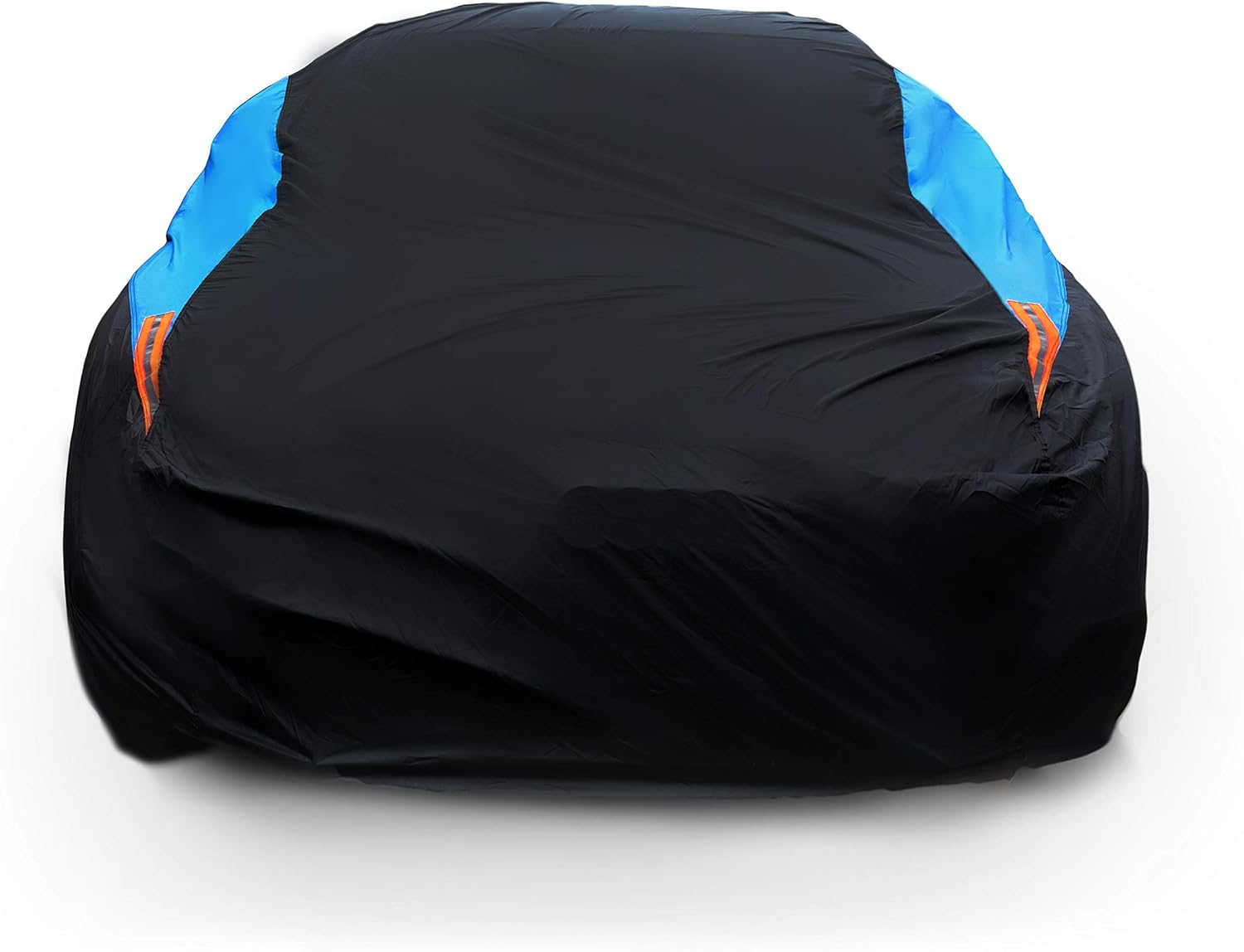
It is also worth considering how you store your vehicle. A car kept in a garage will need less frequent protection than one parked outside. If you use a car cover, make sure it is breathable and soft to avoid scratching the paint, especially with a coating that is very slick. For those adding roof racks or other accessories, check that any mounting points do not damage the paint layer underneath; installing roof rack crossbars may require careful positioning to avoid contact with the treated surface.
For overall paint health, paint and body protection goes beyond the top layer. Consider using paint protection film on high-impact areas like the front bumper and hood, especially if you drive on highways often. And keep your exterior accessories clean and well-maintained to prevent them from rubbing or scratching the paint.
FAQ
Can you apply wax over a sealant or ceramic coating?
Yes, you can apply wax as a topper over a cured sealant or ceramic coating, but use a pure wax without cleaners or abrasives. This can enhance the warm gloss, but the wax will degrade quickly and will not bond to the coated surface. Many detailers prefer to use a spray ceramic topper instead for consistent chemistry.
Do ceramic coatings require any special washing products?
You should use a pH-neutral car wash soap specifically designed for coated surfaces. Avoid soaps that contain wax, gloss enhancers, or harsh detergents. Microfiber mitts and drying towels must be clean and soft to avoid introducing scratches. Some owners use a dedicated coating maintenance wash or a rinseless wash product that leaves no residue.
Is it safe to apply paint protection in direct sunlight?
No. Always apply wax, sealant, or ceramic coating in a shaded area on a cool panel. Direct sunlight can cause the product to dry too quickly, leading to streaks, high spots, and difficulty buffing off. For ceramic coatings, heat and UV can interfere with the chemical curing process. Follow the product manufacturer’s instructions for temperature and humidity guidelines. Wear gloves and work in a well-ventilated area, especially with solvent-based sealants and coatings that emit fumes.
How do I know if a ceramic coating is still working?
Check the water beading and sheeting behavior. If water still forms tight beads and rolls off easily, the coating is likely intact. If water starts to sheet or leaves large flat patches, the hydrophobic layer is wearing. You can apply a ceramic booster to restore some properties, but a worn coating eventually needs to be stripped and reapplied, which requires polishing the paint.
Choosing between wax, sealant, and ceramic coating comes down to your priorities: the look you want, the time you can spend on prep and reapplication, and how much durability you need. Wax offers a classic shine and simplicity, sealant delivers longer protection with reasonable effort, and ceramic coating provides the highest durability and easiest washing after a demanding application. Assess your own routine and expectations, and pick the option that best fits your lifestyle and your vehicle’s paint condition.