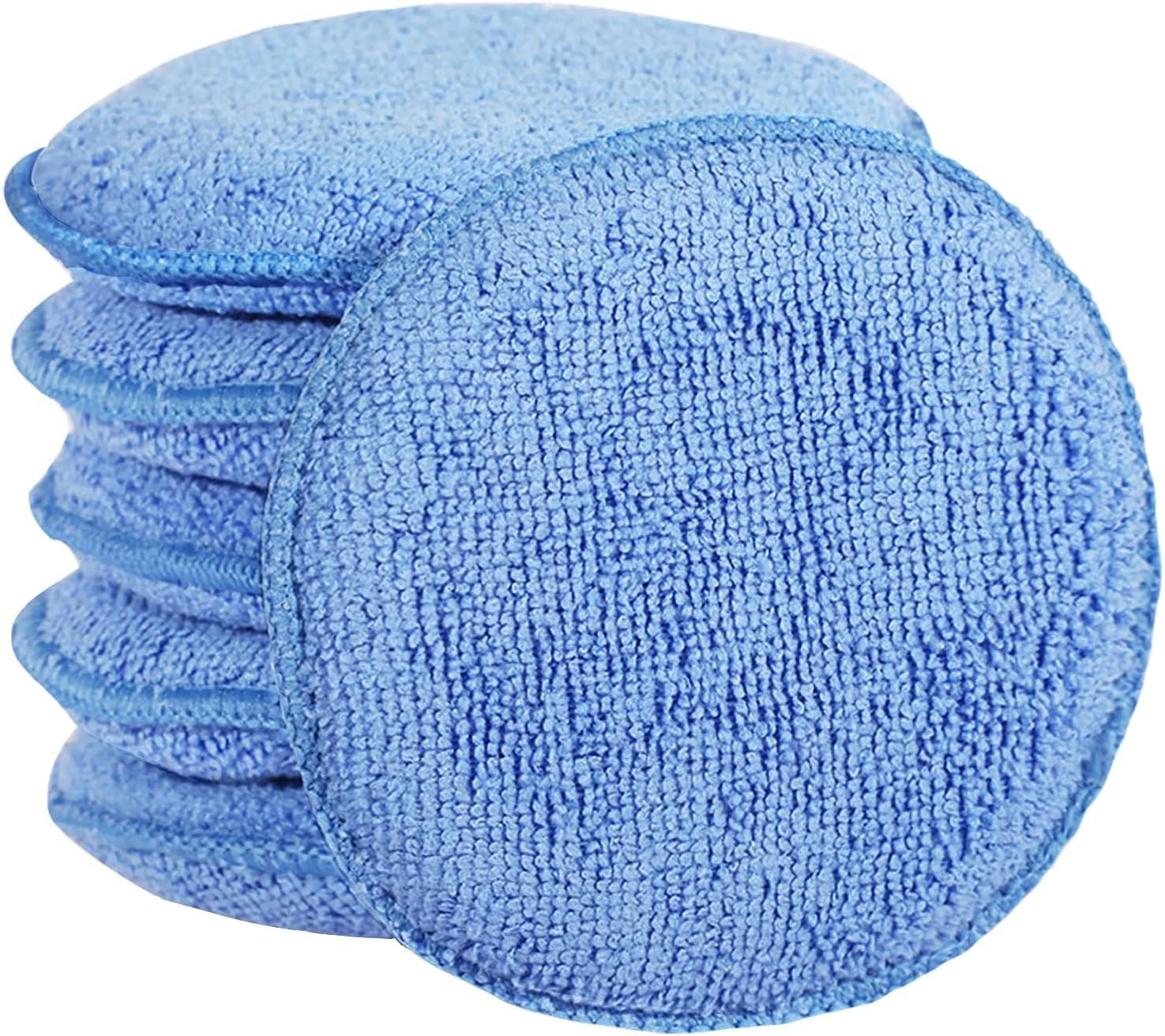
Using a pressure washer and foam cannon can make car washing faster and more effective, but only if you choose the right equipment and use it correctly. This guide covers electric versus gas pressure washers, the proper nozzle tips and safe distances, the difference between a foam cannon and a foam gun, and a step-by-step washing process that protects your paint. For a complete overview of car care tools, visit our Car Care & Detailing section.
Electric vs Gas Pressure Washers for Cars
When selecting a pressure washer for car washing, the main choice is between an electric model and a gas-powered model. Each has strengths and weaknesses that affect convenience, performance, and maintenance.
Electric pressure washers are generally lighter, quieter, and require less maintenance. They plug into a standard household outlet and produce enough pressure and flow for typical car washing tasks. Because they lack an engine, they are easier to start and store, and they produce no exhaust fumes, so you can use them in a garage with the door open. For most drivers who wash a single car at home, an electric model is a practical and sufficient choice.
Gas pressure washers deliver higher pressure and flow rates, making them better suited for heavy-duty cleaning like stripping paint or cleaning large driveways. They are portable without a power cord, but they are heavier, louder, and require regular engine maintenance (oil changes, fuel stabilizer, spark plug checks). For car washing, the extra power is rarely needed and can actually increase the risk of damaging paint if not handled carefully. If you already own a gas pressure washer for other tasks, you can use it on your car by adjusting the nozzle and pressure, but an electric unit is often preferred for its gentler output.
In summary, choose an electric pressure washer for dedicated car washing due to its ease of use, lower risk of paint damage, and simpler upkeep. For more details on pressure washer types, see our Pressure Washers & Foam Cannons guide.
Nozzle Tips and Safe Distance
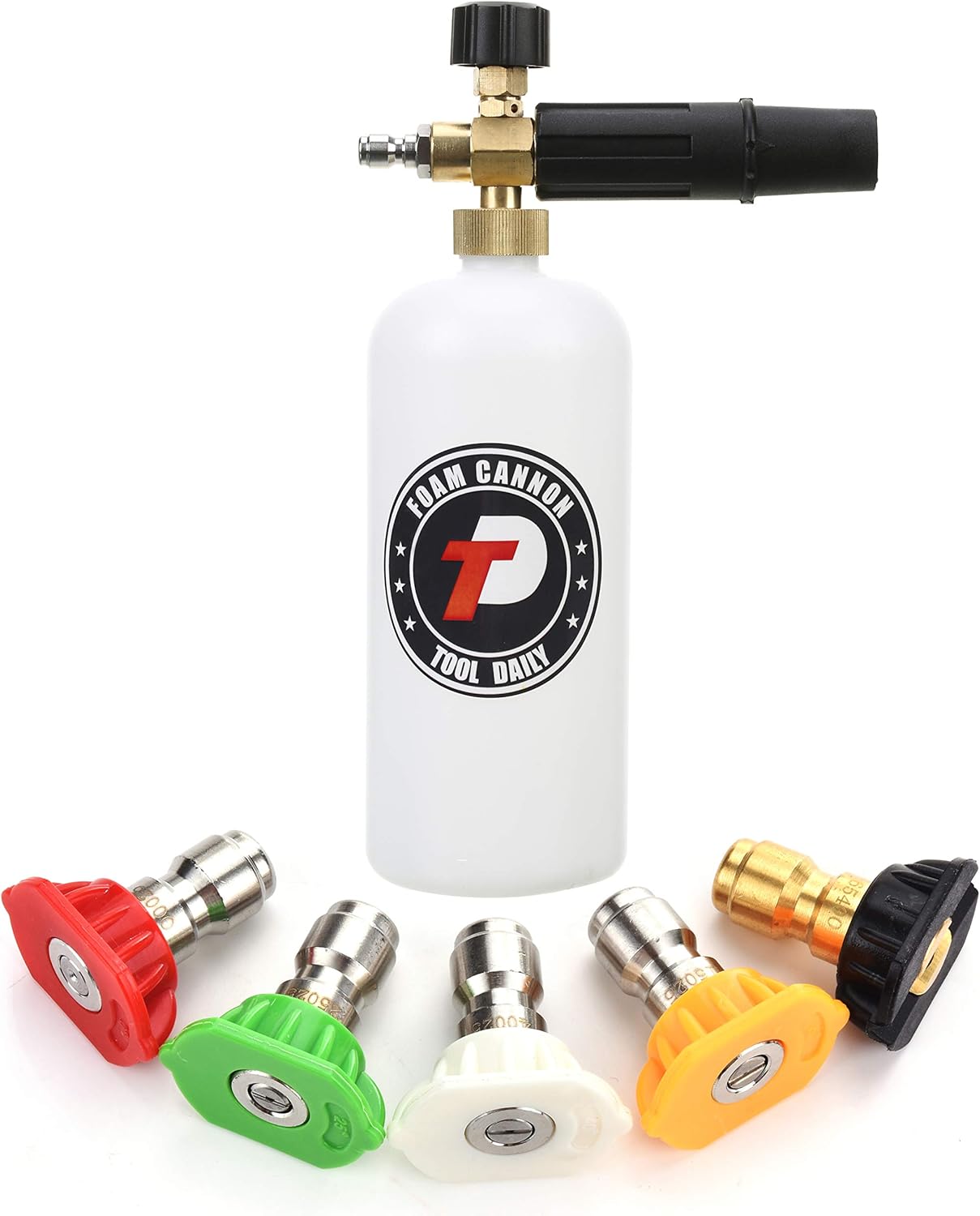
Pressure washer nozzles are typically color-coded by spray angle. The most common tips are 0° (red), 15° (yellow), 25° (green), and 40° (white). For car washing, you should use the widest angle available—usually 40° (white) or 25° (green) for general paint cleaning. The wider the angle, the lower the impact force on the surface, reducing the chance of damaging clear coat or trim.
Never use the 0° (red) tip on paint, tires, or people. This tip produces a concentrated jet that can strip paint, gouge rubber, and cause serious injury. Even the 15° tip is too aggressive for most car surfaces; reserve it for cleaning wheels or heavy grime only if you keep the wand moving and hold it at a safe distance.
Maintain a safe distance from the paint surface—a common rule of thumb is to start about 12 to 18 inches away and move closer only if needed, but never closer than 6 inches. Keep extra distance from:
- Decals and vinyl wraps (they can peel or lift)
- Plastic trim and rubber seals (they can be etched or dislodged)
- Tire sidewalls (the jet can cut into the rubber)
- Damaged paint, chips, or exposed metal (water can infiltrate and worsen rust)
Before washing the entire car, test the spray on a small, inconspicuous area. If the water seems too aggressive, increase your distance or switch to a wider nozzle. Always wear eye protection—debris can be kicked up by the spray, and soap or water can splash into your eyes.
Foam Cannon vs Foam Gun
A foam cannon attaches to a pressure washer wand and mixes water with car soap to produce a thick, clinging foam. A foam gun (sometimes called a foam sprayer) connects to a standard garden hose and creates a thinner, less dense foam. Both allow you to apply soap before a contact wash, but they differ in effectiveness and convenience.
For pressure washer users, a foam cannon is the better choice. It generates a heavy foam that sticks to the paint, loosening dirt and road grime without you having to touch the surface. This reduces the risk of scratching during the contact wash. A foam gun, while cheaper and usable without a pressure washer, produces a runny foam that drips off quickly and does not provide the same dwell-time benefit.
When using a foam cannon, always follow the soap manufacturer’s dilution instructions. The right amount depends on the product, so measure it rather than guessing. Over-concentrating soap can leave residue, while under-concentrating reduces cleaning power. Fill the cannon’s reservoir with the correct mixture, attach it to the pressure washer wand, and adjust the nozzle on the cannon (if adjustable) to get the desired foam thickness.
If you do not own a pressure washer, a foam gun on a garden hose is still a useful pre-treatment. It will not produce as much foam, but it helps wet the surface and start lifting dirt. For a thorough wash, however, a pressure washer and foam cannon combination is the more effective setup.
Fittings and Quick Connects
Most pressure washers and foam cannons use standard quick-connect fittings to attach the hose, wand, and accessories. The common sizes are 1/4-inch and 3/8-inch, with the 1/4-inch being typical for consumer electric models. Foam cannons usually come with a set of adapters to fit different pressure washer brands.
Before buying a foam cannon, check the size and thread type of your pressure washer’s wand. Many units use a standard M22-14mm thread, but some use proprietary connections. If the foam cannon does not include the correct adapter, you can purchase a separate quick-connect kit. Ensure all connections are tight and that O-rings are present and in good condition to prevent leaks.
If you experience leaks at the quick-connect, inspect the O-ring for damage or debris. Apply a small amount of silicone grease to the O-ring to help it seal. For stubborn leaks, replace the O-ring with the correct size. Always follow the manufacturer’s instructions for your specific pressure washer and foam cannon.
Step-by-Step Car Washing Process
Follow this process to wash your car safely with a pressure washer and foam cannon. For a more detailed guide, see How to Wash a Car at Home.
1. Pre-Rinse
Use the pressure washer with a 40° nozzle to rinse the entire car, starting from the top and working down. This removes loose dirt, dust, and debris, reducing the chance of scratching during the foam stage. Pay attention to wheel wells and lower panels where grime accumulates.
2. Apply Foam
Attach the foam cannon filled with the correct soap mixture. Apply a thick, even layer of foam over the entire painted surface. Let the foam dwell for 3 to 5 minutes (or as recommended by the soap manufacturer) to loosen bonded contaminants. Do not let the foam dry on the paint—if it starts to dry, rinse it off and reapply.
3. Contact Wash
Using a clean microfiber wash mitt and a bucket of soapy water (or the two-bucket method), wash the car from top to bottom. Rinse the mitt frequently to avoid dragging dirt across the paint. Work in sections, rinsing each section with the pressure washer before moving on. Do not let soap dry on the surface.
4. Final Rinse
Remove all soap residue with the pressure washer using the 40° nozzle. Start at the top and work downward, ensuring no suds remain. Check crevices like door jambs and mirrors for trapped soap.
5. Drying
Dry the car using a clean, plush microfiber drying towel. Blot or drag the towel gently to avoid scratches. For best results, use a separate towel for the paint and another for wheels and trim. Proper drying prevents water spots. For more on drying, see our Microfiber Towels for Cars guide.
Common Mistakes
- Using the wrong nozzle. A 0° or 15° tip can damage paint, trim, and tires. Always use a 25° or 40° tip for car surfaces.
- Holding the nozzle too close. Even a wide-angle tip can damage paint if held within a few inches. Maintain at least 6 inches of distance, and start farther away.
- Using too much soap. Over-concentrated soap can leave a film or residue that is hard to rinse. Follow the dilution instructions on the soap label.
- Skipping the pre-rinse. Applying foam directly to dry, dirty paint can grind grit into the clear coat. Always pre-rinse thoroughly.
- Washing in direct sunlight. Heat causes soap and water to dry quickly, leaving spots and streaks. Wash in the shade or during cooler parts of the day.
- Using a dirty wash mitt. A mitt that has picked up dirt from previous washes can scratch the paint. Use a clean mitt and rinse it often.
Troubleshooting
Foam is too thin or runny
Check the soap concentration—you may need to add more soap. Also ensure the foam cannon’s nozzle is adjusted to the thickest setting. If the pressure washer’s flow rate is low, the foam cannon may not produce thick foam. Clean the foam cannon’s filter and ensure the water supply is unrestricted.
Pressure washer loses pressure
Check the water supply for kinks or blockages. Inspect the inlet filter for debris. If using a gas model, ensure the engine is running at full throttle and the unloader valve is set correctly. For electric models, verify the hose is not too long (long hoses reduce pressure).
Leaks at connections
Inspect O-rings on quick connects and foam cannon adapters. Replace any that are cracked or missing. Tighten connections by hand; do not overtighten. Apply silicone grease to O-rings to improve the seal.
Pressure washer won’t start
For electric models, check the power cord, outlet, and GFCI reset button. For gas models, check fuel level, oil level, and spark plug. Ensure the on/off switch is in the correct position. Refer to the manufacturer’s manual for specific troubleshooting steps.
Top Picks to Compare
If you would rather start from a short list, these are popular options on Amazon for this search. Check each listing’s details, size and current price before you buy.


FAQ
Can I use a pressure washer on my car’s engine bay?
You can, but with caution. Cover sensitive components like the alternator, air intake, and fuse box with plastic bags. Use a low-pressure setting and a wide nozzle (40°). Avoid direct spray on electrical connectors and sensors. After washing, let the engine dry before starting. Many mechanics recommend using a dedicated engine cleaner and a gentle rinse rather than a pressure washer.
Is it safe to use a pressure washer on matte paint?
Yes, but you must take extra care. Matte paint is more delicate than gloss clear coat. Use the widest nozzle (40°) and keep the wand at least 18 inches away. Use a dedicated matte-safe car soap and avoid any abrasive contact. Never use a pressure washer to remove stubborn bugs or tar on matte finishes—use a gentle detail spray and a microfiber cloth instead.
Do I need a foam cannon to wash my car?
A foam cannon is not strictly necessary, but it helps reduce the risk of scratches by loosening dirt before you touch the paint. If you wash your car frequently and want to minimize swirl marks, a foam cannon is a worthwhile addition. For occasional washes, a foam gun on a garden hose or even a bucket wash can still produce good results if done carefully.
How often should I wash my car with a pressure washer?
Wash your car as often as needed to keep it clean, but avoid over-washing. Most drivers wash every two to four weeks, depending on weather and driving conditions. Frequent washing with a pressure washer is safe as long as you use the correct nozzle and technique. Check your vehicle owner’s manual for any specific recommendations.
With the right pressure washer, nozzle, and foam cannon, you can wash your car safely and efficiently. Always prioritize safety—wear eye protection, follow manufacturer instructions, and never point the wand at people or pets. For more car care tips, explore our guides on how to wash a car at home and how to store car detailing products and tools.