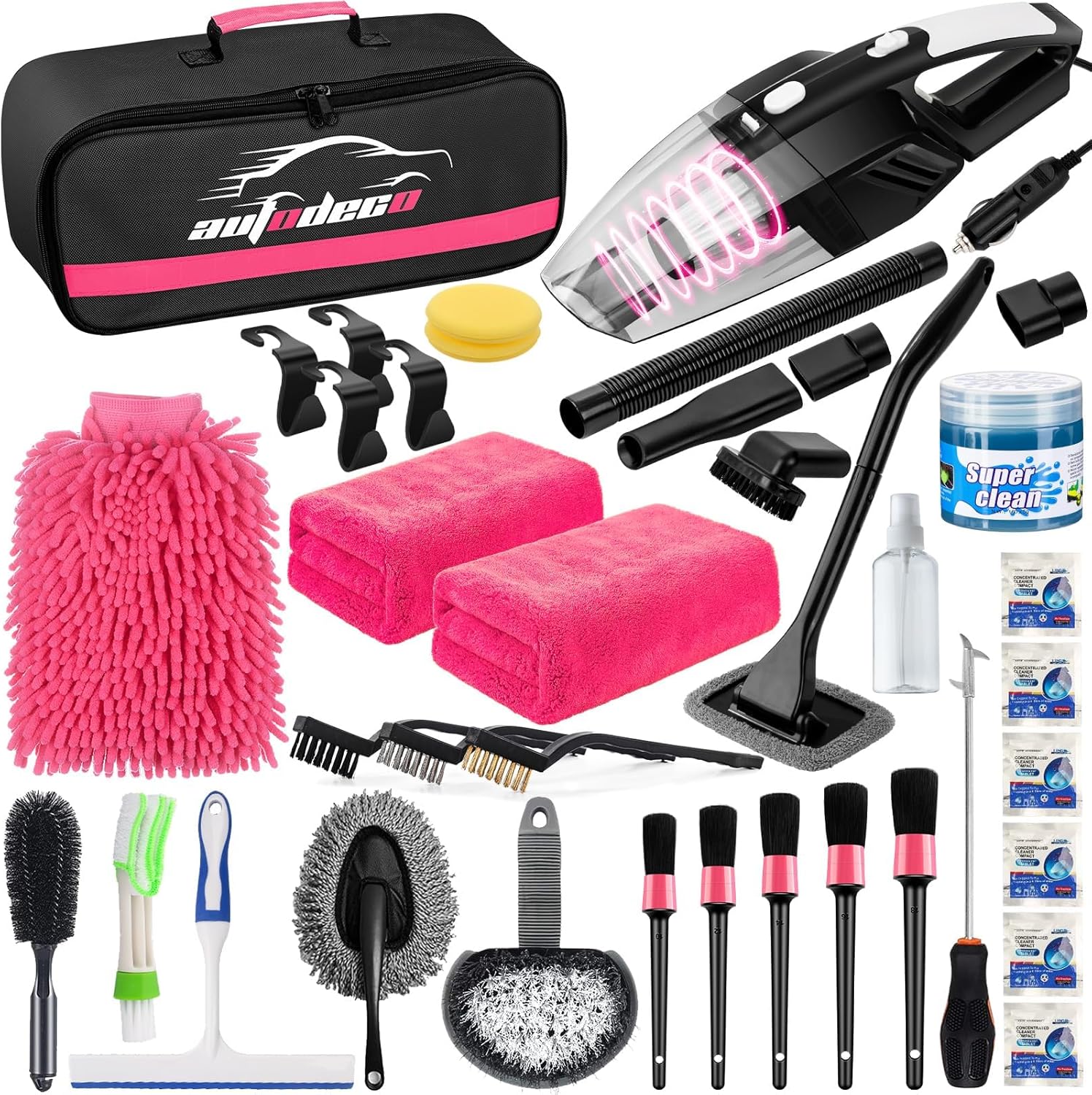
Car detailing products and tools can lose their effectiveness, become unsafe, or even damage your vehicle if stored incorrectly. Whether you have a dedicated garage or a small closet, the key is to keep chemicals stable, organized, and out of reach of children and pets. This guide covers shelving and caddies, temperature requirements, labeling, ventilation, microfiber care, and disposal — everything you need to create a safe, long-lasting detailing storage system.
Shelving and Caddies for Organization
Start with a storage system that separates chemicals from tools and keeps everything accessible. Heavy-duty plastic or metal shelving units work well in garages because they resist moisture and are easy to clean. Avoid wooden shelves that can absorb spills and become stained or warped.
Use a mix of open shelves for frequently used products and closed cabinets for hazardous chemicals. A rolling cart or caddy lets you bring your most-used items to the car without carrying multiple bottles. Choose caddies with compartments that hold bottles upright to prevent leaks.
Group products by type: paints and polishes, cleaners and degreasers, waxes and sealants, and interior products. This reduces the chance of grabbing the wrong bottle and makes it easier to check expiration dates. Keep tools like brushes, applicators, and microfiber towels on separate shelves away from chemical dust and spills.
Temperature Control: Avoiding Freezing and Heat
Most detailing chemicals have a recommended storage temperature range printed on the label. Freezing can cause emulsions to separate, waxes to crystallize, and bottles to crack. High heat can degrade active ingredients, cause pressure buildup, and even lead to container failure.
Store products in a location that stays within the label’s range throughout the year. In many climates, a climate-controlled garage or a basement works well. If your garage is uninsulated, consider a small cabinet with insulation or bring temperature-sensitive products indoors during extreme weather. Never store chemicals near water heaters, furnaces, or direct sunlight.
A simple rule of thumb is to keep detailing products in the same environment you would live in: cool, dry, and out of direct sun. If a product has been frozen or overheated, inspect it for separation, odd odors, or changes in texture. When in doubt, replace it.
Sealed Containers and Proper Labels
Original containers are designed for the product’s chemistry. If you transfer a product to another bottle, use a container made of the same material (typically HDPE plastic) and label it clearly with the product name, type, and date of transfer. Never reuse a container that held a different chemical without thorough cleaning, and avoid mixing residues.
Labels should be waterproof or protected with clear tape. Write the purchase date or expiration date on the bottle so you know when to replace it. Shelf life varies by product, so check the label for specifics. Faded or missing labels can lead to dangerous mix-ups.
For products that come in spray bottles, ensure the nozzle is locked or removed during storage to prevent accidental discharge. Keep all caps and lids tightly sealed to prevent evaporation and contamination.
Keeping Chemicals Away from Kids and Pets
Detailing chemicals can be toxic if ingested or inhaled. Store all products in cabinets with childproof latches or on high shelves that are inaccessible to children and pets. Even “natural” or “eco-friendly” products can cause irritation or harm.
Consider a lockable cabinet or a dedicated storage area with a door that can be secured. If you use a caddy, store it on a high shelf or in a locked cabinet when not in use. Never leave open bottles or used towels where a child or pet can reach them.
Post the poison control number in your storage area and keep a list of products on hand in case of an emergency. Always follow the manufacturer’s safety warnings and first-aid instructions.
Never Mix Chemicals
Mixing different detailing chemicals — even those that seem compatible — can produce toxic fumes, heat, or explosions. For example, mixing bleach-based cleaners with ammonia-based products creates chloramine gas. Acidic and alkaline products can react violently.
Always use products as directed and never combine them in a single container. If you need to mix a dilution, follow the manufacturer’s instructions precisely. Use separate spray bottles for each product and label them clearly. After use, rinse and dry bottles before refilling with a different product.
If you spill two different chemicals, do not attempt to clean them together. Absorb each spill separately with an inert material like kitty litter or sand, and dispose of the waste according to local regulations.
Storing Microfiber Separately from Dusty Tools
Microfiber towels and applicators are porous and can trap dust, dirt, and chemical residues. Store them in a clean, sealed container or a dedicated drawer away from polishers, sandpaper, and other abrasive tools. Dust and grit embedded in a towel can scratch paint during your next detail.
After washing microfiber, store it in a plastic bin with a lid or a zippered bag. Keep used towels separate from clean ones to avoid cross-contamination. For more on caring for microfiber, see our guide on Microfiber Towels for Cars.
Similarly, store polishing pads and applicators in a clean, dry container. Avoid stacking them while they are still damp, as mildew can form. Let them air dry completely before storing. For pad-specific advice, refer to our Polishing Pads, Applicators and Dual-Action Polishers guide.
Ventilation in Garages
Detailing products can release volatile organic compounds (VOCs) and other fumes, especially in warm weather. Good ventilation reduces the risk of inhalation and prevents vapor buildup that could ignite near a pilot light or spark.
If your garage has windows, open them when you are working with chemicals. Use a fan to exhaust air outside. For long-term storage, ensure the area has some airflow — a small vent or a gap under the door can help. Never store chemicals in a sealed, unventilated closet or cabinet without some form of air exchange.
Check the labels for any specific ventilation warnings. Some products require use only in well-ventilated areas, and that applies to storage as well. If you smell strong fumes when opening your storage cabinet, move it to a more ventilated spot or add a passive vent.
Disposing of Old Products per Local Rules
Detailing chemicals should never be poured down drains, into the ground, or into household trash unless the label explicitly says it is safe. Many products are classified as household hazardous waste (HHW) and require special disposal.
Check your local municipal or county website for HHW collection events, drop-off locations, or mail-back programs. Some auto parts stores also accept used chemicals. Never mix different products for disposal — that can cause dangerous reactions.
If a product has separated, expired, or crystallized, treat it as hazardous waste. Empty containers can often be recycled after rinsing, but follow local recycling rules. For more on organizing your detailing supplies, see our Car Care Storage guide.
Common Mistakes to Avoid
- Storing chemicals on the floor: Floods, spills, or leaks can contaminate the area and create hazards. Always keep products on shelves or in cabinets.
- Ignoring expiration dates: Old products may not work as intended and can damage surfaces. Check dates regularly and dispose of expired items.
- Using the same towel for chemicals and paint: Residue can transfer and cause streaks or damage. Keep separate sets of towels for different tasks.
- Leaving pump sprayers pressurized: Heat can make a pressurized sprayer leak or burst. Release the pressure before storing it.
- Storing in direct sunlight: UV rays degrade plastic bottles and break down chemicals. Use opaque cabinets or keep bottles in the dark.
Troubleshooting Storage Issues
Product has separated or changed consistency
If a product looks grainy, has layers that won’t mix, or smells off, it may have been frozen or overheated. Do not use it — dispose of it properly. Check your storage location’s temperature and make adjustments.
Labels have worn off
Immediately re-label any unmarked bottles with a permanent marker or label maker. Write the product name, type, and date. If you are unsure what the contents are, treat it as hazardous and dispose of it.
Spray bottle nozzle is clogged
Rinse the nozzle with warm water and soak in a mild cleaner. If it does not clear, replace the nozzle. Prevent clogs by storing bottles with the nozzle in the “off” or locked position.
Microfiber towels feel stiff or scratchy
This usually means residue from fabric softener or dryer sheets has clogged the fibers. Wash towels with a dedicated microfiber detergent and avoid heat drying. Store them in a sealed container to keep them dust-free.
FAQ
Can I store detailing products in my basement?
Yes, if the basement is dry and stays within the temperature range on the product labels. Avoid areas prone to flooding or high humidity, which can damage labels and cause rust on tools.
How do I know if a product has gone bad?
Look for separation that won’t mix, a foul odor, crystallization, or a change in color or texture. If the product no longer performs as expected, replace it. Always check the label for a shelf life.
Is it safe to store detailing chemicals in the same cabinet as car care tools?
It is safer to store chemicals on one shelf and tools on another, or in separate cabinets. Dust and chemical residue can transfer to tools, and accidental spills can ruin brushes and towels. Keep microfiber and polishing pads in a separate sealed container.
What should I do with old or unwanted detailing products?
Never pour them down the drain or into the trash unless the label says it is safe. Contact your local household hazardous waste program for drop-off or collection events. Many communities hold periodic collection days.
Proper storage of car detailing products and tools not only extends their life but also keeps your workspace safe and efficient. By following these guidelines — using appropriate shelving, controlling temperature, sealing containers, labeling clearly, and maintaining good ventilation — you can get the most out of your supplies and avoid costly mistakes. For more on the overall care of your vehicle, check out our Car Care & Detailing section and our How to Wash a Car at Home guide.