By Lauren Holland
Updated November 2026
Finding the nearest car wash with vacuum is usually a matter of a few minutes on your phone, but knowing what to check before you drive over saves time and frustration. This guide walks you through locating a self-serve or automatic wash that offers vacuums, confirming the equipment works before you commit, and getting the most out of the vacuum once you start. You will also learn when it makes more sense to clean the interior yourself at home.
Step 1: Search Smart on Your Phone or Map App
Open your map app and search for “car wash with vacuum” or “self serve car wash” rather than just “car wash.” Many full-service and express tunnel washes do not include free or coin vacuums, while self-serve bays and some gas station locations do. Sort results by distance, then open the listing and check the photos and recent reviews. Owners often report that photos of the vacuum area tell you more than the business description does, since you can see whether the hoses are intact and the bays are maintained.
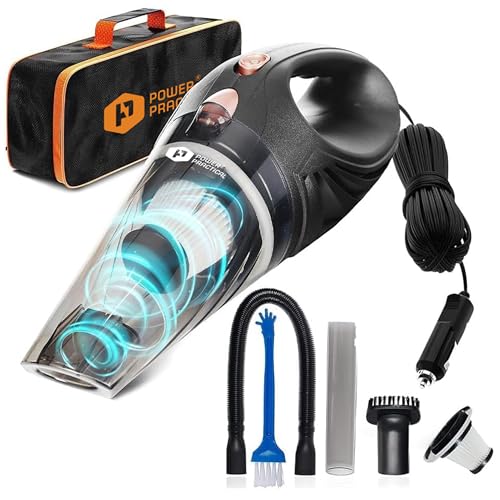
Shopping for one? See our guide: 6 Best Car Vacuum Cleaners 2026: Top Picks Compared for Every Need.
Look for the words “vacuum,” “self-serve,” “coin-op,” or “free vacuums” in the listing or user reviews. If a location is not listed as having vacuums, it may still have them, so a quick call or a look at the official website can save a wasted trip.
Narrowing your options
- Self-serve bays: Usually include vacuums and let you pay for time at the wash bay separately.
- Express tunnel washes: Often have a free vacuum area near the exit, sometimes with attendants.
- Gas stations and convenience stores: Frequently have a standalone vacuum, sometimes with a timer or coin slot.
- Full-service detailers: Typically include interior vacuuming in the service, but you pay for the full detail rather than just vacuum time.
Step 2: Check the Location Before You Drive There
Once you have a shortlist, confirm the details yourself. Hours, payment methods, and whether vacuums are free or coin-operated can change, and the official website or a phone call is the most reliable source. Ask whether the vacuum is working and whether the bay is open. Check the official site for current hours, pricing structure, and any seasonal closures, and call ahead to confirm availability if the location is far from home.
Questions worth asking on the phone
- Are the vacuums currently working?
- Do they accept cards, coins, or a mobile payment option at the vacuum?
- Are attachments such as crevice tools and brushes provided?
- Is there a time limit per cycle, and can you extend it?
Step 3: Inspect the Vacuum Before You Use It
A vacuum with a cracked hose or a clogged filter will waste your money and leave dirt behind. Before you insert coins or start a timer, walk through a short inspection.
- Check the hose for cracks, holes, or kinks that reduce suction.
- Make sure the crevice tool and wide floor nozzle are attached and not broken.
- Listen for the motor when you start it. A steady hum is normal; grinding or whining can mean a problem.
- Hold a tissue or your hand near the nozzle to confirm suction.
- Look for a clear path into the nozzle. Remove any large debris stuck inside.
Step 4: Vacuum the Interior in the Right Order
Efficient vacuuming follows a logical sequence. Working top to bottom keeps dirt from falling onto areas you have already cleaned, and it lets you use your time at the vacuum well.
- Remove floor mats and shake them out away from the car. Vacuum them separately or lay them flat and clean them with the nozzle.
- Clear loose items from the seats, door pockets, and console so the vacuum can reach the surfaces.
- Vacuum the headliner and upper surfaces with a soft brush attachment, if available, to pull dust down.
- Dust the dash, vents, and console with a brush, then vacuum the loosened dust.
- Vacuum the seats, including seams, cushions, and the area under the seat rails.
- Vacuum the carpet and floor, starting at the back and moving forward so you finish near the door.
- Vacuum the trunk and the spare tire well if you have access.
Using the crevice tool
The crevice tool is the most useful attachment for tight spaces. Use it along the seams where the seat meets the console, around the shifter, in the gaps between the seat and the door sill, and in the cup holders. Move slowly; a tool pulled quickly across a surface picks up less dirt.
Step 5: Plan Your Time and Budget Your Cycle
Most coin-operated vacuums run on a timer. A typical cycle is long enough for a quick clean of a sedan but short for a full detail. Plan your order so the most important areas get done first, and keep a second payment method or a few spare coins ready if the first cycle ends before you finish. If you are vacuuming a larger vehicle or a very dirty interior, plan on two cycles.
| Task | Typical time with a vacuum | Tip |
|---|---|---|
| Quick refresh (floor and seats) | 5–8 minutes | Use one cycle; skip the trunk. |
| Standard interior clean | 10–15 minutes | Follow the top-to-bottom order. |
| Deep clean with mats and trunk | 20–30 minutes | Plan for two cycles if the timer is short. |
Times vary by vacuum power, car size, and how dirty the interior is, so treat these as rough planning figures rather than guarantees.
Step 6: Clean Up After Vacuuming
Once the interior is done, a few finishing touches make a difference. Wipe the dash, door panels, and cup holders with a dry or lightly damp microfiber cloth to pick up dust the vacuum missed. Check the floor for loose items and any debris you tracked in. Reinstall the floor mats only after they are fully dry, and make sure the seats are not still damp from any spills you wiped up.
Common mistakes to avoid
- Vacuuming only the floor. Dust settles on the dash and vents, so dust those surfaces first.
- Skipping the crevice tool. The gaps near the seats hold most of the crumbs and grit.
- Rushing the timer. Pulling the nozzle quickly leaves debris behind.
- Ignoring a weak suction signal. If the vacuum sounds strained or suction is poor, try another unit rather than wasting cycles.
- Vacuuming wet carpet. Dry the area first, or you risk damaging the vacuum and leaving the carpet soggy.
- Forgetting the trunk and spare well. These areas collect grit that gets tracked back into the cabin.
Tips for a cleaner result
- Bring a small handheld brush and a microfiber cloth so you can loosen dust before vacuuming.
- Empty the car of trash and personal items before you arrive to save time.
- If you vacuum regularly, a home unit may be more efficient than driving to a wash each time. Compare options in Car Vacuum and Shampooer: A Step-by-Step Guide to Deep Cleaning Your Car if you want to go that route.
- For a complete routine, pair the vacuum with a proper exterior wash. The guide How to Wash a Car at Home: The Two-Bucket Method explains that process in detail.
- If your attachments are worn, consider upgrading. Car Wash Vacuum Attachment: How to Choose and Use One for a Cleaner Interior covers which attachments matter most.
- For a thorough interior approach, How to Vacuum a Car Interior Like a Detailer goes deeper into technique.
Recommended gear
Bringing a few basics to the vacuum area speeds up the job and helps you get into tight spaces.
- A soft-bristle brush for loosening dust. Dust the dash and vents before you vacuum so the loosened particles get picked up. View on Amazon
- A microfiber cloth set. Useful for wiping surfaces after vacuuming and for drying spills. View on Amazon
- A compact crevice attachment kit. Helpful if the vacuum at your wash lacks a crevice tool or you want a spare for home use. View on Amazon
FAQ
How do I find a car wash with a vacuum near me?
Search for “self serve car wash” or “car wash with vacuum” in your map app, sort by distance, and check photos and recent reviews. Confirm the vacuum is working by calling or checking the official website.
Do all car washes have free vacuums?
No. Many self-serve bays and some express washes offer free vacuums, while others charge per cycle or offer no vacuum at all. Check the location’s website or call to confirm before you drive there.
How long should I run the vacuum?
A standard interior clean usually takes 10 to 15 minutes with a vacuum, while a deep clean may need two cycles. Plan your order so the most important areas get done first.
What should I do if the vacuum has weak suction?
Check the hose for cracks or clogs and clear any debris from the nozzle. If suction stays weak, try another vacuum at the same location or choose a different wash.
Should I bring my own cleaning supplies?
A small brush and a microfiber cloth are worth bringing. They let you loosen dust before vacuuming and wipe surfaces afterward, which improves the final result.
Is it better to vacuum at home or at a car wash?
It depends on how often you clean and how much space you have. Regular cleaners often find a home unit more convenient, while occasional cleaners may prefer the power and convenience of a public vacuum.
Can I vacuum wet carpets at a car wash?
It is best to avoid it. Wet carpet can damage the vacuum motor and leave the carpet soggy. Let the interior dry first or dry it with towels before vacuuming.
Conclusion
Finding the nearest car wash with vacuum takes a quick map search, a phone call, and a brief inspection of the equipment. Working top to bottom with the crevice tool and planning your timer usage will give you a cleaner interior in less time. If you need a more thorough routine, consider a home vacuum or a professional detail. Always check the official source for current hours and details before you go.
Related reading
- Shampoo and Vacuum Car Wash: A Step-by-Step Guide for Beginners
- Car Wash Vacuum Attachment: How to Choose and Use One for a Cleaner Interior
- Vacuum Tester for Car: How to Check Vacuum Leaks Step by Step
Ready to choose one?
About Lauren Holland
Lauren Holland is part of our editorial team and reviews and edits our car care & garage supplies guides, checking product details against manufacturer specifications and owner feedback.