 By Lauren Holland
Updated November 2026
If you are wondering how soon can you wax a new car, the short answer is that most manufacturers recommend waiting until the factory paint has fully cured, which typically means several weeks to a few months depending on the paint system and climate. In this guide you will learn how to tell whether your paint is ready, how to wash it safely before waxing, and how to apply protection without trapping solvents or marring fresh clear coat.
Why Timing Matters for a New Car’s Paint
New vehicles leave the factory with a clear coat that is still releasing residual solvents and finishing its chemical cross-linking. Until that process is complete, the surface is softer and more sensitive than it will be a few months later. Applying wax too early can seal in moisture and solvents, which may cause hazing, streaks or a dull film that is hard to remove.
Shopping for one? See our guide: How to Polish Wax Car: Polish vs Wax, Which Should You Choose?.
Waiting also protects you from a common problem: wax applied over paint that still has factory overspray, road tar or transport contamination. Once that is sealed under wax, you have to strip it off before the surface looks right.
How Soon Can You Wax a New Car? Typical Timelines
There is no single universal number, because paint chemistry and climate both affect curing. The table below summarizes general guidance. Always check your owner’s manual or the paint care section of the manufacturer’s website for the exact recommendation on your model.
| Situation | General waiting guidance | Notes | |
|---|---|---|---|
| Mild, dry climate, factory-finished paint | Often around 30 to 90 days | Curing tends to be faster in warm, dry weather. | |
| Cold or humid climate | Often 60 to 90 days or longer | Low temperatures and moisture slow solvent release. | |
| Vehicle was repainted or had body work | Follow the body shop’s instructions | Repaint cure times can be longer than factory finish. | |
| Unsure of paint status | Wait at least 90 days before waxing | A conservative default if the manual is silent. |
Many owners report that the first wash after delivery is the more important step, and that waxing can wait until the paint has had a few months to settle. If you are close to a deadline, a sealant or a gentle wash may be a reasonable interim choice, though it is still wise to confirm with the dealer or manufacturer first.
Step-by-Step: Preparing and Waxing a New Car Safely
Step 1: Confirm the Paint Is Ready
Check your owner’s manual, the window sticker paperwork or the manufacturer’s care guide for a stated waiting period. If the car was repainted or had a panel replaced, ask the shop for their cure time. When in doubt, use the longer estimate.
Step 2: Wash Gently First
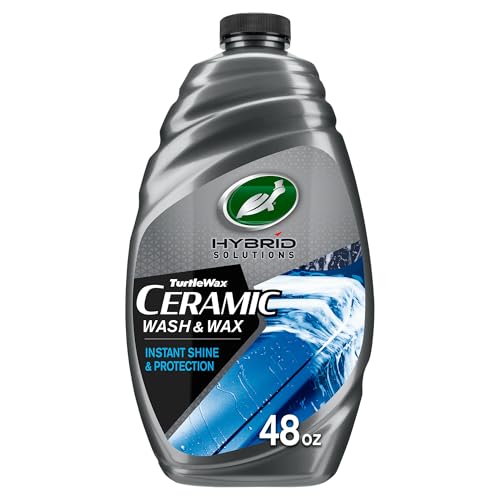
Use a pH-neutral car shampoo, two buckets (one with soap, one with clean rinse water) and a soft microfiber mitt. Wash from the top down and rinse the mitt often. Avoid automatic brush washes in the early months, since they can leave swirl marks on soft paint. A wash-friendly product such as Turtle Wax car soap is designed to clean without stripping existing protection; see Turtle Wax Car Soap: How to Wash Your Car Without Stripping Wax for how to use one correctly.
Step 3: Dry and Inspect
Dry the car with a clean microfiber towel or a blower, then inspect the paint under good light. Look for overspray, tar spots, water spots and any bonded contamination. Fresh paint can be sensitive to rubbing, so handle it gently.
Step 4: Decontaminate If Needed
If the surface feels rough when you run your hand over it, bonded contamination is present. A clay bar or clay mitt with a lubricant can remove it. Work in small sections and keep the surface wet. The process is covered in How to Clay Bar Wax a Car: A Step-by-Step Guide for a Smooth Finish.
Step 5: Choose the Right Protection
Once the paint has cured, select a product that suits your goals. Carnauba waxes offer warmth and depth, while synthetic sealants often last longer. For guidance on picking a formula, read Wax Products for Car: How to Choose and Apply the Right Ones and Polish vs Wax: How to Buff Polish and Wax a Car (2026) Which Is Better?.
Step 6: Apply Thin Coats
Apply a thin, even layer with an applicator pad, working in a small area about two feet square. Most waxes are meant to haze and then buff off. Let the wax sit for the time listed on the label, then buff with a clean, dry microfiber towel. Two thin coats generally outperform one thick coat.
Checklist: What You Need Before You Wax
- pH-neutral car shampoo and a wash mitt
- Two buckets and a grit guard, if you have them
- Clean microfiber drying towels
- Clay bar or clay mitt with lubricant (only if contamination is present)
- Foam or microfiber applicator pads
- Several clean, dry microfiber buffing towels
- Your chosen wax or sealant, matched to your paint and goals
Common Mistakes to Avoid
- Waxing too soon. Trapped solvents can cause hazing that looks like permanent damage but is usually fixable with a gentle cleanup once the paint cures.
- Using a heavy polish on fresh paint. Aggressive compounds can thin the clear coat. Stick to a gentle cleaner or a light finishing product until the paint is mature.
- Applying wax in direct sun or on a hot panel. The product dries too quickly and is harder to buff evenly.
- Using a dirty towel to buff. Trapped grit causes fine scratches that show up under sunlight.
- Layering too much product. Thick wax is difficult to remove and does not add much protection.
- Skipping the manufacturer’s guidance. Paint systems differ, and the owner’s manual is the best first reference.
Tips for Long-Lasting Results
- Wash every one to two weeks, or whenever the car is visibly dirty.
- Rewax every few months, or when water stops beading on the surface.
- Park in shade or a garage when possible to reduce UV exposure.
- Keep a dedicated set of wash and buff towels separate from household cloths.
- For a deeper dive into UV protection and longevity, see Uv Protection Car Wax: How to Choose and Apply It for Lasting Paint Shield.
Recommended gear
A dual-bucket wash setup and a soft microfiber mitt are the foundation of safe early-life washing, which is what protects new paint before you ever wax it. Look for a grit guard that sits in the bottom of each bucket so dirt stays out of your wash water.
A pH-neutral car shampoo is worth choosing because it cleans without stripping any protection that is already on the surface. A plush microfiber drying towel reduces the risk of marring fresh paint when you dry the car.
When you are ready to apply protection, a soft foam applicator pad and a stack of clean microfiber buffing towels make thin, even coats much easier. Search for these items on Amazon using the phrases below.
FAQ
Can I wax a brand-new car right after I drive it off the lot?
It is generally best to wait. Fresh factory paint is still curing, and waxing early can trap solvents and cause hazing. Check the manufacturer’s guidance before applying anything.
Is a sealant a safer choice than wax for a new car?
Some owners choose a sealant because it is durable and easy to apply, but it still should not go on before the paint has cured. Ask the dealer or check the owner’s manual for their recommendation.
What if I already waxed my new car too early?
If you see a cloudy haze, gently wash the car, let it dry fully and buff the surface with a clean towel. If the haze persists, consult a professional detailer or the dealer rather than using aggressive abrasives.
Should I wash my new car before waxing it?
Yes, always. A gentle wash removes dust and contamination so the wax bonds to clean paint. Use a pH-neutral shampoo and avoid automatic brush washes.
Does climate affect how soon I can wax?
Yes. Cold, damp conditions slow solvent release and extend the curing period, while warm, dry weather often speeds it up. Use a longer estimate if you live somewhere cool or humid.
Do I need to clay bar a new car before waxing?
Not always. Clay is only needed if the paint feels rough after washing, which indicates bonded contamination. Test by running a clean hand lightly over the surface.
How often should I wax after the first application?
Many owners rewax every three to six months, depending on the product and exposure. Water beading that becomes flat or sluggish is a common sign that it is time to reapply.
When should I see a professional?
If the paint shows deep scratches, peeling, persistent hazing or any damage you are unsure about, consult a professional detailer or your dealer. They can assess the paint without risking further harm.
Conclusion
For most new cars, the right time to wax is after the factory paint has fully cured, which is often one to three months but can be longer in cool or humid weather. Check your owner’s manual first, then wash gently and inspect the surface before applying protection. Waiting a little longer is almost always the safer choice, and it sets your paint up for a glossy, well-protected finish for years to come.
Ready to choose one?
About Lauren Holland
Lauren Holland is part of our editorial team and reviews and edits our car care & garage supplies guides, checking product details against manufacturer specifications and owner feedback.