By Lauren Holland
UV protection car wax is a paste or liquid that bonds a thin, sacrificial layer to your paint and blocks a large share of the ultraviolet light that fades color, dulls clear coat and causes oxidation. Applied correctly, a good UV protection car wax can keep your paint looking glossy for several months and make every wash easier. This guide explains what the UV blockers actually do, how to choose a formula, and how to apply and maintain it step by step.
What UV Protection in Car Wax Actually Does
Ultraviolet radiation breaks down the pigments and resin in automotive paint. Over time this shows up as fading on reds and blues, chalky patches on black and dark gray, and a hazy film on the clear coat. Wax does not replace the clear coat, but it adds a layer that absorbs or reflects a portion of that UV energy before it reaches the paint.
Shopping for one? See our guide: Nano Wax for Car vs Carnauba Wax: Which Is Better for Your Paint?.
Most UV-blocking waxes use UV absorbers, which are compounds that convert harmful wavelengths into low-level heat, and in some formulas hindered amine light stabilizers that help neutralize the free radicals UV creates. Wax is a temporary barrier. It degrades under sun, rain and washing, so its protection is measured in weeks and months, not years.
Manufacturers typically specify a durability window for each product, often somewhere between three and six months under normal conditions. Hot climates, frequent parking outdoors and automatic car washes with harsh detergents all shorten that window.
Car Wax with UV Protection vs Other Paint Protection
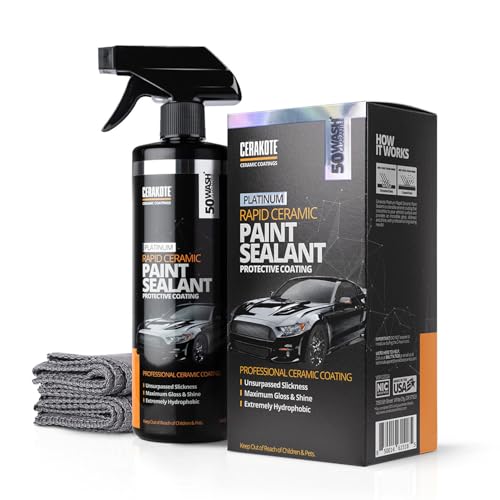
Before buying, it helps to know where a wax sits compared with other options. A car wax with UV protection is usually carnauba-based or synthetic-polymer-based, is easy to apply by hand, and is the most forgiving choice for beginners. A paint sealant is synthetic, typically lasts longer, and often offers similar UV resistance with a slicker, more reflective finish. A ceramic coating bonds more permanently and provides the highest durability, but it demands careful paint preparation and is harder to apply.
If you want a deeper comparison of these three categories, read Car Wax vs Paint Sealant vs Ceramic Coating. For most owners who park outside and wash every few weeks, a UV-rated wax or sealant is the practical middle ground.
How to Choose a UV Protection Car Wax
Look past the marketing language and check the product description for specific claims about UV protection, durability and the base material. Use these factors to narrow your choice.
- Stated UV protection: Products that explicitly mention UV blockers or UV absorbers are a better bet than vague “shine” claims.
- Base type: Carnauba waxes give a warm, deep look but usually last less time. Synthetic polymer waxes last longer and show a sharper reflection.
- Form: Paste waxes deliver the thickest layer and the most protection per coat. Liquid and spray waxes are faster to apply and better for maintenance between full coats.
- Color compatibility: Some waxes are formulated for dark paint and enhance depth, while others are neutral. Dark vehicles benefit most from UV protection because they show fading and chalking quickly.
- Durability rating: Compare the manufacturer’s stated lifespan, and assume real-world results will be shorter if the car lives outdoors.
Tools and Supplies You Need
Good application depends more on preparation and technique than on the wax itself. Gather these items before you start:
- A clean, dry microfiber applicator pad
- Two or three clean, plush microfiber towels for buffing off residue
- Painter’s tape for trim and plastic edges
- A clay bar or synthetic clay mitt, if the paint feels rough after washing
- A dual-action polisher, optional, for removing light swirls before waxing
- Car shampoo and a wash mitt for the initial wash
Step-by-Step: Applying UV Protection Car Wax
Step 1: Wash and Dry the Vehicle
Wash the car in the shade with a pH-neutral shampoo, using the two-bucket method so you do not rub grit back into the paint. Dry the panels thoroughly with a clean microfiber towel or a blower. Any water left in seams or trim will interfere with wax bonding.
Step 2: Decontaminate the Paint
Run your hand over the paint in a plastic bag. If you feel bonded contamination such as tree sap, rail dust or overspray, use a clay bar or clay mitt with plenty of lubricant. Wipe the surface with a panel prep or light cleaner to remove leftover oils, since these prevent the wax from bonding evenly.
Step 3: Tape Off Sensitive Areas
Apply painter’s tape to black trim, rubber seals and textured plastic if the wax contains solvents or leaves a haze that is hard to remove from those surfaces. This step saves time during cleanup.
Step 4: Apply a Thin, Even Coat
Dampen the applicator slightly if the product instructions allow it, or apply a small amount of wax directly. Work in a 2 ft by 2 ft section using straight, overlapping strokes or small circles. Thin coats cure more evenly and are easier to buff. A thick layer does not add more UV protection and is harder to remove.
Step 5: Let It Haze, Then Buff
Wait until the wax reaches the haze stage. Check the product label, but most waxes flash in roughly 5 to 15 minutes depending on temperature and humidity. Buff with a clean microfiber towel using light pressure. Flip the towel often so you are always working on a dry, clean section.
Step 6: Inspect and Cure
Look at the panel under angled light to catch any streaks. Remove high spots with a fresh towel. Keep the car out of rain and wash for the cure time stated on the label, commonly several hours.
Maintenance Schedule for UV Protection
Protection fades steadily, so a schedule helps you keep the paint covered. Consider these general guidelines for a daily-driven car parked outdoors:
| Interval | Action | Purpose |
|---|---|---|
| Every 2 to 4 weeks | Wash with pH-neutral soap | Remove contaminants before they bond |
| Every 1 to 2 months | Apply a quick detailer or spray wax | Refresh the UV layer between full coats |
| Every 3 to 6 months | Full wax application | Restore complete UV barrier and gloss |
| Once a year | Clay and polish if needed | Remove embedded debris and restore clarity |
Cars kept in a garage or under a carport can stretch these intervals. Cars in desert or high-altitude sun may need to shorten them.
Common Mistakes
- Waxing a dirty car: Wax sealed over contamination locks grit into the finish.
- Applying in direct sun: Hot panels cause the wax to dry before you can buff it, leaving residue.
- Using too much product: A heavy coat is harder to remove and does not improve UV coverage.
- Skipping the test spot: Some waxes stain or leave haze on black plastic. Test on a small hidden area first.
- Using a dirty towel: Re-used towels with embedded grit cause fine scratches during buffing.
- Assuming wax lasts all year: Believing one application protects through every season leads to cumulative fading.
Tips for Longer-Lasting UV Protection
Park in shade when you can, especially between 10 a.m. and 4 p.m. when UV intensity is highest. Rinse off bird droppings and tree sap quickly, because their acids etch into the clear coat once they dry. Use a pH-neutral car shampoo rather than dish soap, which strips protection. If you use an automatic car wash, choose a touchless or soft-cloth option and avoid harsh high-alkaline detergents where possible.
For a broader look at protecting the interior as well, see Family Car Accessories: Seat Protection, Organization and Cleanup, which covers sun-related damage to upholstery and dashboards.
Recommended gear
A dual-action polisher makes it easier to remove light swirls before you apply UV protection, which gives the wax a smoother, more even surface to bond to. Look for a model with variable speed and a soft backing pad. View on Amazon
Plush microfiber drying and buffing towels are the most useful towels you can own for wax removal, since their high pile lifts residue without scratching. View on Amazon
A clay bar kit removes bonded contaminants that wax cannot cover, so the protection layer sits directly on clean paint. View on Amazon
Painter’s tape with clean edges protects trim and rubber seals during application. View on Amazon
FAQ
Does car wax with UV protection really stop paint fading?
It slows fading considerably by absorbing or reflecting part of the UV spectrum, but it does not stop it entirely. Regular reapplication and parking in shade give the best results.
How often should I apply UV protection car wax?
Most owners of outdoor cars apply a full coat every three to six months, following the manufacturer’s stated durability. Refresh with a spray wax every month or two in between.
Can I use UV protection wax on a black car?
Yes, and dark cars often benefit most because fading and chalking show quickly on dark paint. Choose a formula that is safe for dark finishes and test it on a small area first.
Is a sealant better than a UV protection wax?
Sealants are synthetic and usually last longer, while carnauba waxes give a warmer look. Both can include UV protection. The better choice depends on how long you want protection to last and how much time you want to spend applying it.
Do I need to clay bar before applying UV wax?
Clay is not required for every wash, but it is recommended if the paint feels rough after washing. Removing bonded contamination helps the wax bond evenly and last longer.
Can I apply UV protection wax in the sun?
Avoid direct sun and hot panels. Work in the shade or in a garage, and only treat panels that are cool to the touch so the wax does not dry too fast.
Will UV protection car wax damage plastic trim?
Some formulas can leave a white haze on textured black plastic or rubber. Tape off these areas and test the product on a small hidden spot before full application.
Conclusion
UV protection car wax is one of the simplest ways to slow paint fading, oxidation and dulling caused by sunlight. Choose a formula with a clearly stated UV blocker, prepare the paint properly, and apply thin, even coats. Keep up a regular schedule of washing and reapplication, and your paint will look better for longer. For vehicles with heavy sun exposure or special finishes, consider asking a professional detailer for advice on longer-lasting options.
Related reading
Ready to choose one?
About Lauren Holland
Lauren Holland is part of our editorial team and reviews and edits our car care & garage supplies guides, checking product details against manufacturer specifications and owner feedback.