By Lauren Holland
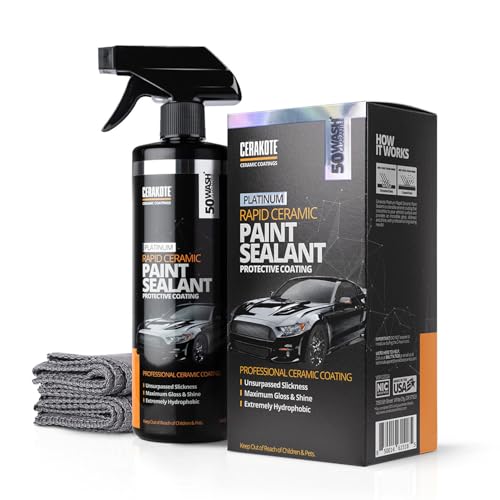
Nano wax for car paint is a synthetic protectant that bonds to the clear coat with a thinner, more durable film than traditional wax. If you want longer-lasting protection and a hard, slick surface that resists water and grime, nano wax is the stronger pick. If you prefer a warm, deep gloss and enjoy the ritual of waxing every few weekends, a high-quality carnauba paste remains a rewarding choice. The comparison below breaks down how the two differ in practice.
| Criterion | Nano Wax (Synthetic Polymer or SiO2-Based) | Carnauba Wax (Natural Palm Wax) |
|---|---|---|
| Main ingredient | Synthetic polymers, often with silica (SiO2) or similar nano-scale particles | Carnauba palm wax, sometimes blended with polymers |
| Typical durability | Commonly described by manufacturers as several months | Usually a few weeks to about two months |
| Look and gloss | Sharp, reflective, glassy finish | Warm, depth-rich glow |
| Water behavior | Tight, uniform beading that sheets off quickly | Strong beading that fades as the wax wears |
| Application | Thin coats, short cure time, often wiped off with a microfiber towel | Thin coats, may need longer haze time and firmer buffing |
| Best paint type | Modern clear coat, including dark and metallic colors | Any finish, especially classic or show-car paint |
| Upkeep | Less frequent reapplication | Frequent reapplication |
Durability: Nano Wax Lasts Longer
Durability is where nano wax has the clearest advantage. Because the formula is built from synthetic polymers that cross-link to the clear coat, the protective layer resists being stripped by rain, road film and car wash soaps. Manufacturers of nano-based sealants typically state protection in the range of several months, and owners often report that a single application holds up through a full season when the car is washed with a pH-neutral shampoo.
Carnauba wax sits on top of the paint rather than bonding to it. It works well, but it degrades faster. Most owners who use it on a daily driver reapply every four to eight weeks, and it can wear faster in winter when road salt and grit are heavy. The winner for durability is nano wax.
Gloss and Appearance: Carnauba Has the Warmer Look
Gloss is subjective, and this is where carnauba earns its reputation. Many enthusiasts describe carnauba as giving a warm, wet look, particularly on dark paint. The wax adds a slight depth that some people find more natural than the crisp shine of a synthetic. Nano wax produces a sharper, more reflective surface, sometimes described as glassy, and it tends to make metallic flake and color look clean and even.
If your priority is the deepest possible visual depth on a dark color, carnauba often wins. If you want a clean, high-reflection finish that looks freshly detailed for longer, nano wax is the better fit. The winner for appearance depends on taste, but for a balanced, long-lasting gloss, nano wax edges ahead.
Water Beading and Hydrophobic Performance
Both products repel water, but they do it differently. Nano wax usually creates tight, uniform beads that roll off quickly and carry dirt with them. Owners often report that this effect stays consistent for months. Carnauba beads are often larger and very dramatic when fresh, then flatten and weaken as the wax thins.
For sheeting and self-cleaning behavior that holds over time, nano wax is more reliable. The winner for water performance is nano wax.
Ease of Application and Cure Time
Nano wax is generally easier for beginners. Most products call for a thin, even coat applied with a foam applicator, a short wait until the haze forms, and a clean microfiber buff. Cure times are often listed in minutes, not hours. Because the formula is designed to wipe off cleanly, it leaves fewer high spots.
Carnauba paste or hard wax can be more forgiving in one sense: it is easy to layer and it does not bond aggressively, so mistakes are usually reversible with a quick wipe. However, it may need more haze time, a firmer buffing motion, and careful attention to edges. For a first-time waxer, nano wax has the smoother learning curve. The winner for ease of use is nano wax.
Paint Compatibility and Surface Prep
Both products work best on clean, decontaminated paint. Before either one, wash the car using the two-bucket method and consider a clay bar treatment to remove bonded contamination. Nano wax is widely recommended for modern clear coats, including dark and metallic colors, because the thin synthetic film does not fill fine swirl marks the way some thick waxes can. Carnauba is a good match for older or single-stage paints that benefit from a warmer, more traditional look.
Neither product is a substitute for paint correction. If the finish has heavy oxidation or deep scratches, polish first. For paint correction on a budget, many owners use a dual-action polisher, but results depend heavily on technique, so consider a professional for significant defects. The winner for paint compatibility is a tie, with nano wax better for modern clear coats and carnauba better for classic finishes.
Maintenance and Upkeep Over Time
Maintenance is where the two products diverge in everyday life. Nano wax usually needs reapplication only a few times a year, and many owners maintain it with a quick spray-on topper between full applications. Carnauba requires more frequent attention, especially on a daily driver that sees rain and road salt. Keeping a clean microfiber towel set, a foam applicator and a quality wash soap on hand will help either product perform well. For more on keeping tools organized, see How to Store Car Detailing Products and Tools.
The winner for low maintenance is nano wax.
Protection Beyond Wax: Where Nano Wax Fits
It helps to know where nano wax sits among paint protection options. Traditional wax, sealant and ceramic coating each offer different levels of durability and hardness. For a full breakdown of those categories, read Car Wax vs Paint Sealant vs Ceramic Coating. Nano wax generally sits between a basic carnauba and a true sealant in durability, which makes it a practical middle option for many drivers.
Keep in mind that protection products can be affected by cold weather. If you store your car in a freezing climate, pair your wax routine with a few winter precautions. Our guide to Winter Car Emergency Kit: What to Add for Cold Weather covers items worth keeping in the trunk during the season.
Which Should You Choose?
- Choose nano wax if you want months of protection, a sharp reflective finish, and a simple application process.
- Choose nano wax if you park outdoors, drive through salted winter roads, or have a modern dark or metallic clear coat.
- Choose carnauba wax if you enjoy the hands-on process of waxing and want a warm, deep glow on a dark show-quality finish.
- Choose carnauba wax if you own a classic car or a single-stage paint job that benefits from a natural-look coating.
- Consider using both: nano wax as the long-term base, with a light carnauba topper for added depth on weekend cars.
Here are the options to look at, with one budget-friendly and one premium pick for each category:
- Nano wax: Meguiar’s Ultimate Liquid Wax is a widely available synthetic liquid wax. View on Amazon
- Nano wax (premium-leaning): Adam’s Polishes Graphene Ceramic Wax is a synthetic option many enthusiasts use. View on Amazon
- Carnauba wax: Meguiar’s Gold Class Carnauba Plus Paste Wax is a traditional paste often recommended for a warm finish. View on Amazon
- Carnauba wax (premium-leaning): Collinite No. 845 Insulator Wax is a long-established carnauba-based product. View on Amazon
FAQ
Can I apply nano wax over carnauba wax?
Yes, but thoroughly clean off the old carnauba first. Use a dedicated wax stripper or a mild car wash soap to remove residue, since oily layers can stop the new product from bonding evenly.
Does nano wax need to be applied in direct sunlight?
No. Work in the shade, on a cool panel, and apply thin coats. Sunlight and hot surfaces can cause the product to dry too fast and leave streaks.
How often should I reapply nano wax?
Most manufacturers suggest reapplication every few months. Check the water beading: when it weakens noticeably, it is time to refresh the coating.
Is nano wax safe for ceramic-coated cars?
Check the coating manufacturer’s instructions first. Some ceramic coating makers recommend their own maintenance products, and layering a wax may affect the finish.
Do I need to polish before applying either product?
Not always. If the paint is clean and reasonably smooth, a wash and clay treatment may be enough. If the paint has oxidation or swirls, polish first for the best result. For significant paint defects, consult a professional detailer.
Conclusion
For most drivers who want strong protection with less effort, nano wax for car finishes is the better everyday choice. It lasts longer, beads consistently, and goes on cleanly. Carnauba wax still earns a place for enthusiasts who value warmth and depth and enjoy the process of waxing. Many owners end up using both, reserving carnauba for show-level detailing and nano wax for daily protection.
Related reading
- Wireless Charging Car Mounts: What to Know Before You Buy
- When to Replace Car Tires: Tread, Age and Damage Signs
- What to Do If Your Car Breaks Down on the Road
About Lauren Holland
Lauren Holland is part of our editorial team and reviews and edits our car care & garage supplies guides, checking product details against manufacturer specifications and owner feedback.