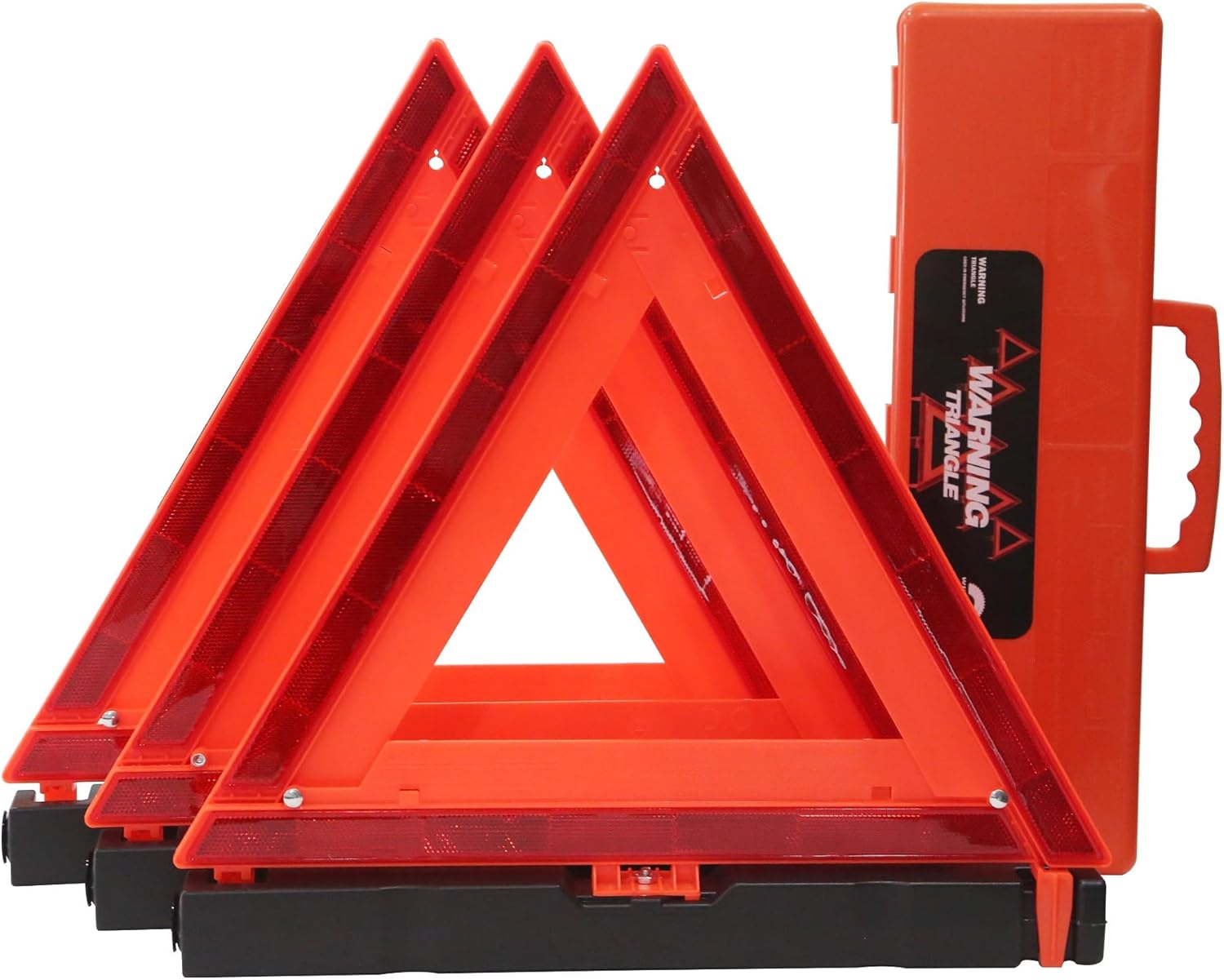
When your car stops running or you have a sudden mechanical failure while driving, your first priority is safety. The steps you take in the first few seconds can make the difference between a manageable situation and a dangerous one. This guide walks you through exactly what to do: how to signal and steer to a safe place, when to stay in the car, how to call for help, and what to keep in a roadside emergency kit so you are prepared before trouble starts.
Steer to the Safest Place Possible
As soon as you notice a problem — a warning light, strange noise, loss of power, or a flat tire — do not slam on the brakes. Keep a firm grip on the steering wheel and gradually reduce speed. Turn on your hazard lights immediately to alert other drivers. Look for the nearest safe spot to pull over. Ideally, aim for a wide highway shoulder, an exit ramp, a rest area, or a parking lot. If you are on a multi-lane road, signal and move to the right lane as traffic allows. If you cannot reach a shoulder, steer toward the right edge of the road as far as possible, even if that means stopping on the grass or a low curb. Never stop in the middle of a lane or on a blind curve.
Secure Your Vehicle Once Stopped
After you have come to a complete stop, set the parking brake firmly. If you are on a hill, turn your front wheels away from the curb (or toward the curb if facing downhill) so the car will roll into the curb if the brakes fail. Leave the hazard lights on. Now decide whether to stay inside the car or get out. Much highway safety guidance recommends staying inside the vehicle with your seatbelt fastened, especially on busy highways, because the car provides a protective shell. However, if you are stopped on a narrow shoulder with fast-moving traffic and there is a sturdy barrier, guardrail, or a safe area well away from the road, it may be safer to exit the vehicle on the passenger side and move behind the barrier. Never stand between your car and oncoming traffic. If you exit, keep your seatbelt buckled until you are ready to get out, and watch for passing vehicles.
Call for Help
Once you are safe, call roadside assistance or, if you are in immediate danger (for example, your car is stuck on a railroad crossing or you see a fire), call 911. When you call, provide the following information:
- Your exact location: use mile markers, exit numbers, cross streets, or landmarks. If you have a smartphone, share your GPS coordinates.
- A description of your vehicle: make, model, color, and license plate number.
- The nature of the problem (flat tire, engine trouble, out of fuel, etc.).
- How many people are in the car and whether anyone is injured.
- Any immediate hazards, such as a disabled vehicle blocking a lane or poor visibility.
Stay on the line until the dispatcher tells you help is on the way. If you have a roadside assistance app or membership, use it to send your location automatically.
Use Warning Devices If Safe
Reflective triangles, road flares, or LED warning lights can alert approaching drivers to your stopped vehicle. However, only place them if it is safe to do so. On a highway, walk along the shoulder facing traffic and place triangles well behind your car; commonly cited distances are about 100 feet on ordinary roads and farther on high-speed roads, so approaching drivers get early warning. On a two-lane road, also place a triangle on the opposite side of the road if possible. Never place warning devices in the middle of a traffic lane or if you have to walk into moving traffic. If you cannot safely set them out, stay in your car and keep the hazard lights on. In bad weather or at night, reflective gear becomes even more critical; keep a high-visibility vest and a flashlight in your vehicle.
What to Keep in a Roadside Kit
A well-stocked roadside emergency kit can help you handle a breakdown more safely and comfortably. Consider including the following items:
- Reflective triangles or LED warning beacons
- First-aid kit
- Flashlight with extra batteries
- Phone charger (cigarette-lighter or USB)
- Jumper cables or a portable jump starter
- Basic tool kit (screwdrivers, pliers, adjustable wrench)
- Spare tire, jack, and lug wrench
- Blanket and warm clothing
- Bottled water and non-perishable snacks
- Duct tape, zip ties, and a pocket knife
- High-visibility vest
- Rain poncho or umbrella
- Paper and pen to leave a note if needed
You can find pre-assembled kits or build your own. For more ideas, see our guide on roadside emergency kits. The Ready.gov website also provides a car safety checklist that includes many of these items.
Handling Specific Situations
Nighttime or Bad Weather
If your car breaks down at night, in fog, rain, or snow, the risks increase. Keep your hazard lights on and, if your car has them, use your parking lights or fog lights to make the vehicle more visible. Turn on your interior dome light so you can be seen through the windows. Do not use your high beams because they can blind other drivers. If you have reflective triangles, place them farther behind your car than you would in daylight. In heavy rain or snow, consider staying in the vehicle unless you can reach a safe area far from the road. For winter-specific preparation, read how to prepare your car for winter and the NHTSA winter driving tips.
Highway vs. Local Road
On a highway, traffic moves fast and stopping lanes are narrow. Your best option is to coast to the right shoulder as far from traffic as possible. Never try to cross multiple lanes to reach a left shoulder. On a local road, you may have more options: pull into a driveway, parking lot, or side street. Always signal your intentions and check your mirrors before steering.
If You Cannot Pull Over
If your car loses power completely and you cannot steer to the shoulder, do not panic. Keep the hazard lights on and try to coast to a stop as far to the right as possible. If you are in a travel lane, stay in the car with your seatbelt on and call 911 immediately. Do not get out to push the car or try to fix it in the road.
Common Mistakes to Avoid
- Stopping in the middle of the road. Even if you have a flat tire, keep moving slowly to a safe spot. Driving a short distance on a flat tire is safer than blocking traffic.
- Getting out without looking. Always check your mirrors and look over your shoulder before opening the door. Exiting on the traffic side is extremely dangerous.
- Leaving the car unlocked. If you must leave the vehicle, lock it to prevent theft. Keep your keys with you.
- Attempting repairs on the traffic side. Never work on a tire or engine while standing next to moving vehicles. If you need to change a tire, do it only on a wide shoulder or in a parking lot, and stay well away from traffic.
- Forgetting to call for help. Some drivers try to fix the problem themselves for too long. If you are unsure or the repair is complex, call for professional assistance.
FAQ
Should I stay in the car or get out?
On a busy highway with a narrow shoulder, staying inside with your seatbelt on is generally safer because the car provides protection. If you can move behind a guardrail or to a safe area well away from the road, exiting on the passenger side may be better. Never stand between your car and traffic.
What if I cannot pull over to the shoulder?
If your car stops in a travel lane, keep your hazard lights on, stay inside with your seatbelt fastened, and call 911 immediately. Do not get out to push the vehicle or direct traffic. Wait for emergency services to arrive.
How far behind should I place warning triangles?
Commonly cited distances are about 100 feet behind the car on ordinary roads and farther on highways, with a second triangle if you have one. On a two-lane road, also place a triangle on the opposite side of the road. Only do this if you can walk safely along the shoulder.
What information should I give when calling for help?
Provide your exact location (mile marker, exit number, or GPS coordinates), a description of your vehicle, the nature of the problem, the number of people in the car, and any immediate hazards. Stay on the line until the dispatcher confirms help is on the way.
No one expects a breakdown, but knowing these steps can keep you calm and safe. The most important rule is to prioritize your safety over your vehicle. If you are ever unsure, stay inside the car, keep your seatbelt on, and call for professional help. For more tips on emergency preparedness, explore our section on emergency and roadside equipment and learn how to use a portable jump starter safely.