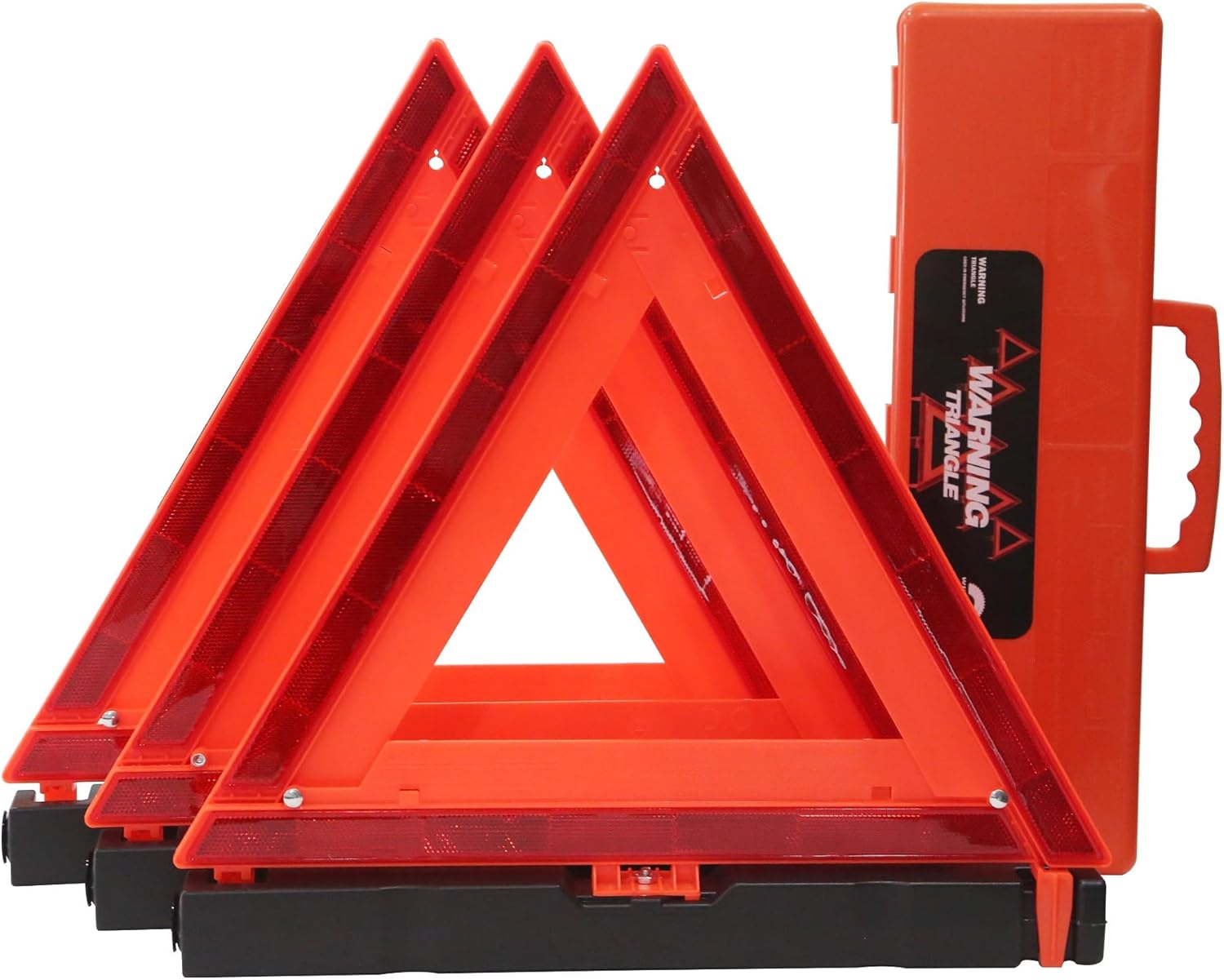
Getting your car ready for cold weather means taking a few preventive steps before the first freeze. A weak battery, low coolant, or worn tires can turn a minor inconvenience into a dangerous situation. This checklist covers the critical areas: battery health, tires and traction, wiper and washer systems, cooling system, lighting, an emergency kit, and what to do if you end up stranded. Following this guidance will help you stay safe and avoid common winter breakdowns.
Before You Start
Winter preparation does not require special tools, but you should set aside enough time to go through each item. Park on a level surface, turn off the engine, and let the car cool before opening the coolant reservoir. Always consult your vehicle owner’s manual for specific fluid types, battery testing procedures, and maintenance intervals. If you are unsure about performing any check, have a professional mechanic handle it.
Battery Test and Charging System
Cold weather slows the chemical reaction inside a car battery, reducing its cranking power. A battery that was borderline in summer can fail without warning on a frigid morning. Have the battery tested with a load tester to confirm it can still deliver enough cold cranking amps. Many auto parts stores offer this test at no charge. If the battery is more than a few years old or shows signs of corrosion on the terminals, consider replacing it before winter sets in.
Also check the charging system. The alternator must be able to keep the battery topped off during short trips with the heater, headlights, and defroster running. If the battery warning light flickers or the engine struggles to start, get the alternator output tested.
Tires
Tread Depth and Condition
Adequate tread depth is essential for gripping snow, slush, and ice. A quick rule of thumb is the penny test: insert a penny into the tread grooves with Lincoln’s head pointing down. If you can see the top of Lincoln’s head, the tread is too shallow and the tires need replacement. For winter conditions, a deeper tread (typically above 3/16 inch) provides much better traction.
Inspect each tire for cracks, bulges, or uneven wear. Uneven wear can indicate alignment or inflation problems that become more serious in slippery conditions.
Pressure Drops in Cold Weather
Tire pressure drops roughly one psi for every ten-degree Fahrenheit drop in temperature. Underinflated tires reduce handling and increase the risk of a blowout. Check tire pressure at least once a month during winter, and always when the tires are cold. Inflate to the pressure listed on the driver’s side door jamb or in the owner’s manual, not the maximum pressure printed on the tire sidewall. Do not forget the spare tire if your vehicle has one.
Winter Tires
If you regularly drive on snow-covered or icy roads, consider mounting a set of winter tires. They use a softer rubber compound that stays flexible in low temperatures and have deeper tread patterns designed for snow and ice. All-season rubber stiffens as temperatures drop, and many tire makers say winter tires start to outperform them around 45 degrees Fahrenheit. Winter tires require a separate set of wheels or a mount-and-balance service each season. Check your state laws about winter tire usage and traction device requirements.
Wiper Blades and Washer Fluid
Streaked or split wiper blades fail to clear snow, slush, and road salt from the windshield. Replace wiper blades if they leave streaks or make noise. Some drivers switch to heavy-duty winter blades that resist ice buildup.
Use a winter-rated washer fluid with a low freezing point, typically down to -20°F or lower. Summer washer fluid can freeze in the reservoir or spray nozzles, leaving you without the ability to clean the windshield. Top off the reservoir and carry an extra bottle in the trunk.
Coolant (Antifreeze) Check
Coolant prevents the engine from freezing and protects against corrosion. Check the coolant level and condition only when the engine is cold. The reservoir should be filled to the marked line. Most vehicles require a 50/50 mix of antifreeze and distilled water, but always follow the recommendation in your owner’s manual. A simple tester or a shop can check the freeze protection level. If the coolant appears rusty or oily, have the cooling system flushed and refilled.
Lights
Shorter days and snowy conditions make working lights critical. Walk around the car and turn on each light: headlights (low and high beam), taillights, brake lights, turn signals, hazard flashers, and reverse lights. Have a helper stand behind the car while you press the brake pedal. Clean any grime or salt from the lenses. Replace dim or burned-out bulbs promptly. Use the bulb type listed in the owner’s manual; LED retrofit bulbs in halogen headlights may not be street-legal, so check before upgrading.
Ice Scraper and Snow Brush
A good ice scraper with a sturdy handle and a soft-bristle snow brush make clearing the windshield, side windows, mirrors, and lights much easier. Store them inside the passenger compartment, not the trunk, so they are accessible before you get out to clean the car. Also keep a small spray bottle filled with a de-icing solution in the cabin to loosen stubborn ice.
Emergency Kit Essentials
Even a well-prepared car can break down. A winter emergency kit can make the difference between a minor delay and a dangerous situation. The National Highway Traffic Safety Administration (NHTSA) and Ready.gov both recommend carrying supplies that help you stay warm, signal for help, and manage common problems. Below are the core items:
- Blankets or sleeping bag – one per person to stay warm if you are stuck for hours.
- Gloves, hat, and extra clothing – layers help retain body heat.
- Flashlight with extra batteries – a reliable light is essential at night. For detailed guidance on choosing a car flashlight, see our emergency flashlight guide.
- Phone charger – a USB cable and a power bank ensure you can call for help.
- Traction aid – sand, kitty litter, or purpose-made traction mats to help get unstuck from snow or ice.
- Small shovel – a compact folding shovel for digging out tires.
- Bottled water and non-perishable snacks – dehydration and hunger make cold exposure worse.
- First aid kit – a basic kit for minor injuries. Check our car first aid kit checklist for what to include.
- Jumper cables – a thicker gauge set works better in cold weather.
For a complete list of supplies, visit our winter car emergency supplies page. You can also browse emergency and roadside equipment for additional gear.
Keep the Fuel Tank from Running Low
A low fuel tank can accumulate condensation, which may freeze in the fuel lines. More importantly, if you become stranded, the fuel is your only source of engine heat. Make it a habit to keep the tank at least half full during winter. This also ensures you have enough fuel to run the engine periodically for warmth without risking running out.
How to Use a Portable Jump Starter
If your battery dies, a portable jump starter (often called a battery booster) is safer than relying on another vehicle. A compact unit can start a car multiple times on a single charge. Follow the manufacturer’s instructions carefully: connect the red clamp to the positive battery terminal and the black clamp to an unpainted metal bolt or bracket away from the battery. Never let the clamps touch each other. For a step-by-step walkthrough, see our guide on how to use a portable jump starter safely.
Quick-Reference Preparedness Table
| Category | Key Check | Notes |
|---|---|---|
| Battery | Load test and clean terminals | Replace if borderline; alternator check recommended |
| Tires | Tread depth, pressure, winter tires | Check pressure monthly; consider winter tires for snow/ice |
| Wipers & Washer | Replace blades; use winter fluid | Extra fluid in trunk |
| Coolant | Level and freeze point | Follow owner’s manual for mixture |
| Lights | All lights clean and working | Replace any burned-out bulb |
| Emergency Kit | Blanket, flashlight, phone charger, traction aid, shovel, water, snacks, first aid kit | Store inside cabin not trunk |
| Fuel | Keep tank at least half full | Prevents condensation and supports emergency heating |
| Stranded Plan | Stay with vehicle, clear exhaust, run engine briefly | Prevent carbon monoxide poisoning |
What to Do If Stranded in Winter Weather
Even with the best preparation, you might find yourself stuck in snow or ice. Follow these critical safety steps:
- Stay with your vehicle. Your car provides shelter and makes you easier to find. Only leave if you can see a building or help within a few hundred feet.
- Clear the exhaust pipe. Snow blocking the tailpipe forces carbon monoxide into the cabin. Remove any snow from the pipe before running the engine. Check periodically if snow continues to fall.
- Run the engine briefly for heat. Start the engine and run the heater for about ten minutes every hour. This conserves fuel. Always keep a downwind window cracked open to allow fresh air in.
- Signal for help. At night, turn on the dome light or hazard flashers when the engine is running. Hang a brightly colored cloth from the antenna or window.
- Stay awake and active. Move your arms and legs to maintain circulation. Do not let anyone fall asleep without checking that the exhaust pipe is clear and ventilation is adequate.
Carbon monoxide poisoning is a major risk in winter strandings. Never run the engine indoors (garage) or in deep snow that blocks the exhaust. Always follow the guidance from the National Highway Traffic Safety Administration (NHTSA winter driving tips) and Ready.gov (Ready.gov car safety).
FAQ
Do I really need winter tires if I have all-season tires?
All-season rubber stiffens in the cold, and many tire makers say winter tires start to outperform it around 45°F. If you regularly drive on snow, ice, or near-freezing roads, winter tires provide significantly more traction, shorter stopping distances, and better handling. For occasional winter driving in mild climates, all-season tires with good tread may suffice, but winter tires are always safer when conditions demand them.
How often should I check tire pressure in winter?
At least once a month, and more often if a cold snap arrives. Pressure drops with temperature, so checking it when the tires are cold gives the most accurate reading. Don’t forget to check the spare tire, if equipped.
Can I use regular washer fluid in winter?
Regular (summer) washer fluid can freeze in the reservoir or nozzles at temperatures below 32°F. Switch to a winter-grade fluid rated for at least -20°F. Top off the reservoir and carry a spare bottle in your emergency kit.
What should I do if I hit a patch of black ice?
Stay calm. Take your foot off the accelerator and do not brake hard. Steer gently in the direction you want to go. If your car has antilock brakes, apply steady pressure; if not, pump the brakes lightly. Once past the ice, continue slowly.
Winter driving demands a little extra preparation, but the steps are straightforward. Test your battery, check your tires and fluids, equip your car with a well-stocked emergency kit, and know the right actions to take if you become stranded. Following this checklist reduces your chances of a breakdown and helps you stay safe on the road.