By Lauren Holland
Updated November 2026
Spray on wax at car wash bays is a fast, low-effort way to add shine and water repellency to your vehicle without touching it with a towel. In this guide you’ll learn what the spray actually puts on your paint, how long the protection realistically lasts, and how to decide whether the add-on is worth choosing on your next visit. You’ll also get a simple checklist for getting the most out of it.
What Spray On Wax at a Car Wash Actually Is
Most automatic and self-serve wash bays offer a spray that is a liquid polymer or a light wax emulsion. It is applied through the same nozzles as the soap and rinse, usually near the end of the cycle. Some bays label it “hot wax,” others call it “clear coat protectant,” “ceramic” or “sealant.” The labels vary, but the core job is the same: leave a thin, slick layer on the clear coat that helps water bead and roll off.
Shopping for one? See our guide: Nano Wax for Car vs Carnauba Wax: Which Is Better for Your Paint?.
Traditional carnauba wax is a hand-applied paste or liquid. The car wash version is a much thinner product designed to spray evenly over a whole vehicle in seconds. That means it is closer in function to a light sealant than to a thick paste wax. It adds gloss and hydrophobicity, but it does not fill swirl marks or hide deep defects the way a hand-applied wax with more solids can.
How Long the Protection Lasts
Expect a short window. Owners commonly report that the beading effect fades within a few weeks, and the shine is noticeable for roughly one to three weeks depending on weather, washing frequency and how much road grime sits on the paint. Rain and frequent automatic washes strip the layer faster. A garage-parked car washed by hand every two weeks may keep it looking good longer than a daily commuter going through a tunnel wash.
Because of this, treat spray wax as a maintenance layer rather than long-term paint protection. If you want protection that lasts months, a hand-applied paint sealant or a true wax is the better tool, and it is covered in the comparison below.
Step-by-Step: Getting the Most From a Spray Wax Wash
Step 1: Start With a Clean Surface
Wax and sealant bond to clean paint only. If the car is heavily soiled with bugs, tar or road film, pick a bay that offers a pre-soak or a foam cycle first. Spray wax applied over grime sits on top of the dirt and wears off with it.
Step 2: Choose the Right Cycle
Look for the option that combines a rinse or clear coat protectant with the wash. In many automatic systems the wax is one of several checkboxes on the menu. Choose the mid-tier or top-tier package rather than the basic wash if you want the protectant included.
Step 3: Watch the Cycle
Pay attention to whether the wax is applied after the final rinse. Some bays spray it on before a spot-free rinse, which can leave residue. If you see it applied as the last step, you will get the most even coverage.
Step 4: Dry the Car Properly
Spray wax can leave streaks if it dries on the glass or on textured trim. Use a clean, dry microfiber towel on the windows, mirrors and door jambs. A leaf blower or air dryer in the bay helps, but a quick hand pass on the windshield and side glass makes a noticeable difference.
Step 5: Inspect Under Shade
Once you pull out, check the paint in shade or under a garage light. Look for missed spots, especially on the lower panels, rocker panels and the rear of the car, where the spray angle is often weakest.
Spray Wax vs Hand Wax vs Paint Sealant
| Option | Typical Durability | Effort | Best For |
|---|---|---|---|
| Car wash spray wax | About 1 to 3 weeks | None | Quick shine between hand washes |
| Carnauba paste or liquid wax | About 1 to 3 months | Moderate | Warm, rich gloss on show cars |
| Synthetic paint sealant | About 4 to 6 months | Moderate | Longer protection with slick beading |
Durability figures are general ranges manufacturers and detailers often cite. Actual results depend on climate, washing habits and the specific product.
Common Mistakes
- Expecting months of protection from a single wash-bay application.
- Choosing the spray over a pre-soak on a dirty car, which traps grime under the layer.
- Skipping the windows and mirrors, which leaves streaks that are harder to fix than the paint.
- Waxing a car that has swirl marks and assuming the spray will hide them. It will not.
- Using the spray as a substitute for a proper wash on a truly dirty vehicle.
Tips for Getting Better Results
- Use spray wax in the weeks between hand waxes to keep the beading going.
- Book a wash right after rain or before a long trip, when the shine matters most.
- Keep a small microfiber towel in the trunk for quick glass and trim touch-ups.
- Pair the wash with a clay bar or decontamination step twice a year if the paint feels rough.
- If you wash at home, consider a spray sealant or detail spray instead, applied after a two-bucket wash.
Recommended gear
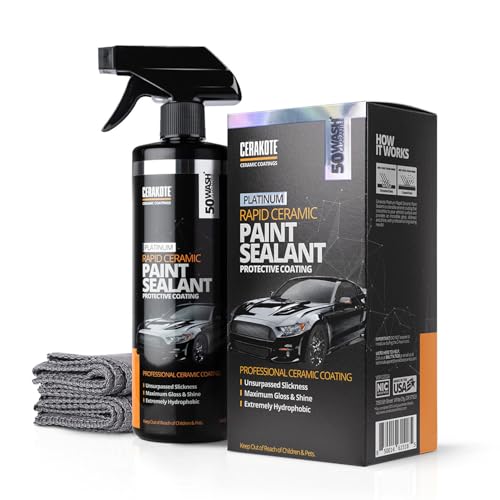
If you want to extend the shine between car wash visits, a few supplies help. A quality microfiber drying towel removes the spray cleanly and avoids streaks on glass. A spray wax or quick detailer you can apply at home gives you a similar result on demand. For those who wash by hand, the View on Amazon style of towel is the single most useful upgrade, and a View on Amazon bottle lets you refresh the beading after a rinse.
For a longer-lasting layer than spray wax, a View on Amazon applied by hand is a practical next step. Read the instructions on whatever product you choose, as curing times and application methods differ.
FAQ
Is spray on wax at a car wash worth it?
It is worth it if you want a quick, visible shine and water beading between hand washes. It is not a substitute for a proper wax or sealant if you want protection that lasts several months.
How long does car wash spray wax last?
Most owners notice the effect for about one to three weeks. Rain, road salt and frequent automatic washes can shorten that window.
Does spray wax protect against UV damage?
It offers some light protection, but most car wash sprays contain far less UV-blocking material than dedicated protectants. For strong UV defense, look for a product labeled as UV-resistant.
Can spray wax remove swirl marks?
No. Spray wax fills nothing and does not correct the surface. Swirl marks need polishing or compounding before any protectant is applied.
Will spray wax cause streaks on windows?
It can, especially if it dries on the glass. Wipe the windows and mirrors with a clean, dry microfiber towel right after the wash.
Should I get spray wax before or after a rain?
Before rain is the better choice, since the beading will help water run off the paint. The effect fades with heavy rain exposure, so expect it to wear faster.
Is spray wax safe for all paint types?
Most car wash sprays are formulated for modern clear coat finishes. If your car has a matte, satin or specialty paint, check with the wash operator or the vehicle manufacturer before choosing a protectant.
Conclusion
Spray on wax at car wash bays gives you a fast, easy shine and some water repellency for a few weeks. It works best as a between-wash boost, not as long-term protection. If you want more durability, pair regular bay visits with a hand-applied sealant or wax on a schedule that fits your climate.
Related reading
- Hot Wax at Car Wash: What It Is, Whether It Lasts, and How to Choose
- Wax on Car Windshield: Step-by-Step Guide for a Streak-Free Finish
- Wax and Grease Remover for Car Paint: A Step-by-Step Guide for Beginners
Ready to choose one?
About Lauren Holland
Lauren Holland is part of our editorial team and reviews and edits our car care & garage supplies guides, checking product details against manufacturer specifications and owner feedback.