By Lauren Holland
Updated November 2026
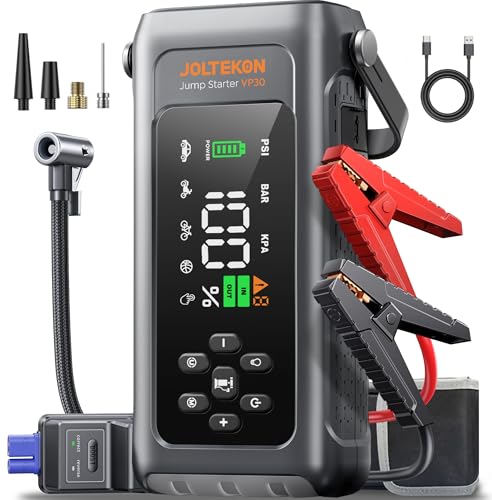
A noco car jump starter lets you revive a dead battery without waiting for a tow truck or borrowing another car. This guide walks you through checking your battery, connecting the clamps in the right order, starting the engine, and disconnecting safely. Follow these steps and you can get a stalled vehicle running in a few minutes.
What You Need Before You Start
Gather a few basics before you open the hood. A fully charged jump starter and a flashlight make the job faster, especially after dark. Check that the clamp cables are not cracked or exposed, since damaged insulation is the most common source of trouble with any portable unit. For a broader overview of how these devices work, see Vehicle Jump Starters Portable Car Battery Charger: How to Choose and Use One.
Shopping for one? See our guide: 7 Best Car Battery Jump Starters: Top Picks for Every Need (2026).
- A charged portable jump starter with clamps
- A flashlight or headlamp
- Gloves and eye protection
- A clean rag to wipe battery terminals
Step-by-Step: Starting a Dead Battery with a NOCO Jump Starter
- Check the battery terminals. Look for heavy corrosion or loose posts. Clean light buildup with a wire brush, and tighten any loose connections.
- Set the jump starter on a flat surface. Keep it away from the battery and any standing water. Make sure the unit is switched off before you connect anything.
- Attach the red clamp to the positive (+) terminal. Clamp firmly onto clean metal, not onto the plastic cover or a corroded edge.
- Attach the black clamp to a bare metal ground. A bolt or bracket on the engine block, away from the battery and fuel lines, works well. Keep the clamp off the negative terminal if you can.
- Power on and start the engine. Turn the unit on, wait for the indicator to show it is ready, then crank the engine for no more than about five seconds at a time. Let the battery rest between attempts.
- Disconnect in reverse order. Once the engine runs, remove the black clamp first, then the red one. Keep the vehicle running for at least 15 minutes so the alternator can recharge the battery.
Safety Checks and Troubleshooting
If the engine does not turn over, first confirm the clamps are making solid contact. Wiggle each clamp and look for a clean bite on the metal. Repeated failed cranking can overheat a starter motor, so stop after two or three attempts and let everything cool. If the battery is frozen or visibly swollen, do not attempt a jump, because a damaged battery can vent gas or leak acid. For cable-based setups and their differences, see Car Battery Jump Starter Cable: How to Choose and Use One Safely.
Common Mistakes
- Connecting the black clamp directly to the negative terminal when a grounded bolt is available
- Leaving the unit switched on while attaching clamps
- Cranking the engine for long stretches without pausing
- Skipping the recharge step and assuming the battery is full after one start
- Reversing red and black clamps, which can damage the unit and the vehicle’s electronics
Recommended Gear
A quality set of clamps with good insulation makes connections more secure and easier to handle in cold or wet conditions. Look for jump starter cables with thick, flexible wire so they stay cool under load. See Jump Starter Cables for Car: How to Choose and Use Them Safely (2026) for guidance on choosing them.
- Heavy-gauge jump starter cables: a thicker wire carries current more easily and resists heat. View on Amazon
- LED work light: a bright, hands-free light helps you see the terminals clearly at night. View on Amazon
- Insulated gloves: they protect your hands from pinched fingers and minor shocks around the battery. View on Amazon
FAQ
Can I use a NOCO jump starter on any car?
Most NOCO units are designed for standard 12-volt gasoline engines and many diesels. Check the unit’s rated engine size and battery voltage against your vehicle’s manual before you use it.
How long should I wait before trying to start the car again?
Wait about two minutes between attempts so the clamps and the jump starter can cool. Repeated quick attempts can drain the unit and stress the starter motor.
Should I drive the car after a jump?
Yes, but keep the engine running for at least 15 minutes, ideally longer. This gives the alternator time to put charge back into the battery. If the car will not restart later, the battery may need replacing. For more on emergency use, read Car Jump Starter Emergency: A Step-by-Step Guide for Beginners.
Conclusion
Using a noco car jump starter comes down to careful clamp placement, short cranking attempts, and the correct disconnect order. Inspect your battery, follow the steps in sequence, and give the car time to recharge afterward. With practice, a dead battery becomes a quick fix instead of a roadside problem.
Related reading
Ready to choose one?
About Lauren Holland
Lauren Holland is part of our editorial team and reviews and edits our car care & garage supplies guides, checking product details against manufacturer specifications and owner feedback.