By Lauren Holland
Car wax and ceramic coating both protect paint, but they do it very differently. Carnauba and synthetic waxes sit on top of the clear coat and need reapplying every few weeks to a few months. A ceramic coating bonds to the paint at a chemical level and can last years with proper care. If you want a quick, inexpensive routine you can finish on a Saturday afternoon, wax is the practical pick. If you keep a car for the long haul and want low ongoing maintenance, a ceramic coating usually wins.
| Criterion | Car Wax | Ceramic Coating |
|---|---|---|
| Main ingredient | Carnauba, polymer or hybrid sealants | Silicon dioxide (SiO2) or similar ceramic compounds |
| How it bonds | Sits on top of the clear coat | Chemically bonds to the clear coat |
| Typical lifespan | About 1 to 3 months (carnauba), up to 6 months (synthetic) | Commonly rated for 2 to 5 years, depending on the product |
| Paint preparation needed | Basic wash and clay bar | Thorough decontamination, clay, and often paint correction |
| Application difficulty | Easy, forgiving | Demanding, a single mistake can leave high spots |
| Gloss and depth | Warm, deep shine (especially carnauba) | Sharp, glassy reflection |
| Hydrophobic (water beading) effect | Good when fresh, fades quickly | Strong and long-lasting |
| Chemical and UV resistance | Moderate | High |
| Ease of maintenance | Frequent reapplication | Regular washing with pH-neutral soap |
| Best for | Garage-kept cars, enthusiasts who like to work on their cars | Daily drivers, owners who want longer protection |
Protection Against the Elements
Protection is where the two products differ most. A good paste wax or spray sealant shields paint from UV rays, light acid rain, bird droppings, and road grime. The layer is thin and sacrificial, so it takes the abuse so the clear coat doesn’t have to. The downside is that it wears down steadily. Owners who drive daily in sun and salt often report needing to reapply wax every four to eight weeks to keep paint well protected.
A ceramic coating creates a harder, more chemically resistant layer. Manufacturers typically rate their coatings against UV exposure, etching from bird droppings, and many common automotive chemicals. The coating doesn’t prevent every scratch, but it makes light swirls less likely and makes contaminants easier to rinse away.
Winner: Ceramic coating. It offers stronger, longer-lasting protection against environmental damage.
Durability and Longevity
Wax durability depends on the type. Carnauba wax is prized for its warm glow, but it is soft and typically lasts only a few weeks in hot or wet conditions. Synthetic sealants last longer, often around three to six months. Either way, you’re on a recurring schedule.
Ceramic coatings are sold with lifespans measured in years. Real-world durability depends heavily on how the car is washed, how often it’s exposed to harsh conditions, and whether the product is a consumer spray or a professional-grade application. Consumer-level coatings generally fall at the shorter end of the range, and reapplication or topping-off products may be needed sooner than the label suggests.
Winner: Ceramic coating, provided the surface is prepared and maintained correctly.
Preparation and Application Effort
Wax is forgiving. Wash the car, dry it, optionally clay the paint, then apply a thin coat by hand. Buff off the residue with a clean microfiber towel. Even a beginner can get good results on a single afternoon, and a mistake is easy to fix by re-waxing.
Ceramic coating demands more. Paint must be fully decontaminated with iron remover and a clay bar, and any swirl marks or light scratches should be corrected first, because the coating will lock imperfections in place. Application should be done in a shaded, cool area with panels handled one at a time. Most coating instructions call for a flash time of a few minutes before wiping, and wiping too late can leave a hazy film that is difficult to remove. A poorly applied coating can show high spots that catch the light.
Winner: Car wax for anyone who wants a simple, low-risk process.
Appearance and Gloss
Each finish has its fans. Carnauba wax produces a warm, deep, slightly wet look that many enthusiasts prefer on dark paint. Synthetic sealants give a cleaner, more reflective shine. Ceramic coatings are known for a sharp, glassy gloss with strong reflections and high clarity, which many owners describe as making the paint look freshly polished.
Keep in mind that a coating only looks as good as the paint underneath it. Because it doesn’t hide defects, a coating over swirled paint will show those swirls clearly.
Winner: Depends on taste. Choose wax for warmth and depth, a coating for crisp reflectivity.
Water Beading and Cleaning Ease
Both options make washing easier, but ceramic coatings are stronger here. Fresh wax causes water to bead, and that effect fades as the wax wears. Ceramic coatings create a slick surface that encourages water to sheet off and dirt to release more easily. Owners often report that they can rinse off a lot of dust with less scrubbing, and that bird droppings and bug splatter come off more readily when cleaned promptly.
Keep in mind that a coating doesn’t make a car self-cleaning. Regular washing with a pH-neutral car shampoo is still necessary, and harsh cleaners or automatic car washes with aggressive brushes can reduce the coating’s performance over time.
Winner: Ceramic coating.
Cost of Upkeep and Time Commitment
Wax has a lower entry barrier but a recurring time cost. Reapplying every one to three months adds up across the year. Ceramic coating takes more time up front but far less maintenance afterward. Over a multi-year span, owners who want minimal interruptions often find coatings less demanding, while those who enjoy detailing as a hobby may prefer the ritual of waxing.
Winner: Depends on your schedule. Wax suits frequent hobbyists. Coatings suit owners who want fewer detailing sessions.
Which Should You Choose?
- Choose car wax if you enjoy detailing, want a warm carnauba glow, or are working on a car you may sell within a year or two.
- Choose car wax if you’re new to paint care and want a forgiving process that’s easy to correct.
- Choose ceramic coating if you drive daily in harsh weather, sun, or road salt and want longer-lasting protection.
- Choose ceramic coating if you want fewer detailing sessions and a strong hydrophobic effect between washes.
- Choose ceramic coating if you’re keeping the car long-term and are willing to prep the paint properly first.
- Consider a paint sealant as a middle option if you want more durability than wax without the demanding application of a coating.
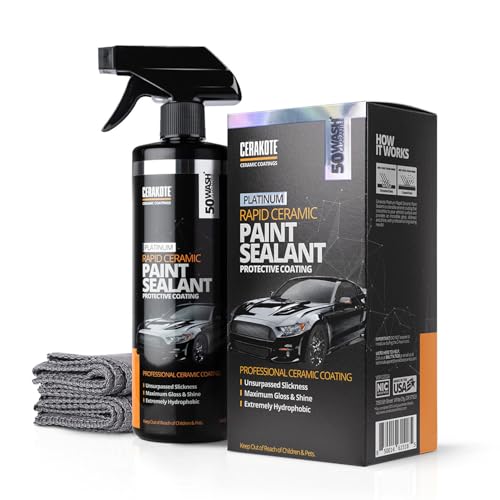
Many owners pair these products with the right supplies. For a wax routine, look at a basic microfiber towel set and a clay bar kit, such as the View on Amazon for a traditional wax option. For a ceramic coating, you’ll need a paint decontamination kit, an application pad, and a coating suited to your skill level. A product like the View on Amazon is one example of a consumer-level coating that many owners apply at home.
If you’re unsure which product fits your car and driving habits, our guide on Car Wax vs Paint Sealant vs Ceramic Coating covers the middle ground in more detail. Before any coating, read the manufacturer’s preparation steps closely, since the results depend heavily on the prep.
FAQ
Can I apply ceramic coating over existing wax?
No. Wax residue will prevent the coating from bonding properly. Strip the old wax with a dedicated panel prep or polish first, then apply the coating to clean paint.
Does ceramic coating make car paint scratch-proof?
No. Coatings add hardness and make light marks less likely, but they don’t stop deep scratches or rock chips. Careful washing and a gentle drying method remain important.
How often should I wax a car that has a ceramic coating?
Generally you don’t need to. Many coating manufacturers recommend against layering wax on top, since it can interfere with the coating’s hydrophobic properties. Use a pH-neutral shampoo and, if the manufacturer offers one, a coating booster or topper.
Is carnauba wax better than synthetic wax?
It depends on your priorities. Carnauba gives a warm, deep glow but lasts less time. Synthetic sealants last longer and offer a sharper shine. Many owners layer the two for a balance of looks and durability.
Should I have a professional apply a ceramic coating?
For newer cars, cars with heavy paint defects, or owners who are uncomfortable with a timed application, a professional installation is a reasonable choice. Ask about paint correction, warranty terms, and how the coating will be maintained. If you’re unsure about the prep work or product selection, consulting a qualified detailer is a sensible step.
Conclusion
Car wax and ceramic coating each have a clear place. Wax is the approachable, hands-on choice that rewards regular attention and suits enthusiasts and owners who like a warm finish. Ceramic coating delivers stronger, longer-lasting protection and easier cleaning, but it asks more of you before application and requires careful prep. Match the product to how you use your car, how much time you want to spend detailing, and how long you plan to keep it, and the right choice usually becomes obvious.
Related reading
- Nano Wax for Car vs Carnauba Wax: Which Is Better for Your Paint?
- Cordless vs 12V Plug-In Car Vacuums: Which Is Better?
- Cordless vs 12V Corded vs Shop Vacuums for Cars
- Car Seat Covers: Universal vs Custom Fit, Materials and Side Airbags
About Lauren Holland
Lauren Holland is part of our editorial team and reviews and edits our car care & garage supplies guides, checking product details against manufacturer specifications and owner feedback.