If you live in an apartment, face water restrictions, or just want a quicker wash, rinseless and waterless car washes let you clean your vehicle without a hose. These methods use special solutions and microfiber towels to lift and trap dirt so you can wipe it away safely. They work best on light dust and road film but are not suitable for heavy mud, thick salt, or sand. This guide covers when to choose each approach, what supplies you need, and how to wash panel by panel without scratching the paint.
When to Use Rinseless or Waterless Washing
Both rinseless and waterless washes are designed for cars that are only lightly soiled. If your vehicle has caked-on mud, large amounts of road salt, or gritty sand, you need a traditional hose wash or a trip to a self-serve bay. Otherwise, you risk dragging abrasive particles across the paint.
Rinseless wash is a concentrate you mix with water in a bucket. You apply it with a plush microfiber towel or a dedicated rinseless wash sponge, then dry immediately. It is ideal for routine maintenance washes on cars with a good protective coating like wax or sealant.
Waterless wash comes as a spray. You mist a panel and wipe with a clean microfiber towel. It is best for very light dust, pollen, or bird droppings that have not dried hard. Because it provides less lubrication than a rinseless wash, you must use more towels and work gently.
Before you start, check your local apartment or street parking rules. Some municipalities or property managers restrict washing vehicles in parking lots to prevent runoff into storm drains. Following those rules keeps you in compliance and avoids fines.
What You Need
Gather these supplies before you begin. Do not substitute terry cloth towels, old rags, or bath towels — they can cause swirl marks.
- Rinseless wash concentrate — a polymer-based formula that encapsulates dirt.
- Waterless spray — a ready-to-use lubricating cleaner.
- Plush microfiber towels — at least six to eight for a mid-size sedan. Use high-GSM (grams per square meter) towels, typically 300 GSM or higher, with a short nap that does not snag.
- Two buckets (for rinseless method) — one for the wash solution, one for clean water to rinse your towel or sponge.
- Grit guard inserts — these sit in the bottom of the bucket to trap dirt so you do not pick it back up.
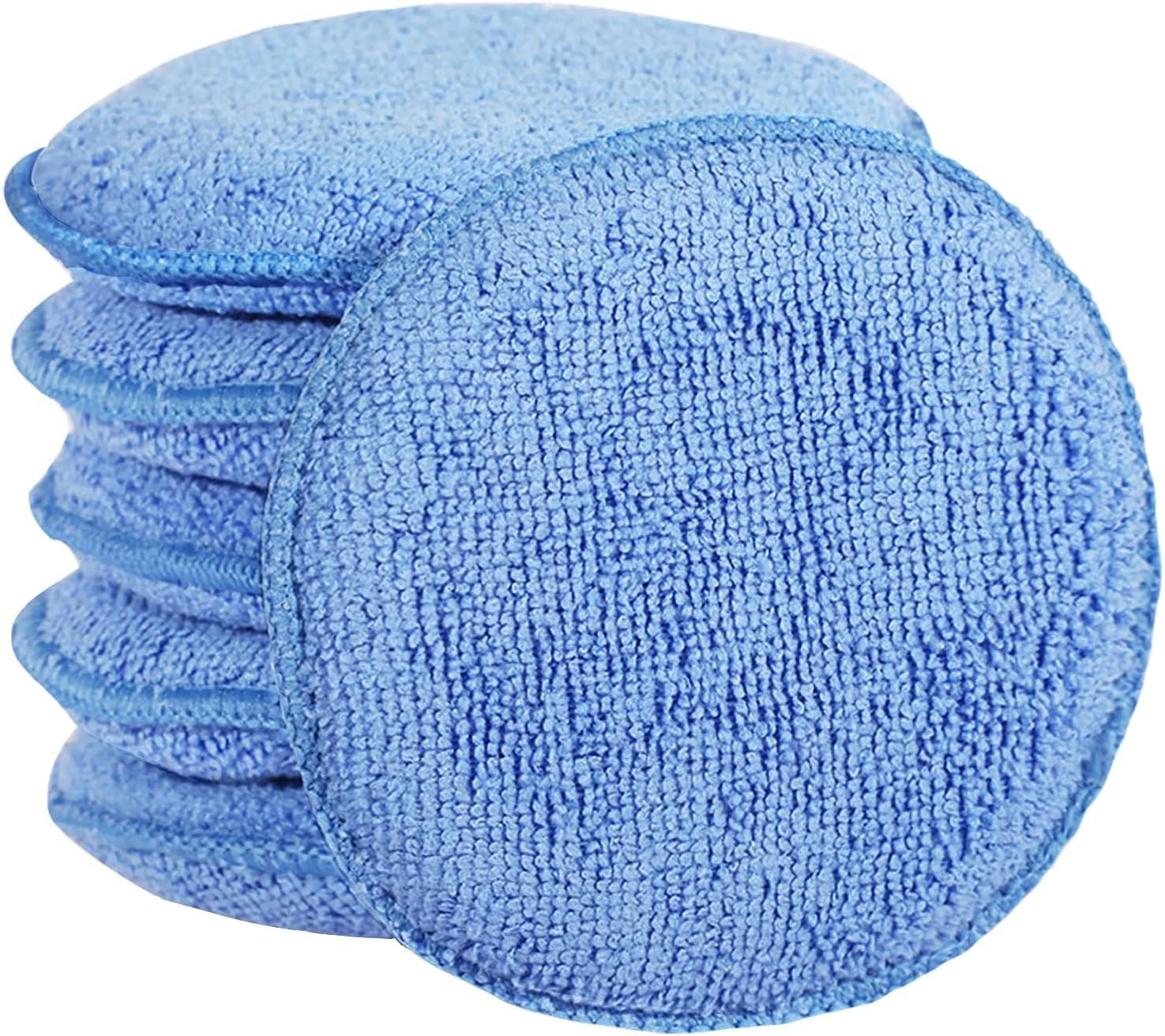
- Rinseless wash sponge — a large, dense sponge with deep pockets designed for rinseless washing.
- Spray bottle for pre-soak — optional but helpful for stubborn spots.
- Clean drying towels — waffle-weave or twisted-loop microfiber for streak-free drying.
Step-by-Step Instructions
Pre-Wash Preparation
Park in the shade or work when the paint is cool to the touch. Direct sun causes the wash solution to dry before you can wipe it off, leaving streaks. If you are using the rinseless method, fill your wash bucket with the recommended amount of water per the product instructions and add the correct amount of concentrate. Fill the rinse bucket with plain water. Insert grit guards into both buckets.
For the waterless method, have your spray bottle ready and a stack of folded microfiber towels nearby. Fold each towel into quarters so you have eight clean faces. Once a face becomes dirty, flip to a clean side.
Rinseless Wash Method
1. Pre-soak heavy areas. If your car has caked-on bug residue or bird droppings, spray a small amount of the rinseless solution directly on those spots and let it dwell for about 30 seconds. This softens the debris so you can lift it more easily.
2. Dip and clean your tool. Submerge your sponge or one of your plush towels in the wash bucket. Wipe the sponge across the grit guard to dislodge any loose particles. Alternatively, if using a towel, wring it out so it is damp but not dripping.
3. Wash from the top down. Start on the roof, then work your way to the hood, trunk lid, and side panels. Clean one panel at a time. Use straight, light passes. Do not use circular motions, especially on a dirty panel, because that can grind grit into the paint.
4. Dry the panel immediately. After washing one section, take a clean, dry microfiber towel and blot or lightly wipe the area dry. Do not let the rinseless solution air-dry — it can leave residue. Flip and fold your drying towel to keep a clean surface against the paint.
5. Rinse your tool after each panel. Swish the sponge or towel in the clean water bucket to release dirt, then squeeze it out. Dip it back into the wash bucket. Replace the wash bucket water when it becomes visibly dirty or after washing about half the car.
6. Finish with a drying towel. Once the entire car is washed and dried, do a final pass with a fresh, dry microfiber towel to catch any missed streaks.
Waterless Wash Method
1. Spray one panel at a time. Hold the spray bottle a few inches from the paint and mist a section about the size of a car door. Do not oversaturate — you want a light, even layer.
2. Fold your towel and wipe. Use a clean microfiber towel folded into quarters. Start with a gentle, straight pass. Turn the towel to a fresh face as soon as it picks up dirt. Never wipe a dirty towel back across the paint.
3. Buff to a shine. After you have lifted the dirt, use a dry section of the towel or a separate clean towel to lightly buff the area dry. The surface should look streak-free and glossy.
4. Move to the next panel. Repeat for every section of the car. Use a fresh towel when the current one becomes dirty on all faces. For a full-sized sedan, you may need 5 to 8 towels. Do not be tempted to overspray the vehicle all at once — if the solution dries on the paint, it can leave stains.
Comparison: Traditional, Rinseless, and Waterless Washing
| Factor | Traditional Hose Wash | Rinseless Wash | Waterless Wash |
|---|---|---|---|
| Water needed | High (gallons) | Low (a few gallons) | None |
| Best for removing | Heavy mud, salt, sand | Light dirt, road film, pollen | Very light dust, bird droppings |
| Lubrication level | High (water + soap) | Medium-high | Low-medium |
| Scratch risk | Low, if done correctly | Moderate, requires careful technique | Higher, needs plenty of clean towels |
| Time required | Longer (setup + rinse) | Moderate | Shorter, but more towels |
| Where you can do it | Driveway with hose hookup | Apartment lot, garage, street | Anywhere with shade |
| Wax or sealant impact | Minimal (if pH-balanced soap) | Usually gentle, may strip weak wax | Can be stripping, check label |
Choose the method that matches your car’s condition and your environment. For most routine maintenance, a rinseless wash offers the best balance of safety and convenience. Waterless washes are best reserved for quick spot cleaning between full washes.
Common Mistakes
- Using too few towels. Rubbing a dirty towel across the paint is the fastest way to create fine scratches. Use a fresh face or a new towel for each section.
- Washing in direct sun. The solution dries before you can wipe it, leaving spots and streaks. Always work in shade or on a cool surface.
- Applying pressure. Let the chemistry do the work. Heavy pressure grinds dirt into the clear coat. Use a light touch, and if a spot will not come off easily, spray it again and let it dwell.
- Skipping the pre-soak for heavy dirt. Trying to wipe off dried-on bugs or tree sap without softening them first increases scratch risk. Pre-soak those areas for at least 30 seconds.
- Forgetting the wheels. Rinseless and waterless washes are for paint only. Clean wheels separately with a dedicated wheel cleaner and a different set of towels to avoid transferring brake dust to the body.
Troubleshooting
Streaks remain after drying
This usually happens when you use too much solution or the towel is too wet. Use a clean, dry towel for a final buffing pass. If streaks persist, the car’s paint may lack protection. Consider applying a spray wax or sealant after washing.
Water spots appear after a rinseless wash
Hard water in your tap can leave mineral spots even with a rinseless product. Use distilled water for mixing the solution. Alternatively, dry each panel immediately and do not allow the solution to evaporate.
The towel snags or leaves lint
Cheap microfiber towels can shed fibers. Use high-quality, edgeless microfiber towels with a high pile density. Wash new towels before first use to remove manufacturing residues.
I see new swirl marks after washing
You likely did not use enough lubrication or you pressed too hard. Switch to the rinseless method rather than waterless, and always wash from the top down. Swirls that are already there need polishing to remove; our guide on how to clay bar a car covers the decontamination step that comes before polishing.
FAQ
Can I use a rinseless wash on a ceramic-coated car?
Generally yes. Most rinseless washes are compatible with ceramic coatings; check the coating maker’s care instructions. In fact, the extra slickness of a coating makes the process even easier. Just make sure the product you choose is pH-neutral and safe for coatings.
How do I dry the car without water spots after a rinseless wash?
Dry each panel immediately after washing it. Use a plush microfiber drying towel or a waffle-weave towel. For extra insurance, follow our guide on how to dry a car without water spots or swirl marks.
Is it safe to wash a car with a waterless spray if it has a clear bra or vinyl wrap?
Most waterless washes are safe for clear paint protection film and vinyl wraps, but you should test on a small, inconspicuous area first. Avoid products with high solvent content or abrasives. Follow the manufacturer’s instructions for both the wash product and the wrap or film.
What if my apartment complex bans car washing?
Look for a self-serve car wash bay nearby, or consider using a rinseless wash inside your garage if you have one, as long as no runoff leaves your space. Some apartment managers allow spot cleaning with a spray bottle and microfiber towel because it produces minimal water. Always ask first or check your lease.
Washing a car without a hose is entirely possible with the right technique and supplies. Stick to rinseless or waterless methods only for light dirt, use plenty of clean microfiber towels, and work in the shade. For heavier grime, use a traditional hose wash or take the car to a professional touchless bay. If you need more supplies or advice on car care and detailing, browse our guides on car wash equipment and car interior cleaning tools to keep your vehicle looking its best.