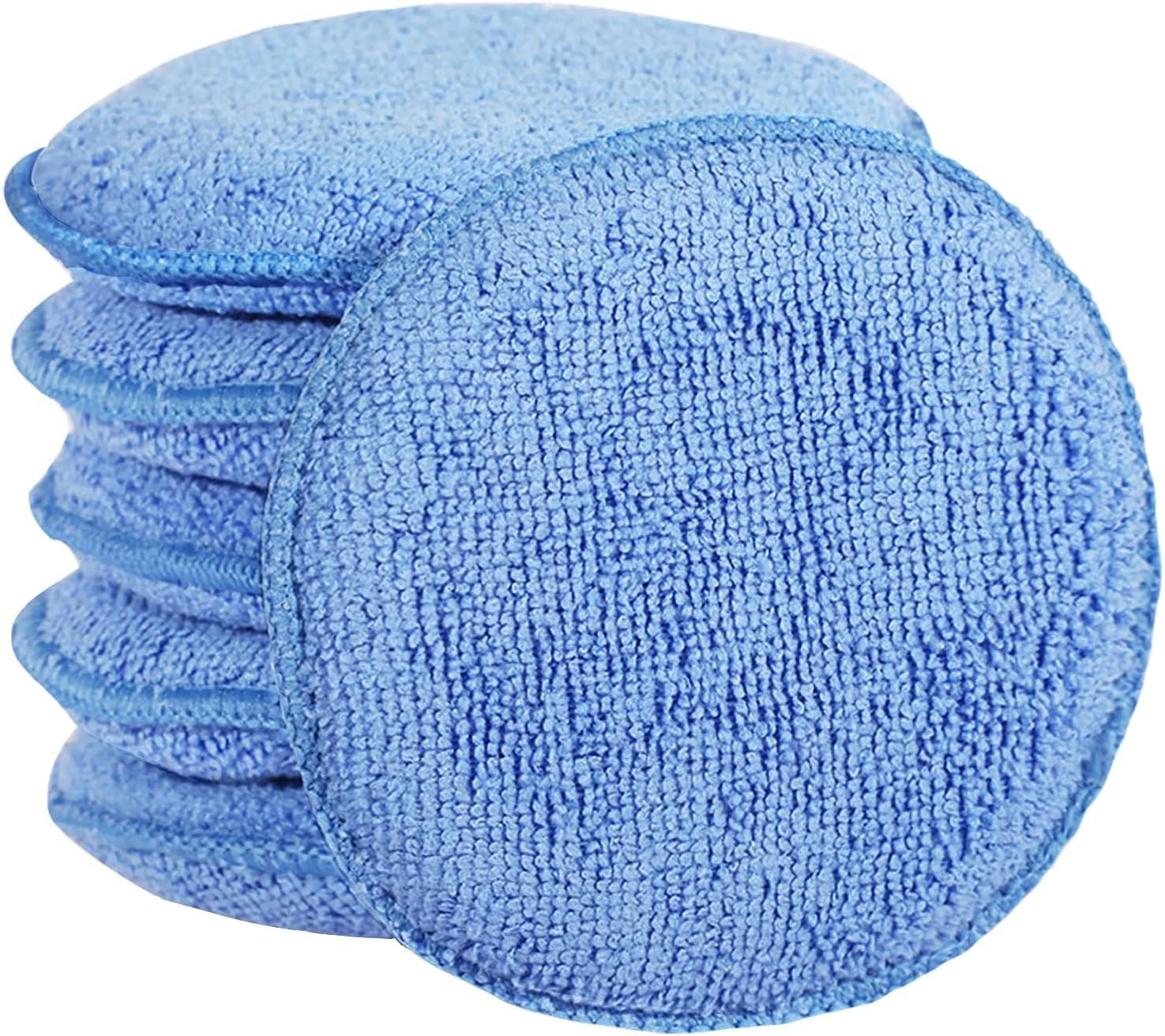
Microfiber towels are a cornerstone of any car care kit, but they are surprisingly easy to ruin with improper washing. A towel that becomes scratchy, loaded with lint, or clogged with wax can damage your car’s paint instead of protecting it. This guide covers exactly how to wash microfiber towels without ruining them, from sorting by job to drying correctly, so you get the most out of your investment.
Why Microfiber Towels Need Special Care
Microfiber is made from a blend of polyester and polyamide (nylon). The fibers are split during manufacturing, creating microscopic hooks and a static charge. This structure allows them to trap dirt, oil, and water deep within the fabric. Fabric softeners, dryer sheets, and high heat melt or clog these split fibers, ruining their effectiveness. Harsh chemicals like bleach break down the material itself. Understanding this helps explain why the washing rules are so strict. Treating your towels correctly is a fundamental part of a thorough car care routine.
Sort Your Towels by Job
One of the most important habits is keeping your towels organized by their intended use. This prevents cross-contamination (using a wheel towel on paint) and helps you retire towels at the right time. Understanding the different types of microfiber towels available can help you choose the right one for each task. Many detailers use a color-coding system to keep track.
- Paint and Final Finish: Use high-pile, ultra-soft towels. These should never touch wheels, bug guts, or heavy dirt. They are for applying wax, sealant, or final buffing.
- Glass and Mirrors: Lint-free, medium-pile towels or specific glass microfiber cloths. Using a dedicated glass towel prevents wax or oil smears.
- Wheels, Tires, and Grime: Low-pile or old, retired towels. These will get stained and embedded with grit. Never use them on paint.
- Wax and Sealant Removal: Specific weave towels (often diamond or waffle weave) are designed to buff off dried product without scratching.
- Interior and Drying: Medium-pile towels for dashboards and door jambs. A separate set for drying your car after washing.
- Retirement Plan: When a paint towel loses its softness or gets a snag, demote it to glass or interior. When those get rough, demote them to wheels or grime. When they are falling apart, they are trash. This system ensures you are always using the right tool for the job.
Step-by-Step Washing Instructions
1. Pre-Treat and Shake Out
Before washing, shake the towels outside to remove loose dirt and debris. For heavily soiled towels (wax, polish, heavy grime), rinse them with warm water to remove the bulk of the product. Never let wax-heavy towels sit wet in a pile for long, as this can cause mildew and set the wax. A quick pre-rinse goes a long way.
2. Choose the Right Detergent
This is critical. Avoid any detergent labeled as containing fabric softener, dyes, or perfumes. These additives coat the microfiber fibers and destroy their ability to absorb and trap dirt.
- Best choice: A liquid “Free & Clear” detergent.
- Avoid: Powdered detergents (they can leave residue that feels like grit).
- Never use: Fabric softener, bleach, or any product with optical brighteners.
- For heavy wax buildup, a small amount of a gentle degreaser or a specialized microfiber detergent can be used, but always follow the product instructions.
3. Wash with Warm Water
Warm water is the sweet spot. It is hot enough to break down oils and waxes but not so hot that it melts the synthetic fibers or sets stains. Hot water can cause the polyamide core to shrink or deform. Cold water may not effectively remove wax and oil.
4. Select the Correct Cycle
Wash microfiber towels separately from cotton items (like t-shirts or jeans). Cotton sheds lint, which microfiber towels are designed to grab. You will end up with lint all over your towels.
- Machine setting: Gentle or Delicate cycle.
- Load size: Do not overload the machine. Towels need room to agitate and release dirt.
- Extra rinse: An extra rinse cycle helps ensure all detergent residue is flushed out. Detergent residue can cause streaking on glass and paint.
5. Dry on Low Heat or Air Dry
Heat is the number one killer of microfiber.
- Air drying: Hang towels on a clothesline or drying rack. This is the safest method and prevents any heat damage.
- Machine drying: Use the lowest heat setting possible (Air Fluff, No Heat, or Low Heat). Never use a high heat setting. Check the towels immediately after the cycle ends to prevent heat buildup.
- Do not use dryer sheets or fabric softener sheets in the dryer. They coat the fibers just like liquid softener.
How to Remove Wax and Polish Buildup
Over time, towels used for applying or removing wax and sealant can become stiff and clogged.
- Soaking Method: Fill a bucket or sink with hot water and add a small amount of a grease-cutting dish soap or a dedicated microfiber cleaner. Let the towels soak to break down the wax.
- Washing: After soaking, wash the towels on a hot water cycle (check the towel manufacturer’s instructions first) with a Free & Clear detergent. The heat helps melt the wax so it can be flushed away.
- Inspection: After drying, check the towel. If it still feels stiff or waxy, repeat the process. Sometimes a towel is simply too far gone and needs to be retired to a dirtier job or thrown away.
Common Mistakes to Avoid
| Mistake | Consequence | How to Avoid |
|---|---|---|
| Using fabric softener | Clogs fibers, repels water | Use Free & Clear detergent |
| Washing with cotton | Transfers lint to towels | Wash towels separately |
| Using bleach | Destroys fiber structure | Use oxygen bleach or nothing |
| High heat drying | Melts fibers permanently | Air dry or use low heat |
| Overloading the washer | Poor dirt and soap removal | Wash in smaller loads |
Mistake 1: Using Fabric Softener. This is the most common reason microfiber towels stop working. The waxy coating fills the split fibers, making them repel water and dirt instead of attracting it.
Mistake 2: Washing with Cotton. Lint from cotton towels, t-shirts, or jeans will stick to the microfiber. You will then wipe this lint onto your car’s paint.
Mistake 3: Using Bleach. Bleach chemically attacks the polyamide core of the microfiber, causing it to break down and lose its structure.
Mistake 4: High Heat Drying. High heat literally melts the tips of the microfiber fibers, turning a soft towel into a hard, scratchy rag that can damage clear coat.
Mistake 5: Overloading the Washer. Towels need friction and water flow to release dirt. A packed washer just swirls dirty water around the towels.
Troubleshooting
My towels are leaving streaks on glass. This is usually caused by detergent residue or fabric softener buildup. Wash the towels with a Free & Clear detergent and use an extra rinse cycle. For tips on keeping your paint spot-free after drying, see our guide on how to remove water spots from car paint and glass.
My towels feel rough and scratchy. This is likely heat damage or a coating of wax/polish. If it is wax, try the soaking method. If it is heat damage, the fibers are permanently melted and the towel should be retired.
My towels are not absorbing water. This is a classic sign of fabric softener contamination. You can try to strip the towels by washing them in hot water with a small amount of dish soap (no softeners) or a specialized stripping detergent. If that fails, the towel is ruined.
Can I wash different types of microfiber towels together? Yes, as long as they are sorted by dirt level. Wash heavily soiled wheel towels separately from clean paint towels. If you are cleaning your car without a hose, using clean, well-maintained towels is even more critical. Check out our guide on how to wash a car without a hose for more detail.
FAQ
Can I wash microfiber towels with other clothes?
It is not recommended. Washing them with cotton items causes lint transfer. Washing them with synthetics (like polyester workout clothes) can be okay if no fabric softener is used, but it is safest to wash microfiber towels in a dedicated load.
What detergent is safe for microfiber?
Look for a liquid detergent that is labeled “Free & Clear” or “Free of Dyes and Perfumes.” Avoid any detergent that mentions fabric softening, stain guard, or odor protection, as these often contain oils or waxes that clog the fibers.
How do I fix a towel that won’t absorb?
First, identify the cause. If it is fabric softener buildup, wash the towels in hot water with a small amount of dish soap. If the fibers are heat damaged, the towel cannot be fixed and should be demoted to a dirtier task or discarded.
When should I throw away a microfiber towel?
When it starts snagging easily, leaving lint on surfaces, or feels rough to the touch. Once a towel is demoted from paint to wheels to shop rags, it eventually needs to be thrown away when it is no longer effective for any task.
Taking a few extra minutes to wash your microfiber towels correctly will save you money and protect your car’s finish. By sorting towels by job, avoiding fabric softener, using the right detergent, and keeping heat low, your towels will stay soft and absorbent for many washes. Proper care of your detailing tools is just as important as the technique you use.