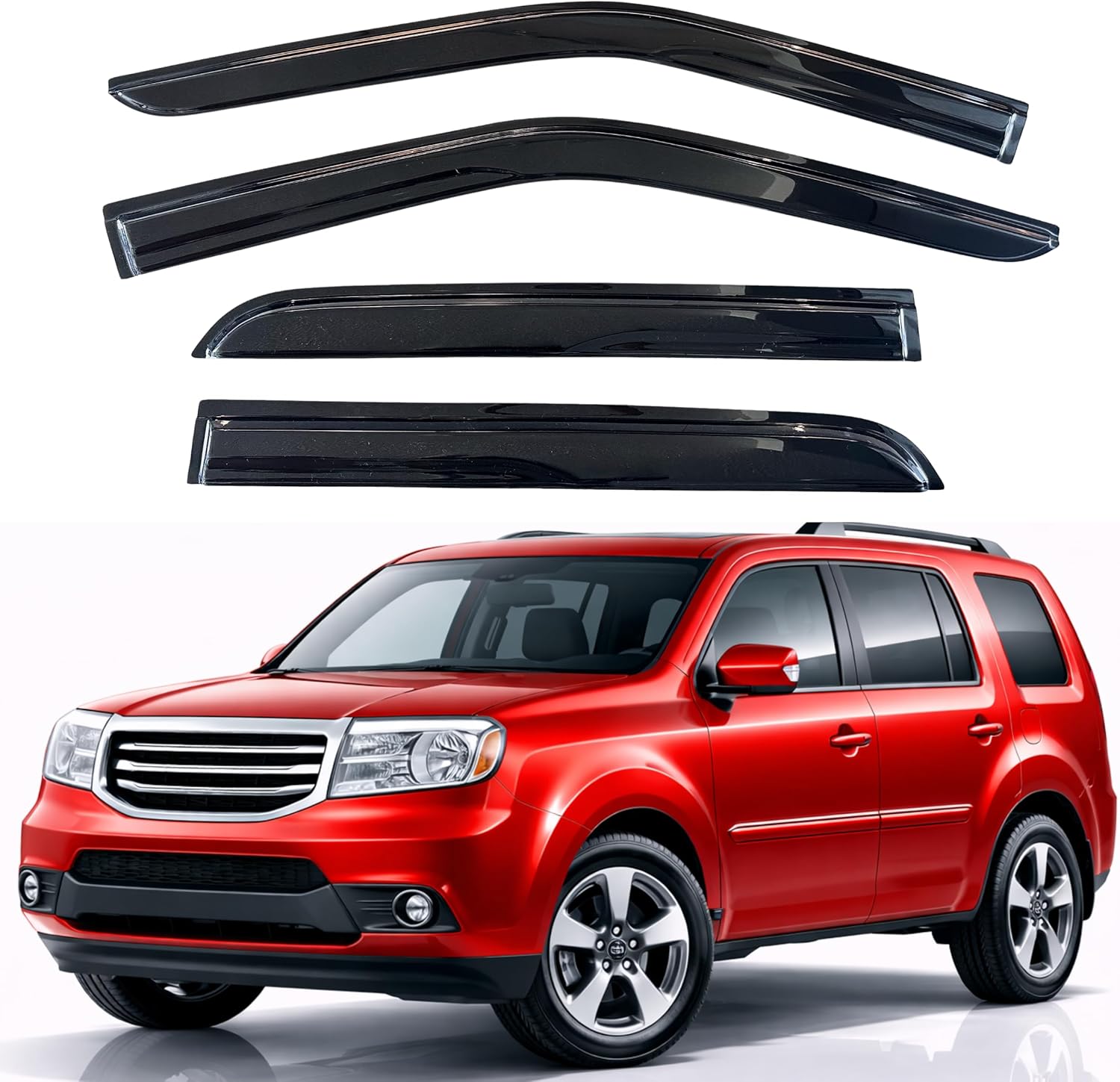
Window rain guards, also called vent visors or window deflectors, let you crack the windows open in wet weather without soaking the interior. They mount either inside the window channel or on the outside of the door frame. This guide covers the differences between the two styles, installation tips, wind noise, cleaning, and window sock and sun shade options for passengers.
What window rain guards and vent visors do
Rain guards create a small gap at the top of the window so air can flow through the cabin while rain runs down the roof and over the guard. They are useful when you park outdoors in warm weather, when you want to keep the interior from heating up, or when you want to reduce the wind buffeting that happens when a window is barely open at highway speed.
They also help keep snow from dropping into the car when you crack a window in winter, and they can cut glare from rain or snow on the side glass. Drivers who camp in their vehicle, carry pets, or simply prefer fresh air on short trips often find them worthwhile. If you are shopping for window accessories, rain guards are one of the most popular exterior add-ons because they require no drilling and do not change the look of the car dramatically.
In-channel versus stick-on rain guards
Rain guards come in two basic styles. In-channel guards slide into the vertical channel that the window travels in. Stick-on guards, also called tape-on or overlay guards, attach to the painted door frame just outside the window opening with automotive-grade double-sided tape.
In-channel guards sit flush with the window glass and look more integrated. Because they are tucked inside the channel, they are less likely to be caught by a car wash brush. The trade-off is that they reduce the space inside the channel, which can interfere with the window’s auto-up pinch sensor on many newer vehicles.
Stick-on guards are easier to install because you do not have to work inside the window channel. They are also easier to remove if you change your mind. The downsides are that they sit proud of the body, can add more wind noise, and can be dislodged by high-pressure spray or aggressive car wash brushes if the tape fails.
| Feature | In-channel | Stick-on |
|---|---|---|
| Attachment | Slides into the window channel | Tape on the exterior door frame |
| Look | Flush with the glass | Sits outside the body line |
| Installation | Requires channel access | Surface prep and tape pressure |
| Auto-up pinch sensor | Can interfere | Usually no interference |
| Wind noise | Usually quieter | Can be noisier at speed |
| Car wash risk | Lower | Higher with brush washes |
Auto-up pinch sensors and in-channel guards
Many vehicles have windows that automatically reverse direction when they detect resistance while closing. This is a safety feature designed to prevent pinching fingers or pets. An in-channel rain guard takes up space in the window channel, and on some vehicles that extra material makes the window think it has hit an obstruction. The window may stop partway, reverse, or refuse to close.
Before buying an in-channel guard, check the product listing for compatibility with your vehicle and read the manufacturer’s notes about pinch sensors. Some manufacturers include a window reset procedure that lets the window relearn its travel limits. If your window does not close fully after installation, do not force it. Follow the owner’s manual and the guard manufacturer’s instructions. If the problem continues, the guard may not be compatible with your vehicle.
Installation tips
Installation is a DIY job, but the details matter. For stick-on guards, start by washing the door frame and then wiping the mounting area with rubbing alcohol or the cleaner supplied in the kit. The surface must be free of wax, grease, and dirt or the tape will not hold.
Dry-fit the guard before peeling any tape backing. Check that it follows the curve of the door and that it does not cover the mirror adjustment switch or the window control. When you are satisfied, apply the adhesive promoter if one is included, peel the backing, and press the guard into place. Hold firm, even pressure across the whole guard for the time the manufacturer recommends. Keep the windows closed and avoid a car wash during the cure period.
For in-channel guards, slide the guard into the window channel from the top and align any clips or brackets. Roll the window up and down slowly to confirm the glass clears the guard. If it binds, adjust the position before you finish. Check the manufacturer’s instructions for any specific steps for your vehicle.
Wind noise and how to manage it
Any rain guard can add wind noise, especially at highway speed. Stick-on guards tend to be noisier because they sit outside the body and disturb the airflow. In-channel guards are usually quieter, but a guard that is not seated fully can whistle or buzz.
To keep noise low, make sure the guard is pressed firmly into its tape bed or fully seated in the channel. Check that the front edge of the guard does not stick out. If a stick-on guard is noisy, you can sometimes reduce the noise by adding a small piece of tape to the leading edge, but the cleaner fix is to remove the guard and reinstall it with fresh tape. If noise bothers you, look for a guard with a slim profile and a tight fit for your specific vehicle.
Cleaning and car washes
Rain guards need the same gentle care as the rest of the exterior. Hand washing with mild automotive soap and a soft sponge is the safest approach. Avoid high-pressure spray aimed directly at the tape edge of a stick-on guard, because water can work its way under the tape and weaken the bond.
For in-channel guards, be careful when cleaning the window seal and the channel. A soft brush can help remove debris, but do not pry the guard out or force the window closed if it sticks. Avoid abrasive pads and solvent-based cleaners, which can damage the plastic or the tape.
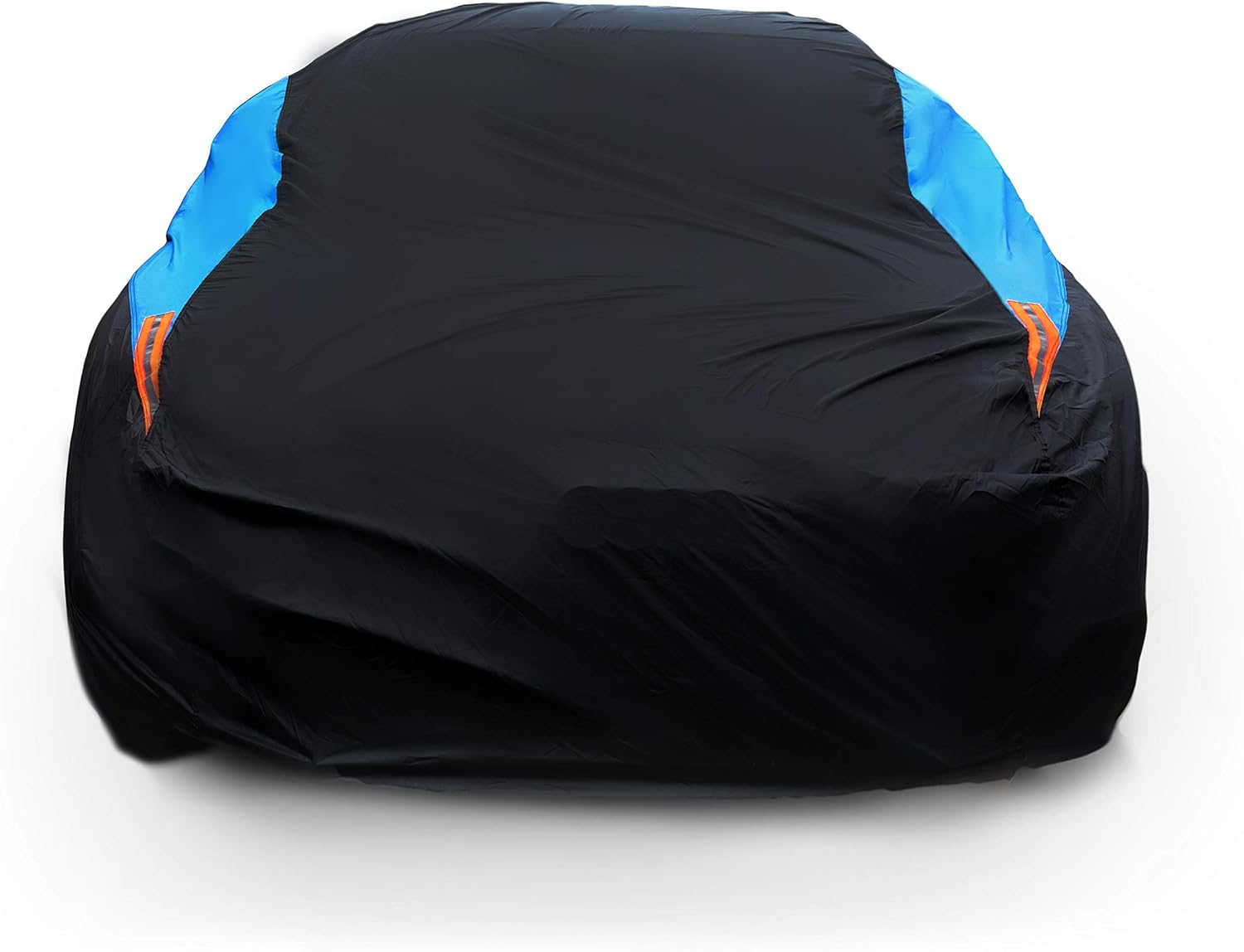
Automatic car washes with spinning brushes can catch the edge of a stick-on guard and pull it loose. Touchless washes are safer. If a guard does come loose, remove it completely, clean the old tape off the door, and reattach it with new automotive-grade tape. If you park outdoors for long stretches, a car cover can protect the guards and the paint, but make sure the cover fits snugly so it does not flap against the tape edges.
Window socks and sun shades for rear passengers
Rain guards help with ventilation, but they do not block the sun. For rear passengers, window socks and sun shades are the common add-ons. Window socks are mesh covers that slip over the outside of a window. They block direct sun and keep insects out while still letting air flow through the mesh. They are popular for children and pets because they allow a window to stay open without the risk of a limb reaching out.
Sun shades for rear windows come in several styles. Static-cling shades press against the glass and are easy to move. Suction-cup shades are more rigid and can be repositioned. Roll-up shades attach with hooks or clips and can be stored when not in use. All of them reduce heat and glare, and many block a large portion of UV rays.
Rear window shades are generally less regulated than front window shades, but you should still confirm your state’s rules. Some states restrict how much of the rear side windows can be covered, and some require the driver to have a clear view to the rear. If you are looking at other exterior accessories, keep in mind that anything you add to the windows should not block the driver’s view or interfere with airbag deployment.
Front window tint and shade laws
Front windows are a different story. Tint on the front side windows and any shade applied to the windshield are regulated by state law. Many states limit how dark the front side window tint can be, and some allow only a narrow tint strip across the top of the windshield. Add-on shades that cover the front side windows or the windshield are often restricted or banned while the vehicle is in motion.
Before adding anything to the front windows, check your state’s rules. This includes rain guards, which should never block the driver’s view or cover the area where a side airbag deploys. The same caution applies to window socks and sun shades: use them on rear windows, and confirm that any front-window product is legal in your state.
Common buying mistakes
One of the most common mistakes is buying a universal or one-size-fits-all guard instead of a vehicle-specific fit. A guard that does not match the door curve will leave gaps, look wrong, and make more noise. Always confirm that the guard is listed for your vehicle’s year and body style.
Another mistake is ignoring the auto-up pinch sensor issue with in-channel guards. Read the product notes before you buy. Also think about how you wash your car. If you use a brush-style automatic wash regularly, a stick-on guard may not be the best choice.
Some buyers do not realize that a stick-on guard can cover the mirror adjustment switch or make the window control harder to reach. Check the mounting location before you commit. Finally, do not skip surface prep. A guard installed on a dirty or waxed surface will not stay attached, and removing it later means cleaning up tape residue.
FAQ
Do rain guards really keep rain out?
Yes, when the window is only cracked partway. The guard sits above the opening and deflects rain that runs down the roof. If the window is rolled down most of the way, a rain guard cannot keep heavy rain out.
Can I install rain guards myself?
Yes. Stick-on guards are the easiest because they only require surface prep and pressure. In-channel guards take a little more care to align, but both are DIY-friendly. Follow the manufacturer’s instructions and check the fit before finalizing.
Will rain guards affect my car’s auto-up windows?
In-channel guards can interfere with the auto-up pinch sensor on some vehicles. Check compatibility before buying, and if the window stops or reverses after installation, follow the owner’s manual and the guard manufacturer’s reset procedure. Do not force the window.
Are window socks better than sun shades for rear passengers?
It depends on your goal. Window socks allow airflow and keep insects out, so they are good for pets and kids who want fresh air. Sun shades block heat and glare more effectively but do not allow the same airflow. Many drivers use both, depending on the situation.
Window rain guards, vent visors, window socks, and sun shades all serve the same basic purpose: making the cabin more comfortable without sacrificing visibility or safety. Choose a guard style that fits your vehicle and your washing habits, follow the installation instructions, and check your state’s rules before adding anything to the front windows.