Choosing between a floor jack and a scissor jack comes down to where you work, what you are lifting, and how much space you have. A scissor jack is the compact mechanical lifter that many vehicles carry for roadside tire changes. A hydraulic floor jack is the larger, steadier garage tool for raising a vehicle for routine maintenance. Here is how the two compare and when each one is the better tool.
The short answer
Use the scissor jack for an emergency tire change on the roadside, because it is compact, requires no separate power source, and is matched to the vehicle that came with it. Use a floor jack in the garage when you need a wider lift range, greater stability, and easier positioning under low-slung vehicles. Keep in mind that both types are lifting devices only. Never support a vehicle with a jack alone; always place jack stands rated for the load on firm, level ground before going underneath.
How each option works
Scissor jack
A scissor jack uses a threaded screw and linked arms that fold and unfold like scissors. Turning the screw, usually with the lug wrench or a dedicated handle, raises or lowers the lift pad. Because the design is mechanical rather than hydraulic, it works without fluid, hoses, or a power connection, which makes it a dependable roadside companion. The trade-off is that lifting a vehicle with a scissor jack takes more turns and effort than a hydraulic pump, and the narrow base means careful positioning is essential.
Most passenger cars and light trucks include a scissor jack in the spare-tire kit, so the jack points and lifting procedure are covered in the owner’s manual. The factory-supplied scissor jack is engineered for the vehicle it ships with, which is a good reason to follow the manual’s instructions and never assume another jack’s lift pad fits your car’s designated jack points.
Floor jack
A floor jack uses a hydraulic cylinder to push the lifting arm upward. A few strokes of the pump handle raise the vehicle quickly, and the release valve controls the descent. Floor jacks roll on casters, so you can position them under the vehicle’s jack points without lifting the jack into place. Their wider frames and lower profiles make them a common sight in home garages and shops.
Floor jacks come in many sizes, from compact models for sports cars to tall models for trucks and SUVs. The right one for you depends on the vehicle’s ride height, the jack’s minimum and maximum lift range, and the rated capacity. Check the manufacturer’s spec sheet and the vehicle owner’s manual to confirm the jack can reach the front and rear jack points and lift the vehicle high enough for the work you plan to do.
Bottle jack
A bottle jack is a hydraulic lifter shaped like a vertical cylinder with a saddle on top. It is more portable than a floor jack but less stable, because the load rests on a small saddle and a narrow base. Bottle jacks are useful for trucks, trailers, and farm equipment where the jack points are high and accessible, but they are not the best choice for the low pinch welds common on modern cars. If you use one, position it squarely under a manufacturer-approved lifting point and follow the same jack-stand rules.
Side-by-side comparison
| Factor | Scissor jack | Floor jack |
|---|---|---|
| Primary purpose | Roadside tire changes | Garage repairs and maintenance |
| Lifting mechanism | Mechanical screw | Hydraulic piston |
| Power source | Your own effort with a handle | Hydraulic pressure from pumping |
| Lift range | Limited but matched to the vehicle it came with | Wider range; compare minimum and maximum height |
| Stability | Narrow base; requires level ground | Wider footprint; more stable, still requires level ground |
| Low-profile access | Some models sit low; depends on the vehicle kit | Low-profile versions exist for sports cars |
| Rated capacity | Sized for the vehicle it ships with | Varies by model; match it to your vehicle |
| Storage | Fits in the spare-tire well or trunk | Takes up floor space in the garage |
Before you buy or use any jack, check the load rating printed on the label. The rated capacity must be higher than the weight of the axle end you are lifting, not necessarily the whole vehicle. Select a jack with enough margin for the heaviest vehicle you plan to work on, and treat the vehicle owner’s manual as the final authority. Never lift a vehicle that exceeds the jack’s stated capacity.
When a scissor jack is the better choice
Choose a scissor jack for an emergency flat tire on the shoulder of a road. The jack is already in the vehicle, it takes up almost no space, and it does not depend on hydraulic fluid that could leak or behave poorly in cold weather. If the vehicle is level and the ground is firm, a scissor jack will lift the corner high enough to remove the wheel and mount the spare. Before you stop, check your state’s rules about hazard lights, flares, and staying a safe distance from traffic.
Scissor jacks are also a sensible choice for occasional lifting in a garage where floor space is tight. Because the stock jack is matched to the vehicle, there is little guesswork about fit. Keep the handle and lug wrench with the jack, and make sure the jack is in good working order before stowing it for a long trip.
One caution: do not use a scissor jack to hold the vehicle while you work underneath. A scissor jack is a tire-changing tool, not a support device. It can tip, slip, or settle. Protect yourself with jack stands, no matter which jack raised the vehicle.
When a floor jack is the better choice
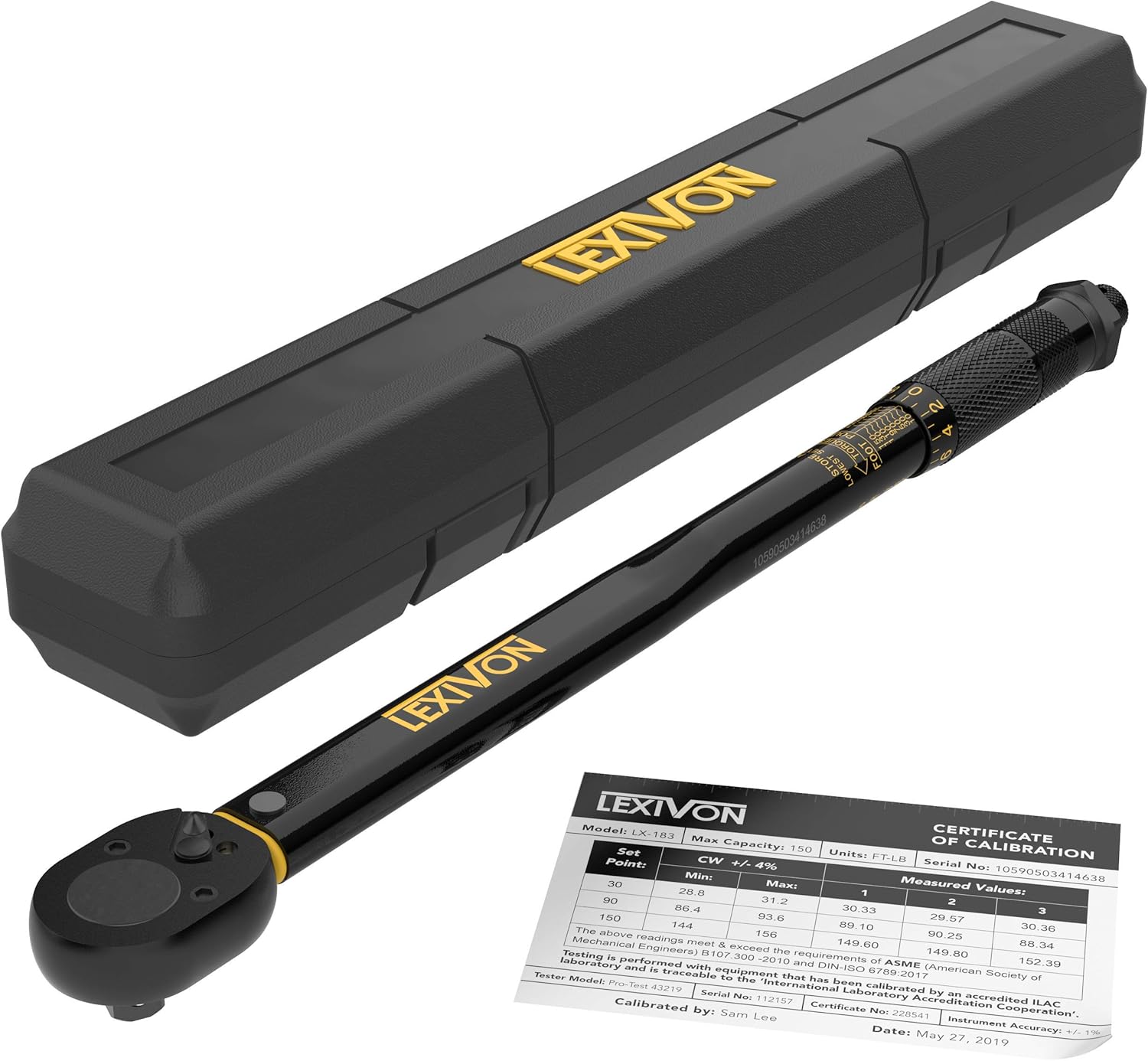
Choose a floor jack for brake work, oil changes, suspension repairs, and any task that requires both wheels on one end to be off the ground. The hydraulic action lifts faster than a screw mechanism, and the wide frame gives a more stable platform as the vehicle rises and lowers. For wheel work, learn how to use a torque wrench on lug nuts so the wheels go back on with the correct tightness.
A floor jack is also easier to use on smooth garage floors, because the casters let you roll it into position under the car. If your vehicle sits low, look for a low-profile model with a low minimum height that still reaches the jack point. If you drive a lifted truck or SUV, make sure the jack’s maximum height can get the tires clear of the ground. Compare the spec sheet to the manufacturer’s recommended lift points before you commit to a particular model.
For garage work, pair the floor jack with jack stands rated for the vehicle, and lower the vehicle onto the stands before you crawl underneath. If you are choosing a new tightening tool, a torque wrench for lug nuts is worth keeping in the toolbox.
Lift range, low-profile needs, and rated capacity
Lift range matters more than people expect. A scissor jack from a compact car may not lift a crossover or truck high enough to clear a thicker tire, and a floor jack with too high a minimum height will not slide under a lowered car. Before choosing, note the vehicle’s jack points: front frame rail, rear axle, or a designated lift point. Then compare the jack’s minimum and maximum lifting heights with the vehicle’s clearance and the height you need to reach.
Rated capacity is another key difference. The scissor jack that came with the car is sized for that car. A floor jack you buy for the garage should be rated well above the heaviest end of your heaviest vehicle. If you are unsure, follow the label on the jack and the instructions in the vehicle owner’s manual. Never stack a jack on top of blocks or another jack to gain height; doing that reduces stability and can cause the jack to slip.
Low-profile needs apply mainly to floor jacks and sports cars with little clearance under the front bumper. If the jack cannot fit under the pinch weld, you may need to drive onto ramps first or use a low-profile model. Factory scissor jacks fit under the vehicle they were designed for, but aftermarket lowering springs can change that. Measure before you assume.
How to lift any vehicle safely
Whichever jack you use, the procedure is the same. Park on firm, level ground. Set the parking brake and put the transmission in park, or in first gear for a manual. Chock the wheels on the opposite end of the vehicle from the one you are lifting. Place the jack under the factory jack point marked in the owner’s manual. Raise the vehicle until the wheel leaves the ground or the work position is reached, then place jack stands rated for the load under the vehicle’s support points and lower the jack until the vehicle rests fully on the stands.
Never get under a vehicle supported only by a jack. Never run an engine in an enclosed space. If the ground is soft or sloped, find a safer location or wait until conditions improve. A jack is a lifting tool, not a safety device, and following the manufacturer’s instructions for both the jack and the vehicle keeps the job safe.
Upkeep and long-term ownership
Scissor jacks need little maintenance because they are mostly metal and a screw thread. Keep the screw clean and lightly lubricated, and check that the handle fits and turns freely. Inspect the jack for rust or bent arms before a long trip. If the jack came with the vehicle, return it to its storage spot with the handle and lug wrench, and make sure it is secured so it does not rattle or shift.
Floor jacks need more attention because they contain hydraulic fluid. Check the fluid level according to the manufacturer’s instructions, purge air from the system if the jack feels spongy, and keep the ram clean. Store a floor jack with the ram lowered, not under pressure. If the jack loses height while parked or will not hold a vehicle after repeated pumping, do not use it. Have it serviced or replace it, and never use a jack with leaking fluid.
Jack stands, ramps, and other lifting equipment belong in the same conversation. For a fuller look at lifting gear, browse jacks, jack stands, and ramps. If you are outfitting a home shop, the garage and car tools section covers the other basics you will want.
FAQ
Can I use a scissor jack instead of a floor jack?
You can use a scissor jack in an emergency to change a tire on firm, level ground, and the factory kit is matched to your car. For brake work or oil changes that require supporting the vehicle safely, a scissor jack is less stable and has a narrower lift range. Use jack stands under the vehicle either way.
How much weight can these jacks lift?
The rated capacity is printed on the jack label, and you should always follow it. A scissor jack from a passenger car is rated for the axle end of that car. A replacement floor jack should have a rating above the heaviest portion of the vehicle you plan to lift, with a comfortable margin. Check the vehicle owner’s manual if you are unsure.
Do I need jack stands even with a floor jack?
Yes. A floor jack holds the vehicle while you raise it, but hydraulic seals can fail, and a sudden drop is dangerous. Set the parking brake, chock the wheels, and lower the vehicle onto jack stands before you work underneath.
Will a scissor jack work on a lowered car?
Some factory scissor jacks sit low enough for a modestly lowered car, but aftermarket lowering can put the lift point out of reach. Compare the jack’s minimum height with the vehicle’s clearance. If the jack will not fit, use a low-profile floor jack or raise the car with ramps first, then support it with jack stands.
Both jacks have a place in car care. The scissor jack earns its keep on the roadside, while the floor jack makes garage work quicker and safer. Whatever you choose, read the labels, follow the owner’s manual, and never trust a single jack to hold a vehicle above you.