Checking your car’s fluids regularly is one of the most straightforward maintenance tasks you can do at home. It helps you spot leaks, contamination, or low levels before they cause costly damage. This guide covers the fluids you can safely inspect yourself—engine oil, coolant, brake fluid, power steering fluid (where fitted), windshield washer fluid, and transmission fluid (only if your owner’s manual says it is user-checkable). You will learn what to look for, what color changes may mean, and when it is time to see a mechanic.
What You Need
Before you start, gather a few basic items. A clean rag or paper towel is essential for wiping dipsticks and caps. A flashlight helps you see into reservoirs and around the engine bay. Wear disposable gloves to keep your hands clean and avoid contact with potentially harmful fluids. Your vehicle owner’s manual is the most important tool—it tells you where each reservoir or dipstick is located, what fluid type is required, and whether the transmission fluid can be checked at home. A small funnel is useful for topping off fluids without spilling. If you plan to add any fluid, make sure you have the correct type specified in your manual.
Step-by-Step Instructions
1. Engine Oil
Park your car on a level surface and turn off the engine. Wait a few minutes for the oil to settle back into the oil pan. Open the hood and locate the engine oil dipstick—it usually has a brightly colored handle. Pull the dipstick out, wipe it clean with a rag, reinsert it fully, then pull it out again. Read the level against the markings at the bottom. The oil should be between the “low” and “full” marks. Also check the oil’s color and consistency: clean oil is amber or light brown; dark brown or black oil is still usable but may be due for a change. If you see a milky, frothy appearance, that can indicate coolant mixing with oil—a serious issue that requires a mechanic. A gritty texture or metallic particles also warrants professional inspection.
2. Coolant (Antifreeze)
Never open the radiator cap when the engine is hot. Hot coolant is under pressure and can cause severe burns. Check the coolant level only when the engine is cold. Locate the coolant reservoir—a translucent plastic tank often marked with low and full lines. The level should be between those marks. Coolant is typically green, orange, pink, or yellow depending on the formulation. If you see rusty brown or oily fluid, or if the coolant looks cloudy, that can indicate contamination or internal issues. Low coolant may point to a leak. Topping off is fine, but use the type recommended in your owner’s manual. If you need to add frequently, have the system inspected for leaks.
3. Brake Fluid
Brake fluid is critical for safe stopping. Find the brake fluid reservoir—usually a small translucent container near the back of the engine bay, often marked with a brake symbol. The fluid should be between the minimum and maximum lines. Most brake fluid is clear to light amber when new. If it appears dark brown or black, that can mean it has absorbed moisture or is contaminated, which reduces braking performance. Any cloudiness or particles are also warning signs. Do not leave the reservoir cap off for long, as brake fluid absorbs moisture from the air. If the level is low, check for leaks around brake lines, calipers, or the master cylinder. Low brake fluid can indicate worn brake pads or a leak—have a mechanic inspect the system promptly.
4. Power Steering Fluid (If Equipped)
Not all cars have power steering fluid—some use electric power steering. If your car has a hydraulic system, locate the power steering fluid reservoir. It is often near the serpentine belt or the power steering pump. The reservoir may have a dipstick built into the cap or a sight glass with markings. Check the level with the engine off and the wheels straight. The fluid is usually clear, amber, or slightly pink when fresh. If it looks dark, burnt, or has a metallic smell, that suggests wear in the power steering pump or steering rack. Low fluid can cause noisy steering or difficulty turning. Top off with the fluid type listed in your owner’s manual. If you need to add often, a mechanic should check for leaks.
5. Windshield Washer Fluid
This is the simplest fluid to check. Locate the washer fluid reservoir—it typically has a blue or black cap with a windshield/water symbol. The reservoir is translucent so you can see the level without opening it. If it is low, fill it with washer fluid (not plain water, which can freeze or cause bacterial growth). There is no color health indicator here; just keep it topped off for clear visibility.
6. Transmission Fluid (Only If User-Checkable)
Many modern cars have sealed transmissions that do not require owner checks. Consult your owner’s manual. If the manual says you can check the transmission fluid level, follow these steps exactly as specified. Usually you must have the engine running, the transmission at operating temperature, and the vehicle on level ground. Locate the transmission dipstick (often near the back of the engine bay). With the engine idling and the parking brake set, pull the dipstick, wipe it, reinsert, and read the level. Automatic transmission fluid is typically red or pink when new. If it smells burnt or looks dark brown or black, the fluid may be degraded. A milky appearance indicates coolant contamination—get professional help. Manual transmission fluid is often checked from a fill plug on the side of the transmission; this is best left to a mechanic unless you are experienced.
Common Mistakes to Avoid
- Opening the radiator cap when hot: Always wait until the engine is completely cold to avoid burns or system damage.
- Overfilling fluids: More is not always better. Overfilled engine oil can cause foaming and damage seals. Overfilled power steering or brake fluid can spill under pressure.
- Using the wrong fluid type: Using the wrong specification of coolant, oil, or brake fluid can damage seals or reduce performance. Always check your owner’s manual.
- Checking transmission fluid incorrectly: Some transmissions must be at operating temperature, with the engine running, and shifted through gears before checking. Ignoring the procedure gives a false reading.
- Ignoring color and smell changes: Fluid that looks dark, burnt, or milky is a sign of a problem. Do not just top off—investigate or have a mechanic look.
- Forgetting to wipe the dipstick: The first pull gives a smeared reading. Always wipe and reinsert for an accurate level check.
Troubleshooting Common Fluid Issues
Low fluid levels
If you find a fluid is consistently low, there is likely a leak. Check for puddles under your car, wet spots around components, or drips. Small leaks can sometimes be monitored, but any loss of brake fluid or coolant should be addressed quickly. For oil or transmission fluid, a minor leak may not be urgent if you keep the level up, but have it checked at your next service.
Discolored or contaminated fluid
Dark engine oil is normal after some miles, but if it is black and sludgy, change it soon. Milky or frothy oil or transmission fluid indicates coolant mixing—stop driving and have the vehicle towed to a mechanic. Burnt-smelling power steering or transmission fluid means internal wear. For brake fluid, any darkness or contamination means a flush is needed.
Unusual smells or sounds
A burning odor from under the hood could be a fluid leak onto a hot exhaust manifold. Squealing power steering when turning suggests low fluid. Grinding noises from the transmission or brakes are beyond a simple fluid check—consult a mechanic.
When to See a Mechanic
You should have a professional inspect your car if:
- You see coolant mixing with oil (milky dipstick or reservoir).
- Brake fluid is dark, low, or you notice a spongy brake pedal.
- You find significant fluid leaks that you cannot locate or stop.
- Transmission or power steering fluid smells burnt or looks black.
- You are unsure about any fluid type or procedure—your owner’s manual and a trusted mechanic are your best resources.
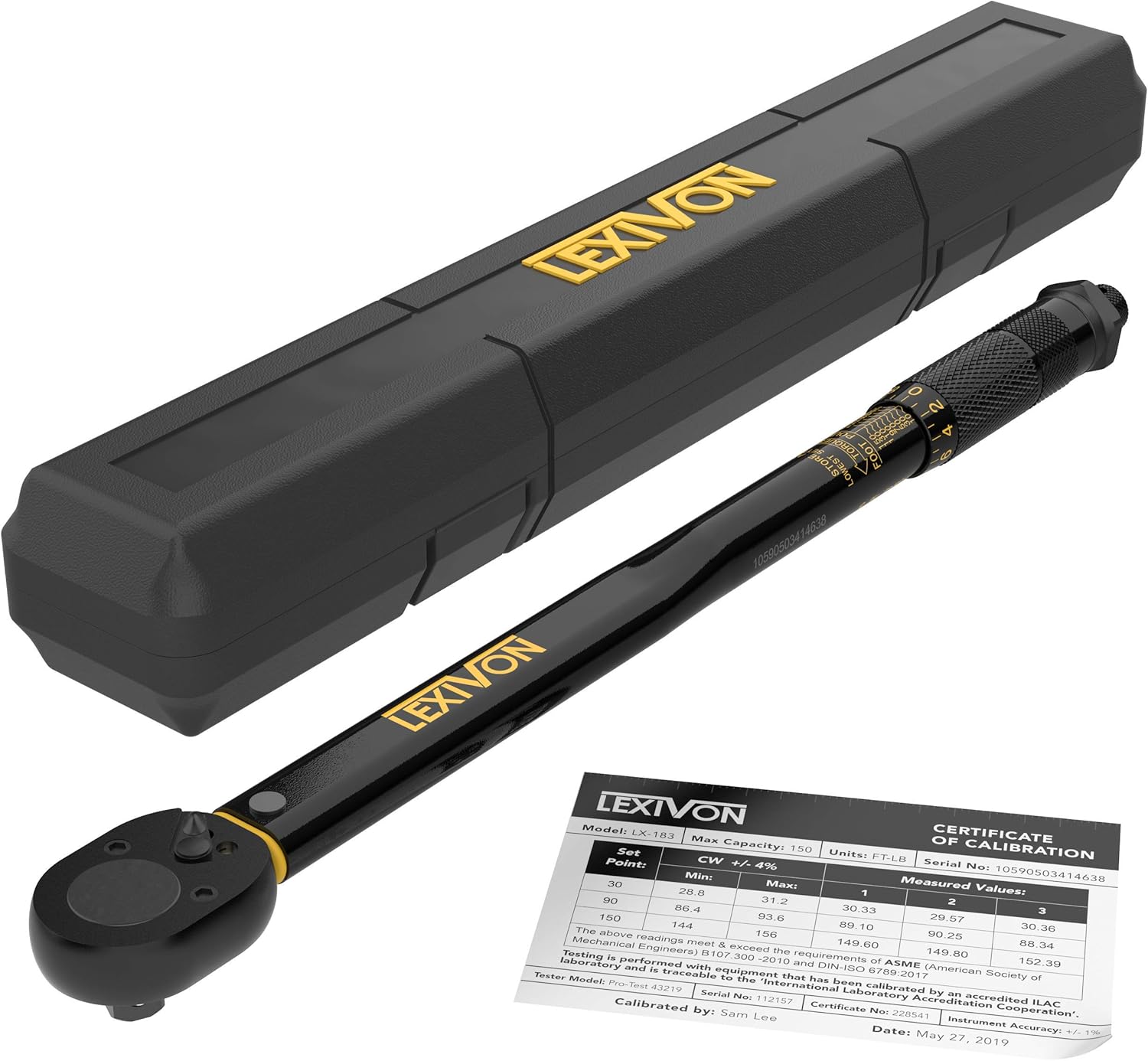
Regularly checking your car fluids at home can save you from breakdowns and expensive repairs. Pair this habit with other basic maintenance like inspecting belts and hoses, and you will keep your car running reliably. For more on the tools that make these checks easier, see our guide to automotive tool kits and garage and car tools. If you ever need to lift your vehicle for underbody checks, read about floor jack vs scissor jack safety. And after any work involving wheels, remember to use a torque wrench on lug nuts correctly.
FAQ
How often should I check my car fluids?
A good habit is to check engine oil and coolant at least once a month. Brake fluid, power steering fluid, and windshield washer fluid can be checked every other month or before a long trip. Transmission fluid should be checked as recommended in your owner’s manual—some cars have a service interval, others are sealed.
Can I use water instead of coolant?
Plain water does not provide freeze protection or corrosion inhibitors, and it can boil in hot conditions. Use the coolant type and mix your manual specifies; many coolants are sold premixed, and concentrates are commonly mixed 50/50 with distilled water. In an emergency, you can add distilled water to reach a service station, but have the coolant concentration corrected soon.
What does it mean if my brake fluid is dark?
Dark brake fluid has absorbed moisture and degraded over time. This reduces the fluid’s boiling point and can lead to brake fade or failure. You should have the brake fluid flushed and replaced by a mechanic.
Why is my transmission fluid pink when it should be red?
Automatic transmission fluid color varies by type and age, and many fluids look pink when fresh. Color alone is not a diagnosis. If the fluid looks milky or foamy, water or coolant may have entered the system and a mechanic should inspect it promptly; a burnt smell suggests overheating or wear. When in doubt, have a mechanic evaluate the fluid condition.
Mastering these simple checks takes only a few minutes and gives you valuable insight into your vehicle’s health. Keep a rag, gloves, and your owner’s manual handy, and you will be able to spot potential problems early. For more in-depth guides on vehicle maintenance, browse our collection of garage and car tools articles.